Most of us experience Ikea as a maze of showrooms and a Sunday afternoon with an Allen key. But long before any piece of furniture reaches that big blue warehouse, it lives a very different life - as a dollhouse-sized model held together with hot glue and ambition.
A fascinating report from Fast Company offers a rare look inside Ikea's prototyping lab, where designers spend years - sometimes decades - wrestling a concept into something you can actually sit on.
The ten-year chair
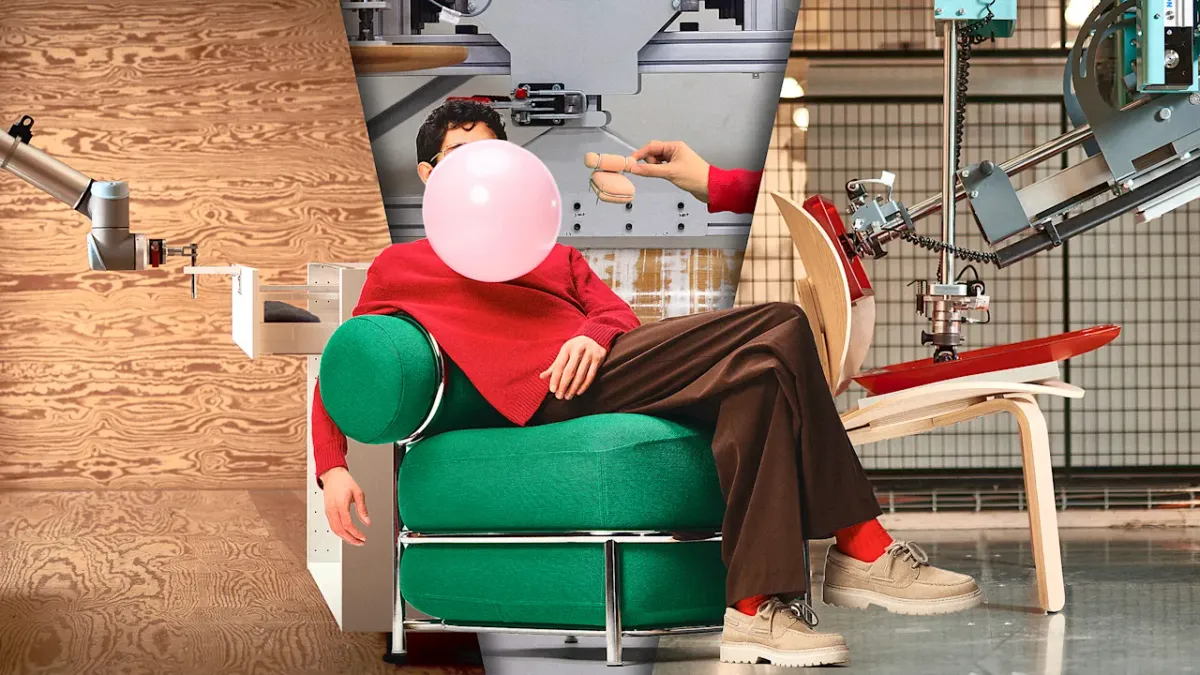
The story of designer Mikael Axelsson's easy chair is a good example of just how patient this process can be. Back in 2014, he built a tiny model from bent wire, hand-carved foam, and hot glue. The idea was elegant in theory: a metal frame wrapped in a balloon-like cushion, essentially a grown-up, design-forward reinvention of the inflatable furniture that briefly conquered living rooms in the 1990s.
Simple enough, right? Not quite. Taking that Barbie-scale prototype and translating it into a full-sized chair that actually works - structurally, aesthetically, and at the price point Ikea is known for - turned out to be a years-long challenge. The concept has followed Axelsson around ever since, a passion project that refuses to be finished.
Why prototyping matters more than you'd think
There's something genuinely refreshing about this peek behind the curtain. In an era of rapid product cycles and algorithm-driven trend forecasting, the idea that a major global brand is still doing things the old-fashioned way - carving foam by hand, building tiny physical models - feels almost radical.
Prototyping labs like Ikea's are where intuition meets physics. You can sketch an idea forever, but the moment you build it at scale, reality has opinions. Does the cushion hold its shape? Is the frame strong enough? Does it actually feel good to sit in? These are questions a render on a screen simply can't answer.
It also explains something many Ikea fans have probably noticed: the furniture that makes it to shelves usually works. Not always perfectly, but there's a functional logic to most of it that goes beyond aesthetics. That logic is baked in during the prototype stage.
The long game of good design
What makes the Axelsson story stick is the romance of it - a designer carrying a small wire chair around for over a decade because he believes in it. That kind of commitment is easy to overlook when you're assembling a Billy bookcase on a Saturday morning, but it's a reminder that the ordinary objects in our homes often have surprisingly extraordinary origin stories.
Whether that little wire chair ever makes it to a store near you remains to be seen. But knowing it's out there, still in progress, somehow makes the whole flat-pack experience feel a little more human.