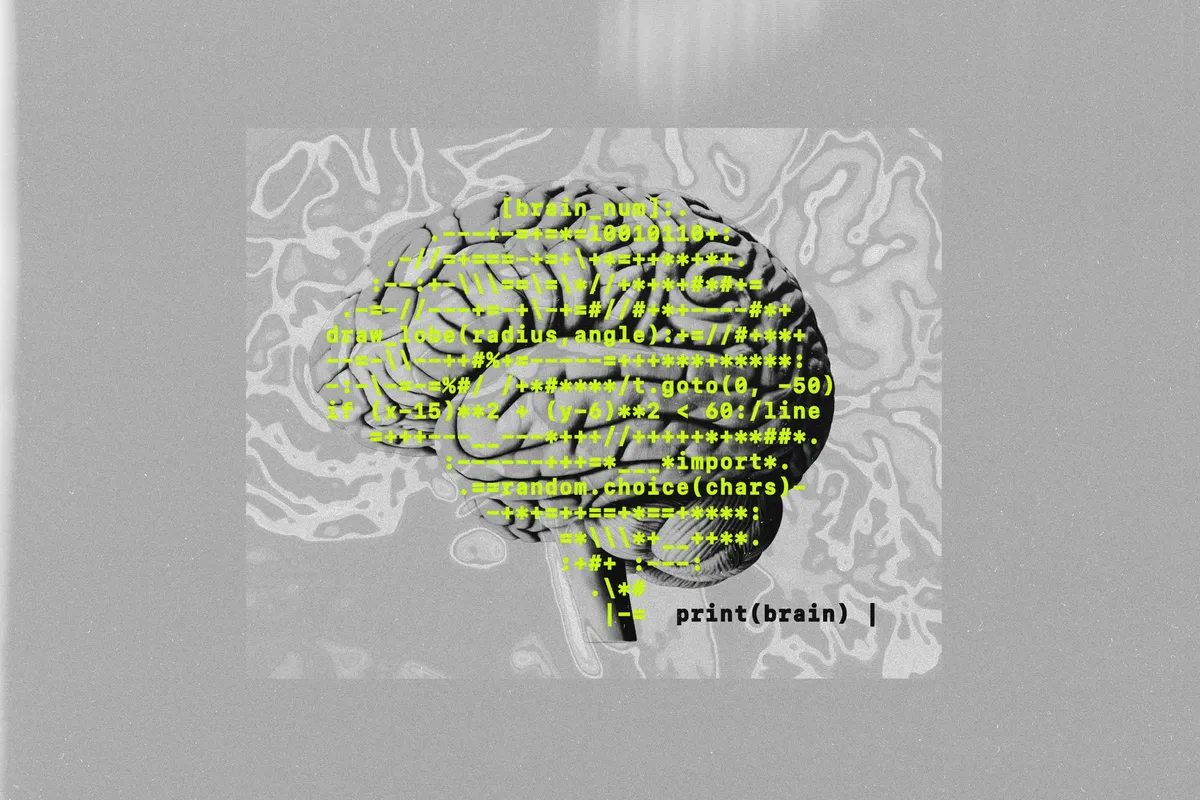
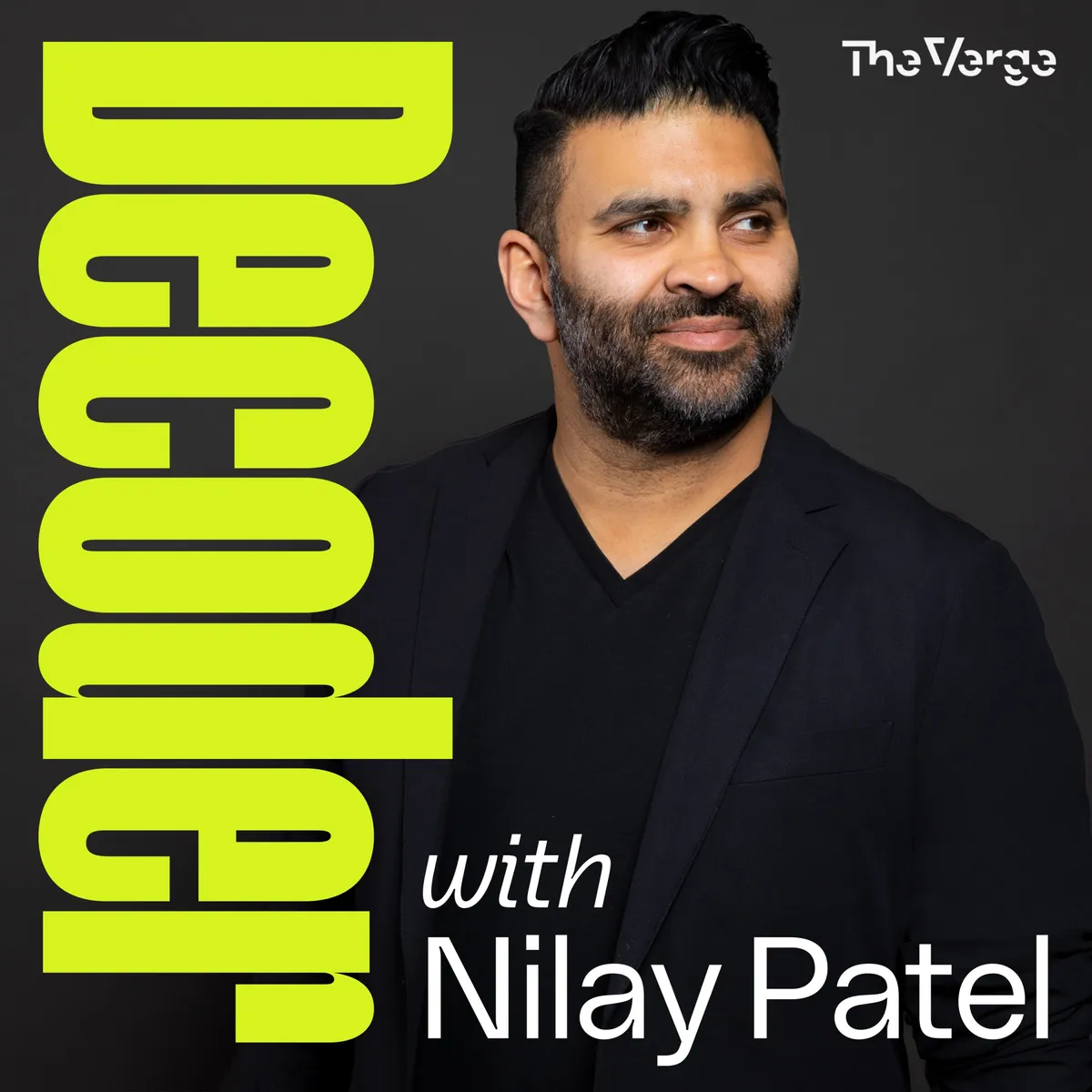
There's a phrase worth adding to your vocabulary: software brain. It's being floated on The Verge's Decoder podcast, and once you hear it, you'll start spotting it everywhere.
The idea is straightforward but cuts deep. Software brain is a particular way of seeing the world - one that fits every human problem into algorithms, databases, and loops. It's the cognitive default of the people building our technology, and it's shaped pretty much everything about how modern life runs.

Why this framing matters right now
To be fair, software brain has done genuinely extraordinary things. It helped build the internet, created global communication platforms, and gave us tools that felt like magic just a decade ago. Marc Andreessen's famous 2011 claim that software was eating the world? That was software brain at peak confidence - and it wasn't wrong.
But here's where it gets interesting. As AI dominates the conversation in 2024, there's a growing tension between the people designing these systems and the people being asked to use them. The Decoder episode argues that software brain may be creating a real blind spot - a failure to notice that most people aren't actually asking to have their lives automated.
Think about how many AI pitches start with the same promise: we'll remove the friction, we'll handle the tedious stuff, we'll make it faster. The assumption baked in is that humans mostly want to do less. But is that actually true? Or is that just what makes sense if you think in systems and efficiency gains?
The gap between builders and the rest of us
This is what makes the software brain concept genuinely useful rather than just another tech criticism. It's not saying the people building AI are malicious or even wrong - it's pointing out that a very specific worldview can become so dominant inside an industry that it stops being visible as a worldview at all. It just looks like reality.
When you're wired to see problems as inefficiencies waiting to be optimized, it's hard to imagine that someone might actually want to write their own thank-you notes, choose their own music, or muddle through a decision without a chatbot weighing in.
The backlash to AI that's quietly building in public conversation - the eye-rolls, the opt-outs, the "I'd rather just do it myself" - might be less about fear of technology and more about people sensing that the solutions on offer weren't really designed with their actual desires in mind.
Software brain explains a lot. And noticing it is the first step to asking better questions about what we actually want technology to do for us - and what we'd rather keep for ourselves.