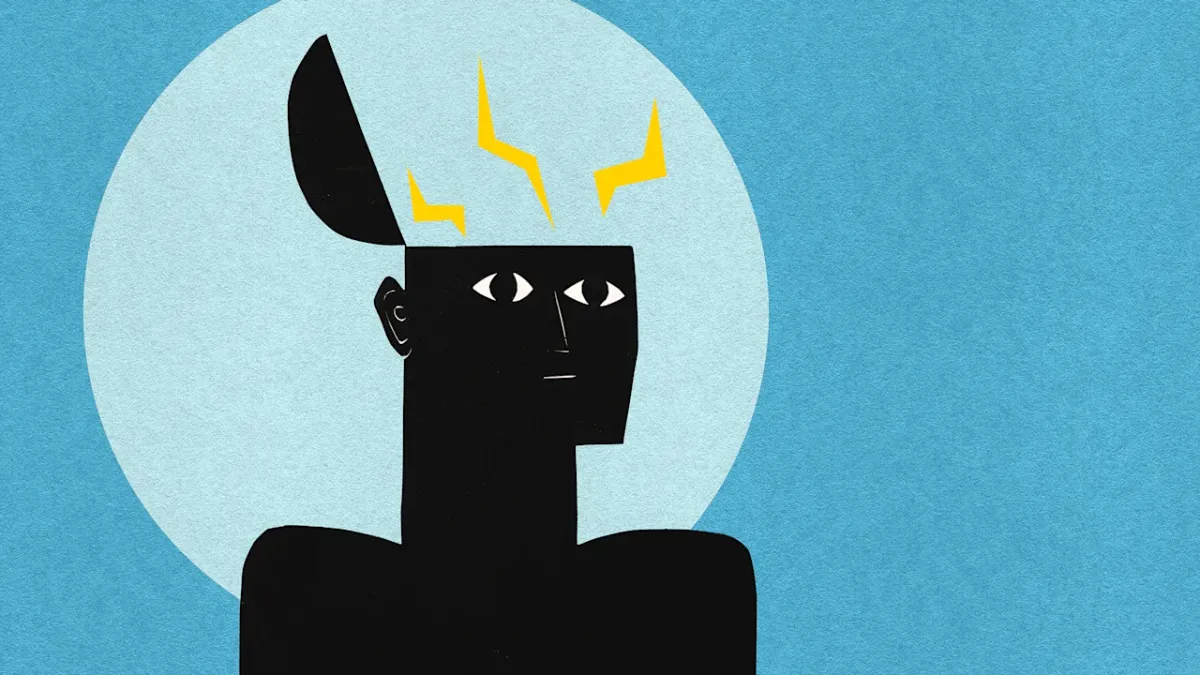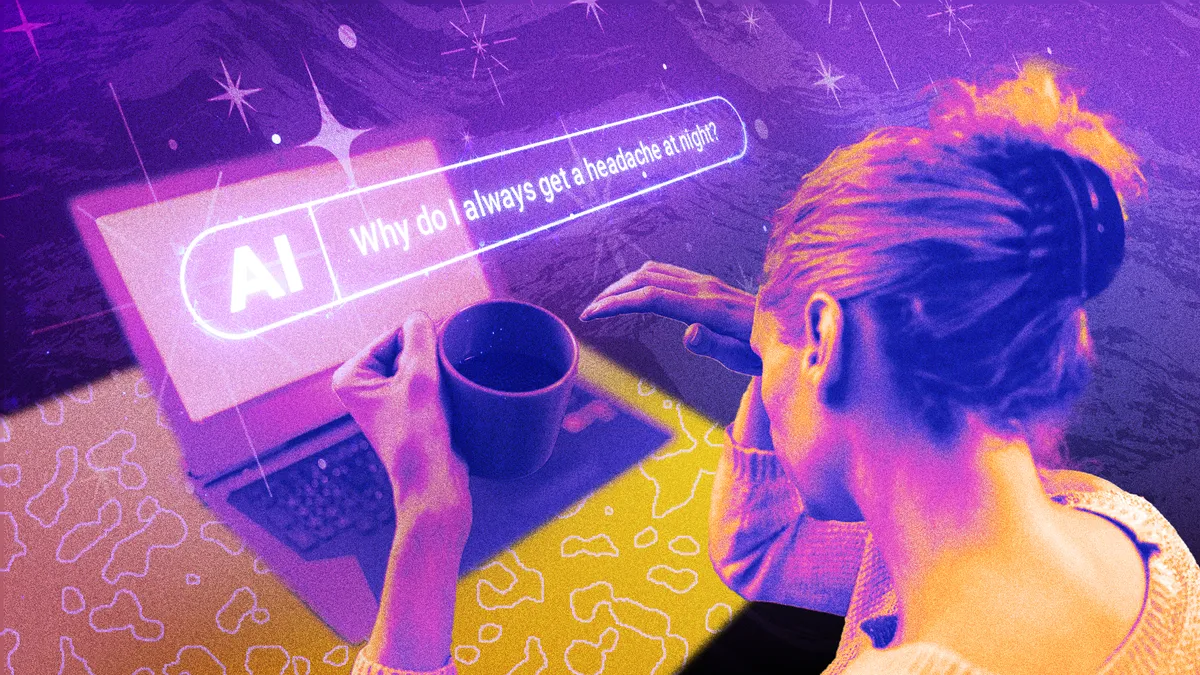
Most of us spend a lot of energy trying to eliminate uncertainty. We research, plan, optimize, and overthink - all in the hope of arriving at some solid ground where the answer is clear and the path is obvious. But what if that instinct is working against us?
That's the question at the heart of journalist Simone Stolzoff's new book, How to Not Know: The Value of Uncertainty in a World that Demands Answers, reported on by Fast Company. It's a follow-up to his widely discussed debut The Good Enough Job, which explored why we've tied so much of our identity to our careers - and what it costs us.
A writer who asks the questions we avoid
Stolzoff has built a reputation for poking at the uncomfortable corners of modern life. His work sits at the intersection of work, identity, and relationships, and has appeared in The New York Times, The Atlantic, Wired, and National Geographic. He's not interested in easy answers - which makes him a fitting guide for a book about learning to sit with questions.
The premise of his new book is timely in a way that feels almost uncomfortable. We live in a moment that rewards confidence, demands opinions, and treats hesitation as weakness. Social media rewards hot takes over nuanced thinking. Workplaces want decisive leaders. Even our personal lives - tracked, optimized, and documented - can feel like a performance of certainty.
Persistence as a practice
The core idea Stolzoff seems to be working toward is something like this: the goal isn't to resolve uncertainty as quickly as possible, but to learn how to persist through it productively. That's a genuinely different frame. It's not about being comfortable with chaos or pretending ambiguity doesn't bother you. It's about developing the capacity to keep moving anyway.
This feels especially relevant for anyone navigating big life decisions - career pivots, relationship questions, where to live, what to build. The pressure to have it figured out is real, and it often leads people to either freeze up or rush into choices just to make the discomfort stop.
Why this matters right now
There's something quietly radical about a book that argues uncertainty has value. In a culture that sells certainty as a product - through self-help frameworks, life coaches, and five-step plans - Stolzoff is suggesting the opposite approach. Maybe the willingness to not know is actually a form of intellectual honesty and even resilience.
If his first book made you rethink your relationship with your job, this one looks set to challenge something even more fundamental: your relationship with not having all the answers. And honestly? That might be exactly the reframe most of us need.