
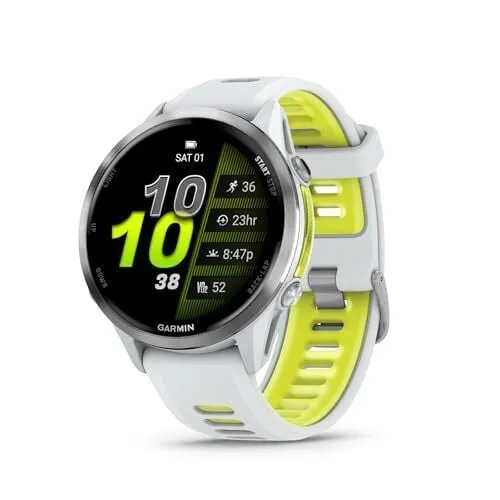
If you've ever lined up at a race start with two different finish time predictions on your phone and watch, you already know the confusion. Garmin says you'll crush it. Strava is quietly skeptical. So which one should you actually believe?
According to a comparison published by Lifehacker, the answer is neither - at least not perfectly. But the way each platform gets it wrong tells you something genuinely useful about how to plan your race day.
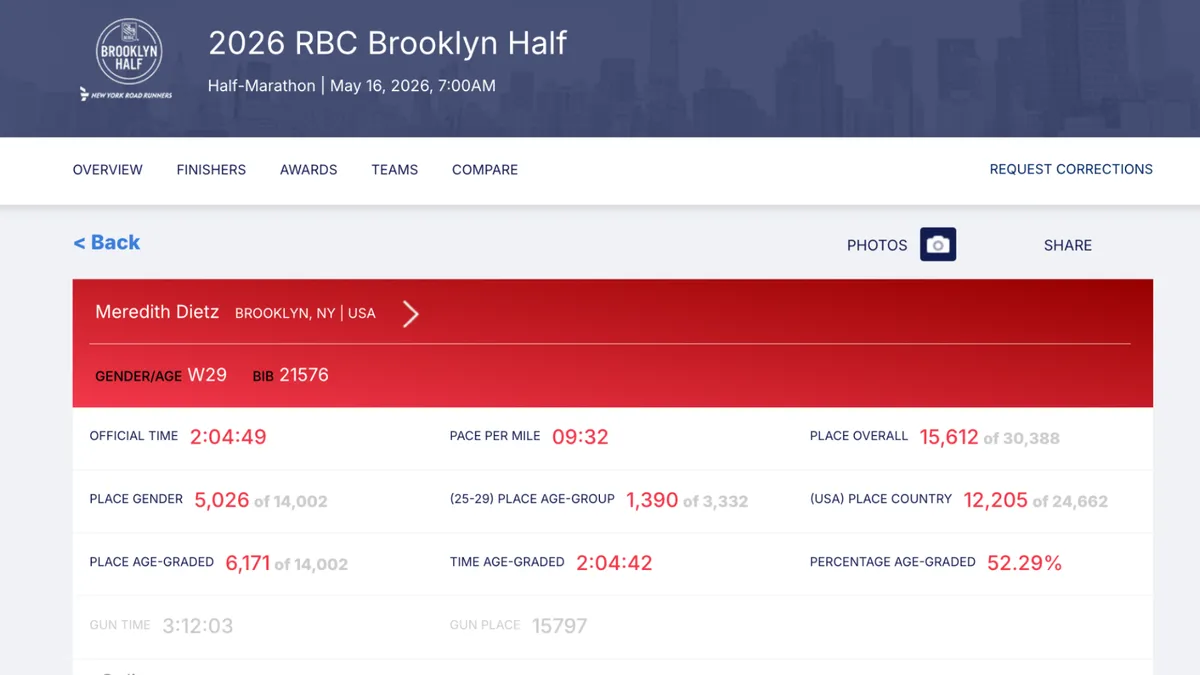
The optimist vs. the pessimist
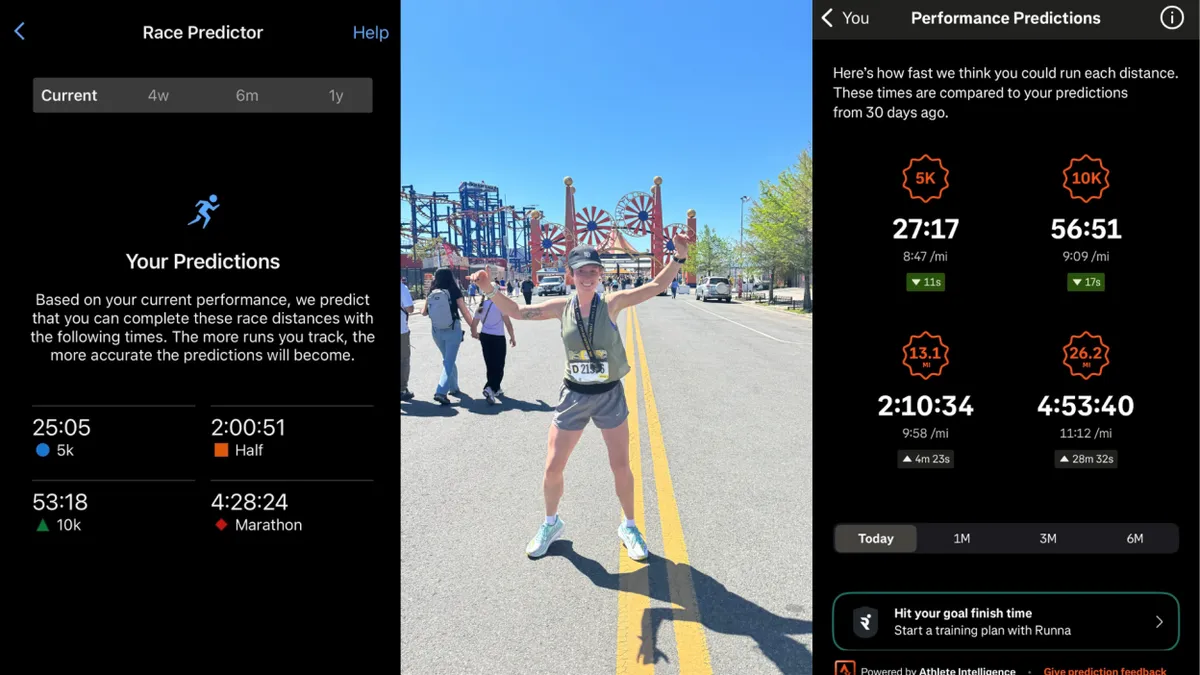
Garmin tends to skew optimistic with its predictions, which might feel great for your ego but less great when you've gone out too fast in the first mile and are suffering by mile ten. The platform's estimates are built around your recent training data and fitness metrics, but they can paint a rosier picture than reality warrants - especially if your long runs haven't quite matched the conditions you'll face on race day.
Strava, on the other hand, leans conservative. Its predictions are more likely to leave you pleasantly surprised at the finish line, but they can also undersell what you're genuinely capable of if you've been training smart and peaking at the right time.
Why the gap matters more than you'd think
This isn't just a nerdy stats conversation. Your predicted finish time directly shapes your pacing strategy, and pacing is arguably the single biggest variable between a race you're proud of and one you'd rather forget. Go out too hot chasing an optimistic Garmin target, and you risk blowing up. Anchor too conservatively to a Strava number, and you might leave serious time on the table.
The smarter play is to treat both predictions as a range rather than a verdict. If Garmin says 1:52 and Strava says 1:58 for your half marathon, your realistic target probably lives somewhere in the middle - and knowing the direction each platform tends to err in helps you calibrate accordingly.

What actually predicts your race time best
Both tools are working from training load, recent paces, and fitness trends - but neither can fully account for race-day variables like weather, course elevation, crowd energy, or how well you tapered. Your own gut feeling, combined with what your long runs at goal pace actually felt like, remains a surprisingly reliable input.
Use the apps as a starting framework, not a finish line gospel. And maybe split the difference between your optimistic Garmin and your cautious Strava - then go find out which one was closer.