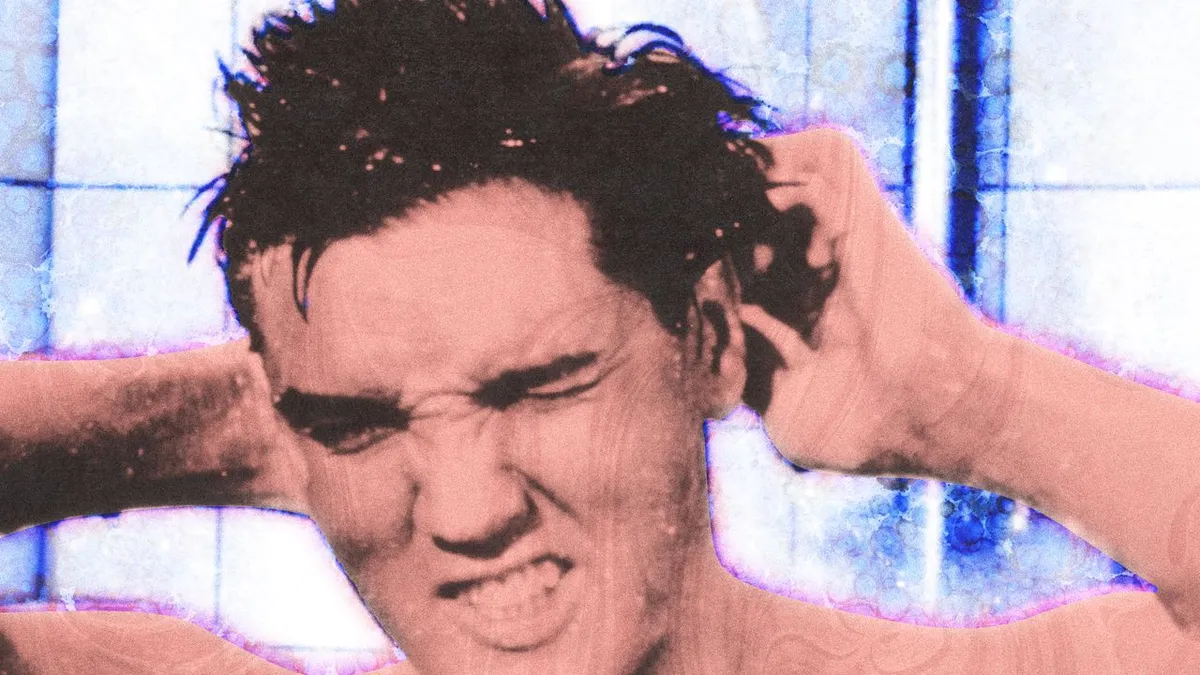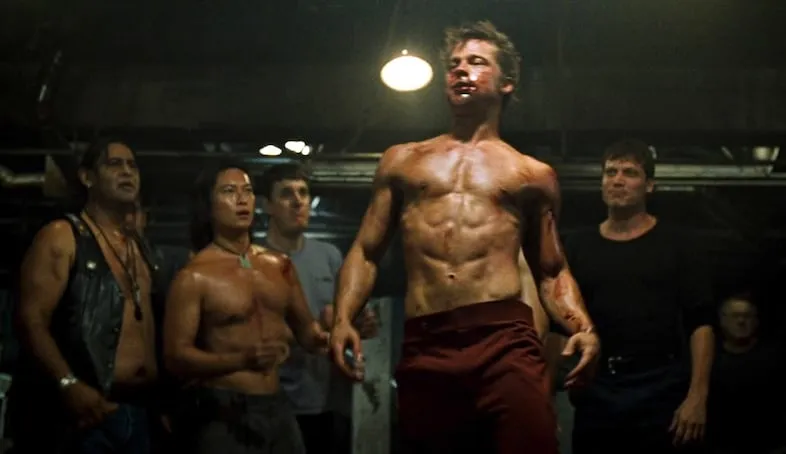
For the better part of twenty years, the male body ideal has been aggressively, almost cartoonishly, big. Bulging arms, thick necks, a chest you could rest a coffee cup on. Whether it was superhero franchises, fitness culture, or just the general vibe of Instagram in the 2010s, the message was clear: more muscle, always more muscle.
But something is shifting. According to a piece from Dazed, a new aesthetic is gaining traction among men - one centred not on mass, but on leanness. Specifically, a small, "snatched" waist.
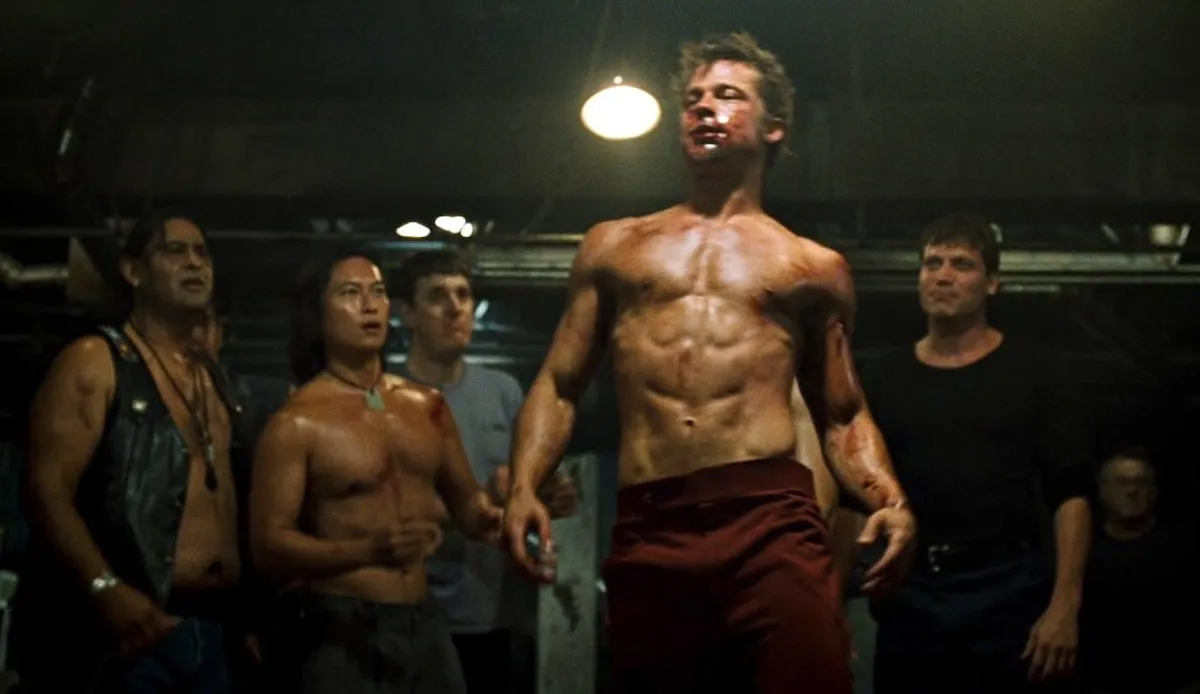
From bulk to bone structure
The change is subtle but significant. Where the previous ideal was about adding - more size, more weight, more presence - this one is about subtraction. A narrower silhouette, visible definition through the midsection, the kind of proportions that look less like a gym obsession and more like a carefully managed calorie deficit.
It's a look that has long been familiar to women navigating beauty standards, and that's exactly what makes it worth examining. The obsession with achieving an extremely small waist has historically come packaged with a whole set of pressures - around food restriction, body checking, and the kind of relentless self-scrutiny that rarely stays healthy for long.

Social media's role in the shift
Platforms like Instagram and TikTok have played an obvious part in accelerating this. Body trends spread faster than ever now, and the algorithm has a way of surfacing increasingly extreme versions of whatever aesthetic is currently having a moment. What starts as "fit and lean" can quietly become something more disordered - and men, who have historically been less included in conversations about body image and eating disorders, may be navigating this without much of a roadmap.
There's also the question of what's driving the aesthetic in the first place. Dazed points to the ongoing influence of celebrity culture, where actors and public figures are expected to present radically transformed physiques - sometimes within impossibly short timeframes. The tools used to get there, whether extreme training or something more pharmaceutical, tend to get left out of the conversation.

Why this moment matters
The shift from bulk to leanness might look like progress on the surface - less pressure to be enormous, maybe more acceptance of different body types. But swapping one unrealistic standard for another isn't liberation. It's just a different set of goalposts.
What's actually worth celebrating is a broader cultural willingness to talk about male body image at all. The conversation is opening up. The hope is that it keeps going somewhere genuinely useful, rather than just tracking the next trend.