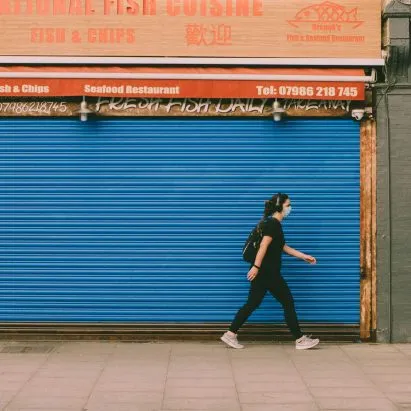
Six years on from the chaos of Covid-19, most of us have quietly filed the pandemic away under "things we don't want to think about again." But a growing chorus of experts says that's exactly the wrong move - and that the spaces we live, work, and gather in could be one of our most powerful defenses when the next health crisis arrives.
An unlikely partnership with huge potential
Writing for Dezeen, Diego S Silva, Enya Moore, and Chris L Smith make a compelling case: architects and public health officials need to start working together now, not after the next outbreak forces their hand. The argument is straightforward but easy to overlook. The design of our built environment shapes how diseases spread. Ventilation, density, the flow of people through a hospital corridor or a subway station - these aren't just aesthetic or logistical choices. They're public health decisions, whether we treat them that way or not.
Earlier this year, the World Health Organisation issued a plea urging exactly this kind of cross-sector thinking, a signal that the conversation has moved from niche academic circles to genuine institutional urgency.
Design as a form of preparedness
What makes this framing interesting is that it reframes architecture as something more than shelter or aesthetics. A well-designed building can reduce transmission. A poorly planned one can accelerate it. We saw this play out in real time during Covid - from care homes that became hotspots to outdoor spaces that became lifelines.
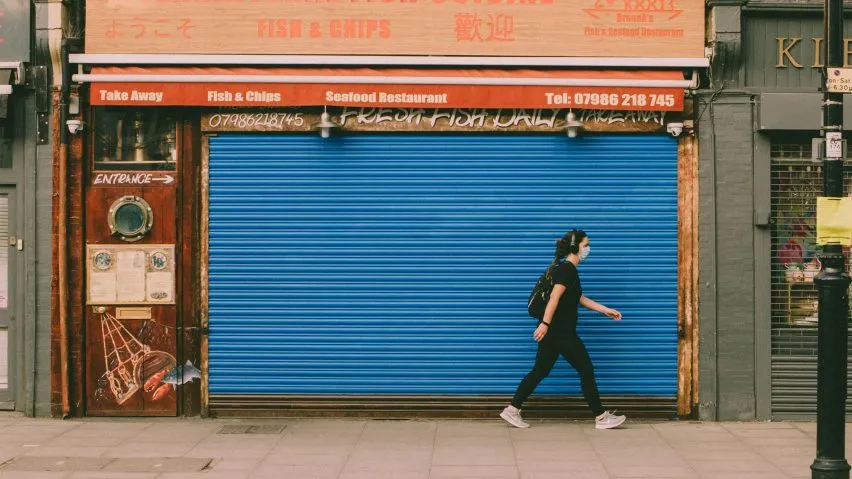
The authors argue that resilience needs to be baked into the design process from the start, not retrofitted in a panic. That means architects bringing epidemiological thinking into their work, and public health planners developing a genuine literacy in how physical space functions.
Why this matters beyond architecture circles
For most of us, this might sound like a conversation for specialists. But the built environment is something we all inhabit. The office you work in, the clinic you visit, the apartment block you live in - all of it was shaped by decisions that may or may not have had your health resilience in mind.
As cities grow denser and the risk of future pandemics remains real, the idea that good design could be a form of public health infrastructure is worth taking seriously. It's not a magic fix, but it's a smarter starting point than waiting for the next crisis and scrambling to adapt.
The conversation between architects and health officials is long overdue. Here's hoping it doesn't take another pandemic to make it happen.