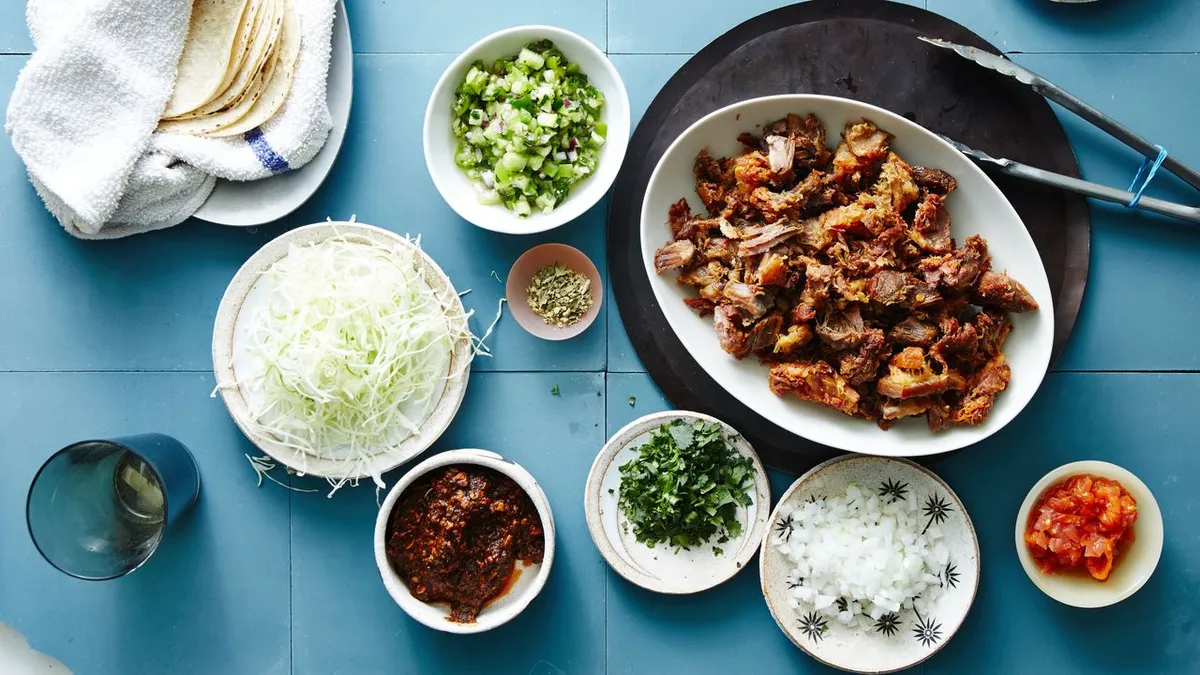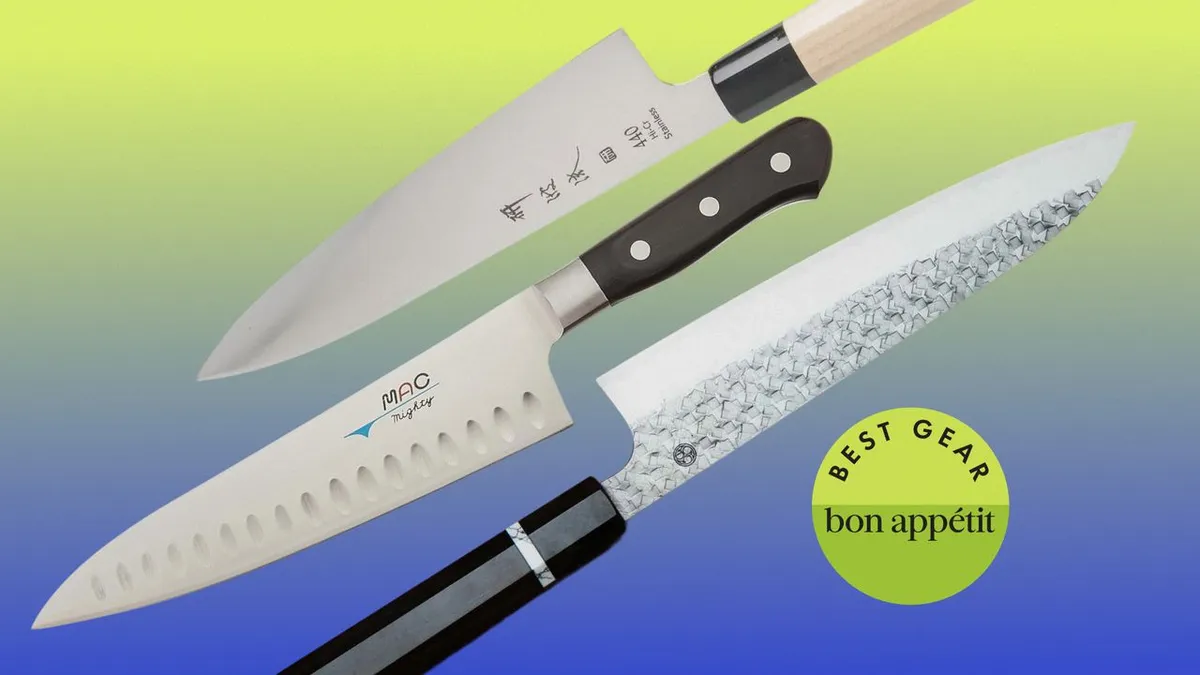
Let's be honest. Most of us are out here hacking at tomatoes with a $15 knife from a big-box store, wondering why cooking feels like a chore. Then you pick up a Japanese knife for the first time and suddenly you understand why chefs get weird and obsessive about their blades.
According to Bon Appétit's roundup of the best Japanese knives for 2026, traditional and hybrid Japanese blades have earned their near-mythical reputation - and it's not just hype. These things genuinely are close to perfect kitchen tools.
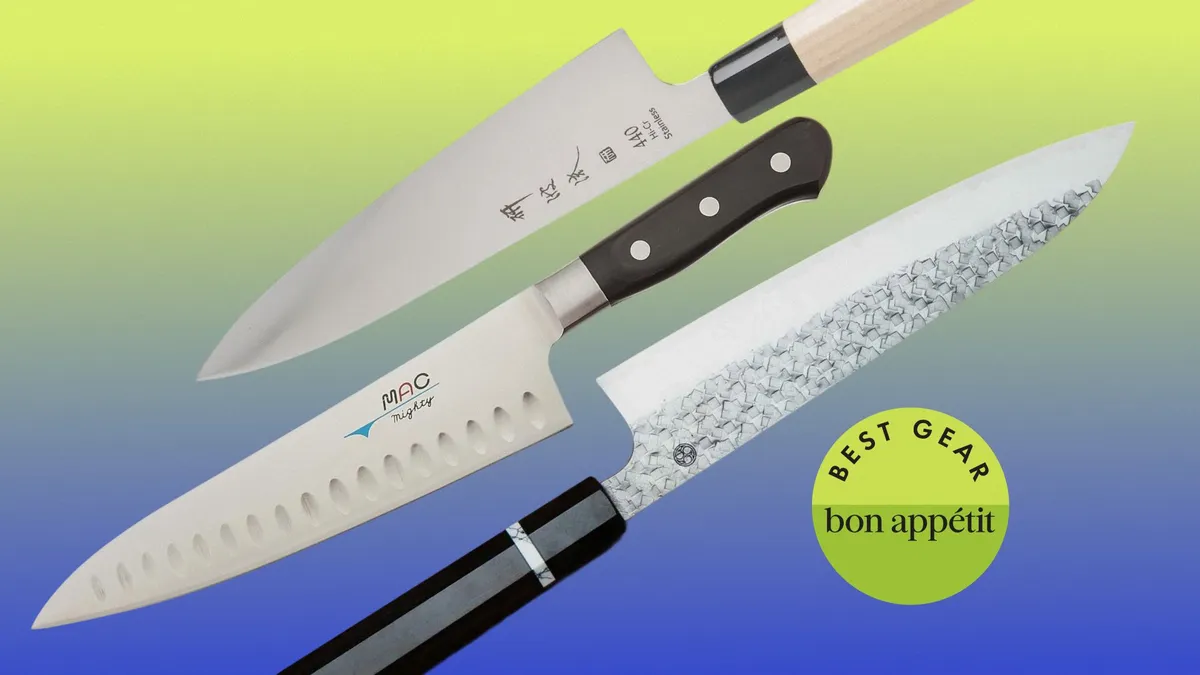
So what's actually going on with these knives?
Japanese knives are typically made from harder steel than their Western counterparts, which means they can hold a sharper edge for longer. The trade-off is that harder steel can be more brittle, so you can't exactly go caveman on a butternut squash without consequences. Respect the blade. The blade respects you back.
There are two main camps here - traditional Japanese blades and hybrid styles. Traditional knives like the gyuto and santoku are designed around specific cutting techniques, often single-bevel (sharpened on one side only), which gives them an almost surgical precision. Hybrid styles borrow that incredible sharpness but wrap it in a more familiar Western-style handle and double-bevel edge, making them way more approachable if you're not a trained sushi chef.
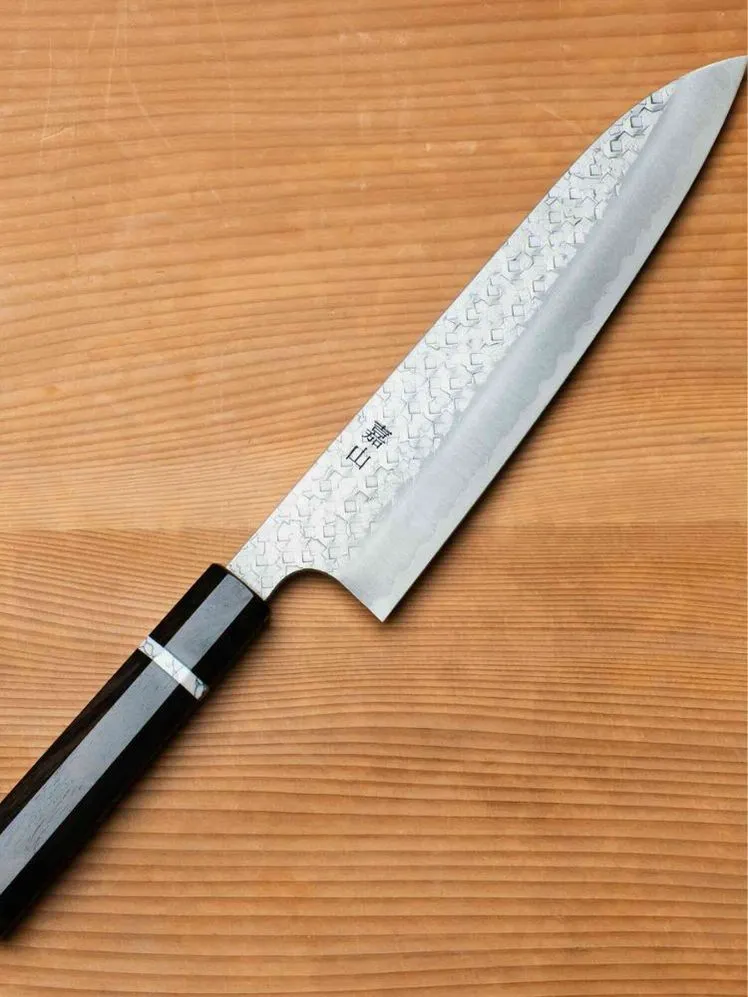
Why does this actually matter for regular humans?
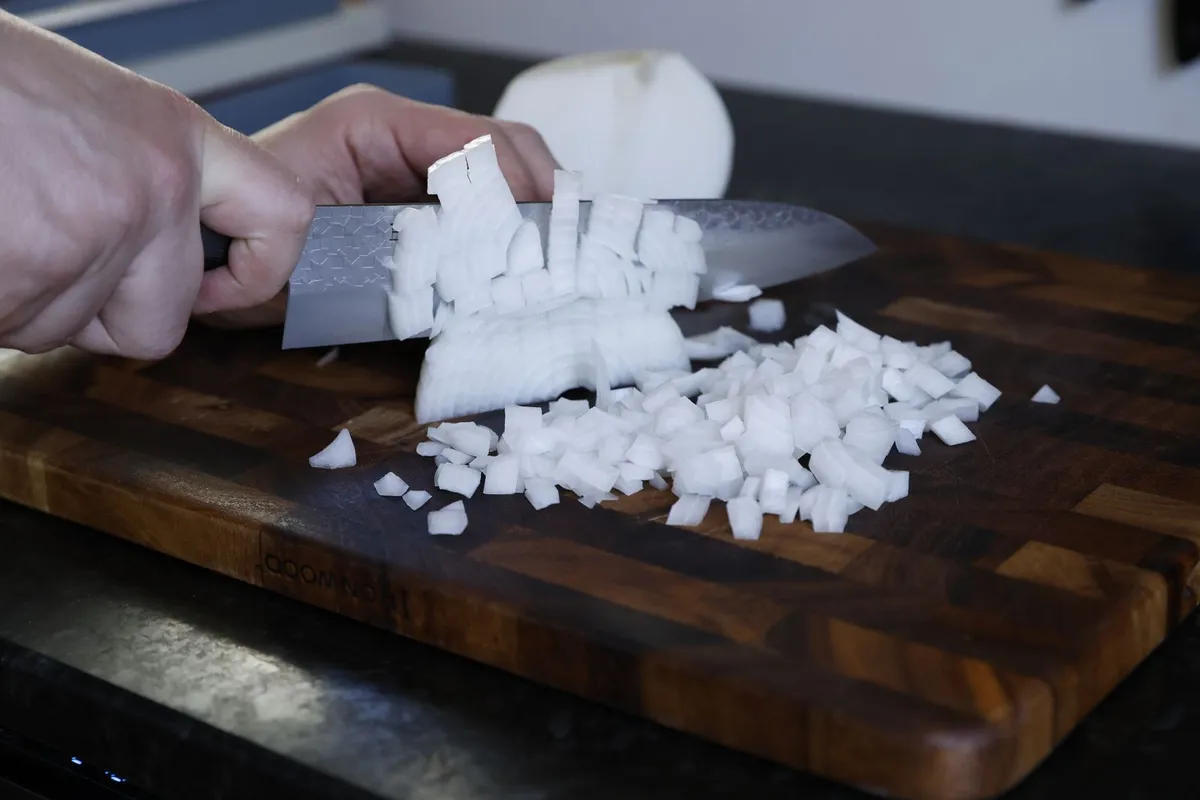
A sharper knife isn't just about feeling fancy. It's genuinely safer - a sharp blade requires less force, which means less chance of it slipping off that onion and into your finger. It also makes your food taste better, weirdly enough. Cleaner cuts mean less cell damage in your ingredients, which preserves flavor and texture. Yes, the science of knife cuts mattering for taste is real, and yes, it should change how you feel about your current blade situation.
The aesthetic factor is also not nothing. Japanese knives are genuinely beautiful objects - the kind of thing you leave on your counter on purpose so guests notice them. Nerdy? Sure. But also correct.
The bottom line
Whether you're a home cook who's tired of struggling through meal prep or someone who's already spent too much time on culinary subreddits at 2am, investing in a quality Japanese knife is one of those upgrades that actually changes your daily life. Bon Appétit's full breakdown covers everything from budget picks to serious splurges, so you can find your perfect match without accidentally buying something that requires a PhD to maintain.
Your cutting board is waiting. Your tomatoes are waiting. And honestly, you deserve better than that drawer knife you've been using since college.