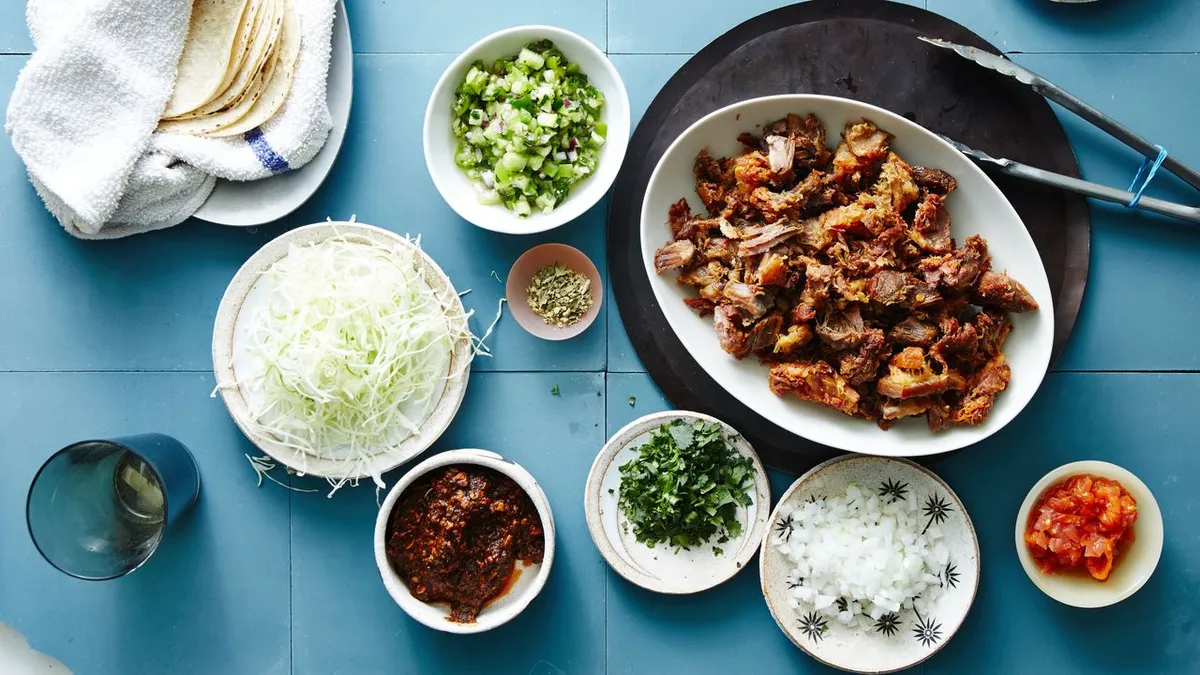
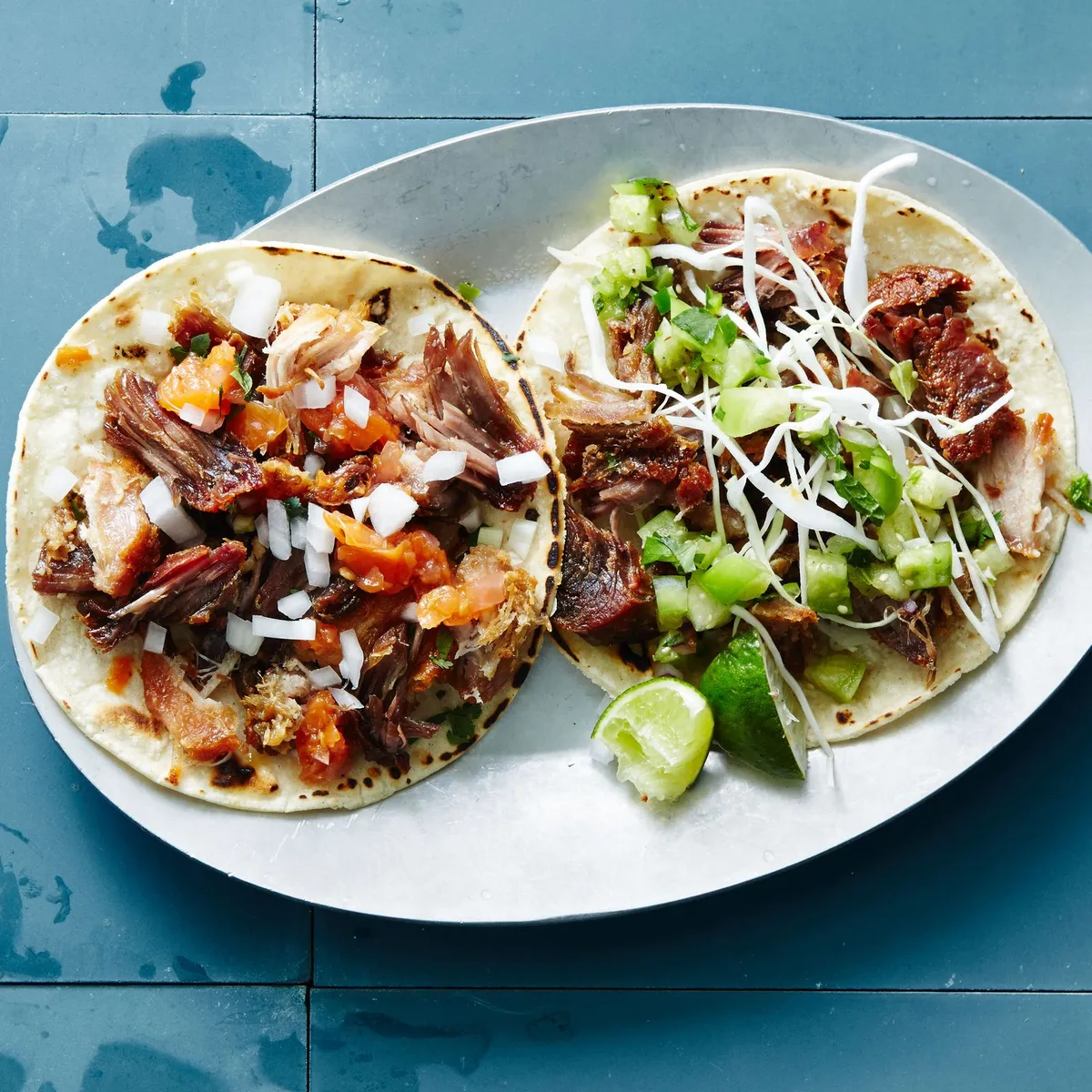
There are dishes that look impressive but are secretly straightforward, and carnitas falls squarely into that category. Tender, pull-apart pork with crackling, golden edges - it sounds like something you'd only eat at a great taco spot. But according to a recipe featured on Bon Appétit, the technique is more accessible than you might think, and the results are worth every minute of cooking time.
The two-step magic trick
What makes carnitas genuinely different from a standard slow-cooked pork is the finish. The meat is braised low and slow until it's completely tender - fork-yielding, falling-apart tender - and then it gets crisped up in its own rendered fat. That second step is where the magic happens. You get those deeply caramelized, crunchy edges while the interior stays juicy and soft. It's a textural combination that's hard to beat.
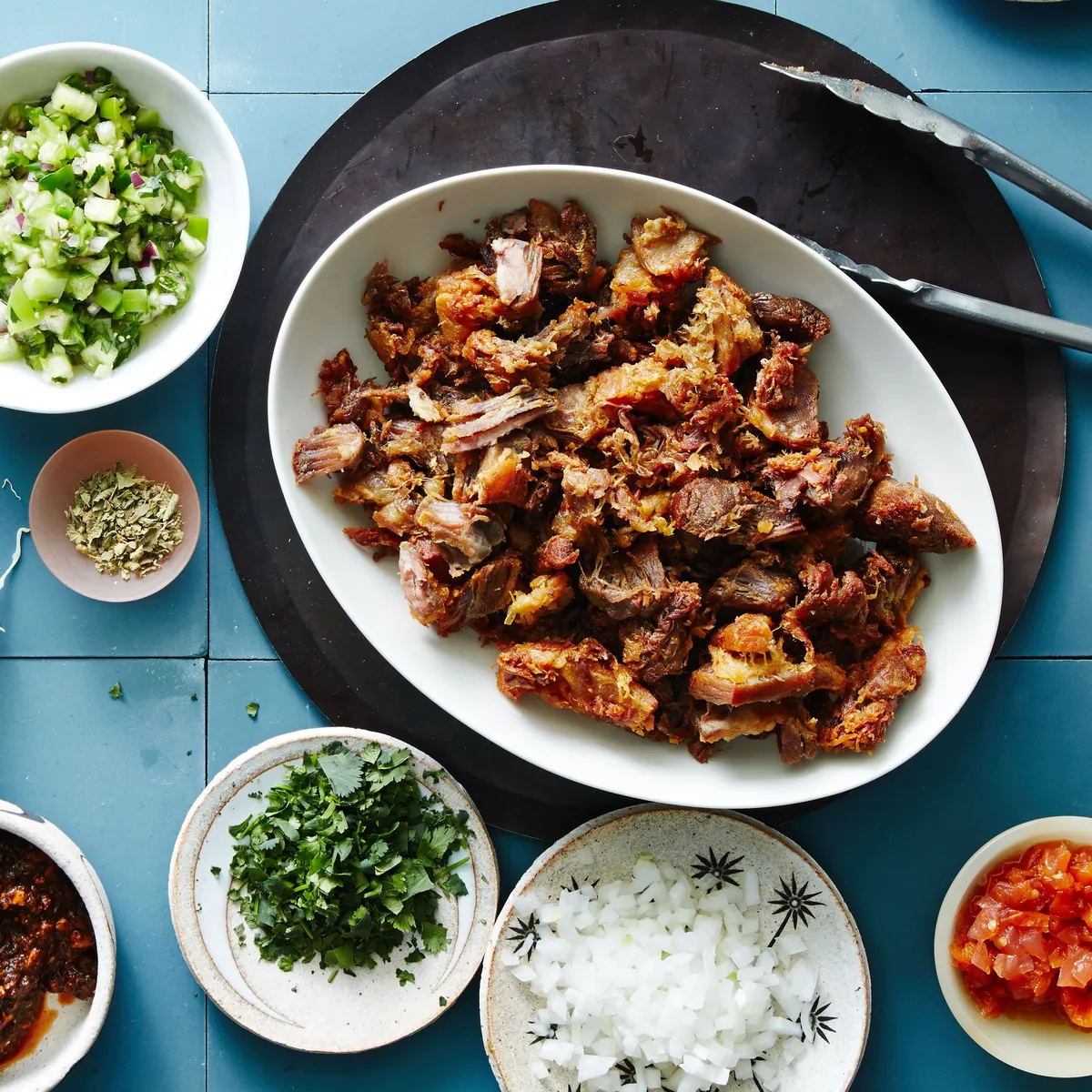
Think of it like the pork version of duck confit. The fat isn't the enemy here; it's the cooking medium, and it does a better job than almost anything else at creating that irresistible contrast between crispy exterior and melt-in-your-mouth interior.
Why this matters beyond the recipe
Carnitas is one of those foundational Mexican dishes that deserves more respect in home kitchens. It's endlessly versatile - stuff it into tacos with pickled onions and a squeeze of lime, pile it onto rice bowls, or use it as a filling for quesadillas. Once you have a batch, you're set for multiple meals throughout the week.
There's also something satisfying about understanding why a recipe works, not just following the steps. The braise builds deep flavor and breaks down tough connective tissue, while the final crisping in rendered fat concentrates that flavor even further. It's classic technique with a very clear payoff.
A few things to keep in mind
- Patience is the main ingredient - don't rush the braise
- The crisping step is non-negotiable if you want that signature texture
- Leftovers reheat beautifully in a hot pan with a little of the reserved cooking fat
If you've been ordering carnitas out and assuming it's too involved to make at home, this recipe from Bon Appétit might change your mind. It's the kind of cooking that rewards a relaxed Sunday afternoon and pays you back in weeknight dinners.