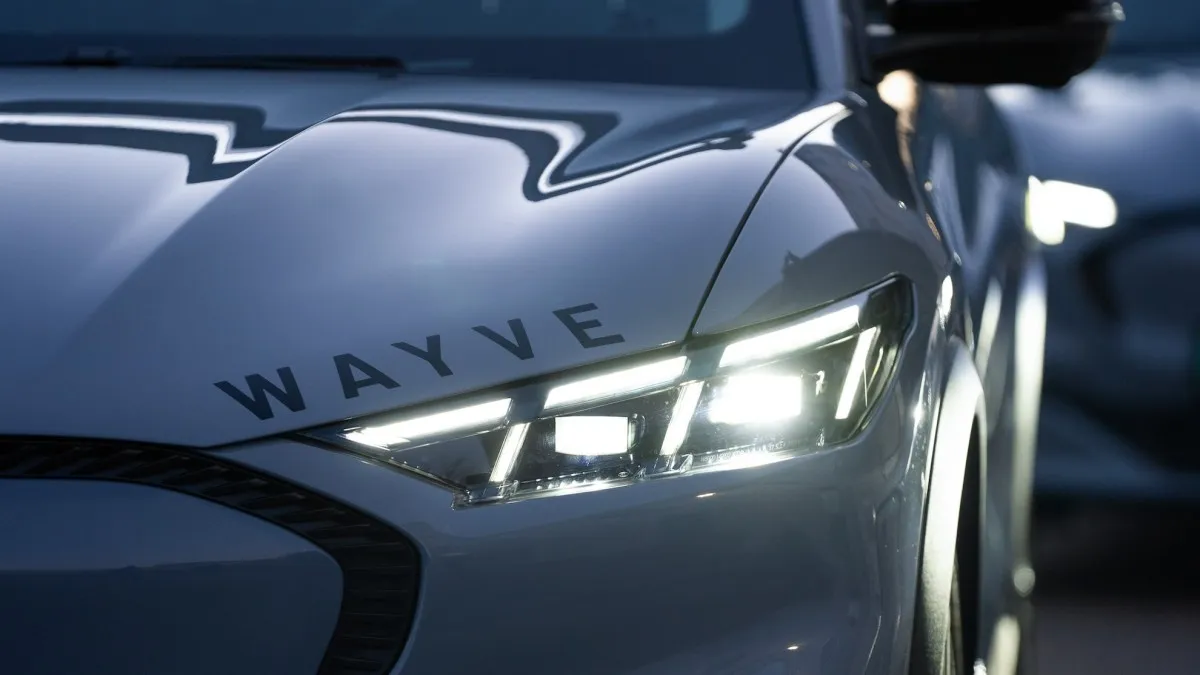
When three of the biggest names in semiconductor technology all decide to back the same startup, it's worth paying attention. According to TechCrunch, AMD, Arm, and Qualcomm have all invested in Wayve, the self-driving technology company whose Series D round - first announced in February at $1.2 billion - is apparently still growing.
What makes Wayve different?
The self-driving space has seen its share of hype cycles, spectacular crashes, and quiet pivots over the years. So the fact that Wayve is pulling in investment from chip giants rather than just traditional automotive or venture capital players signals something a little different is going on here.
Chipmakers don't just throw money at things for fun. AMD, Arm, and Qualcomm all have a direct stake in what kind of computing architecture ends up powering the next generation of autonomous vehicles. Backing Wayve isn't just a financial play - it's a strategic bet on which technology stack is going to win.
The funding round that keeps on giving
A $1.2 billion raise is already a headline-grabbing number, but the fact that this round is still expanding months after its initial announcement suggests serious momentum. It also reflects a broader shift in how investors are thinking about autonomous driving - less as a moonshot fantasy and more as an increasingly near-term infrastructure problem that needs real compute solutions behind it.

For the chipmakers involved, the logic is pretty straightforward. Self-driving systems are extraordinarily demanding from a processing standpoint. Whoever's silicon ends up inside the dominant autonomous platforms stands to benefit enormously. Getting in early - and helping shape the technology from the ground up - is a smart play.
Why this matters beyond the tech world
For anyone who doesn't spend their days reading semiconductor trade news, this might seem like inside-baseball stuff. But the convergence of major chip companies around a single autonomous driving startup is actually a meaningful signal about where the industry thinks real-world self-driving is headed.
Wayve's growing war chest and its increasingly impressive roster of backers suggest the company is positioning itself as foundational infrastructure for autonomous transport - not just another flashy demo reel. Whether you're thinking about the future of urban mobility, delivery logistics, or just your eventual commute, what gets built and funded now matters.
Keep an eye on this one. The money is talking, and it's saying something interesting.