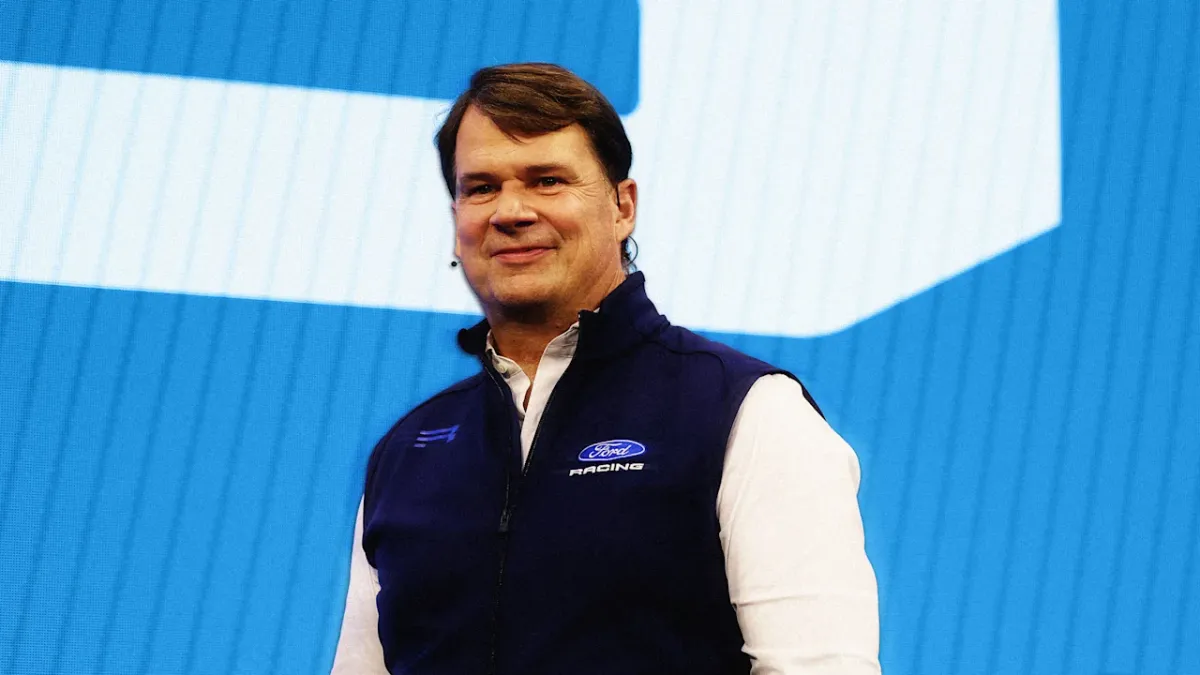
If you want to understand the pressure building inside the American auto industry right now, look no further than Ford CEO Jim Farley. In a candid interview with Fast Company, Farley lays out exactly what surging gas prices and global instability mean for a company that has to plan years ahead while the world shifts beneath its feet.
The timing couldn't be more loaded
With turmoil around the Strait of Hormuz driving energy costs higher, consumers are feeling the pinch at the pump. For Farley, that's not just a headline - it's a strategic signal. Higher gas prices tend to accelerate interest in electric vehicles, and Ford wants to be ready when more buyers come looking. The question is whether affordable options are actually on the table.
That's precisely why Farley says Ford is doubling down on making EVs accessible, not just aspirational. The luxury end of the EV market is increasingly crowded, but the middle - where most Americans actually shop - still has room for a brand with Ford's reach and name recognition to make a real move.
China is the competitive reality nobody wants to ignore
One of the most striking parts of Farley's conversation is how directly he addresses the China threat. Chinese automakers have become formidable competitors in the EV space, producing vehicles at price points that are genuinely difficult to match. Farley doesn't downplay this. It's reshaping how Ford thinks about cost, speed, and innovation on a global scale.
For a brand as historically American as Ford, acknowledging that kind of competitive pressure is significant. It signals that the company understands the stakes - and that nostalgia alone won't be enough to win the next decade of car buying.
Frustration from the inside
Perhaps the most refreshing part of Farley's comments is his willingness to call out Ford's own shortcomings. He expresses genuine frustration with the company's pace of ingenuity - an unusual admission from a sitting CEO, and one that suggests the pressure to move faster is very real internally, not just external.
That kind of self-awareness can be a competitive advantage, if it translates into action. Acknowledging the gap between where you are and where you need to be is step one. Closing it is the harder part.
For everyday consumers, what Farley is describing matters beyond the auto industry. Affordable EVs hitting the market from a trusted American brand could genuinely shift how accessible electric driving becomes for the average household. Whether Ford can deliver - and do it before competitors do - is the defining question of this chapter for the company.