
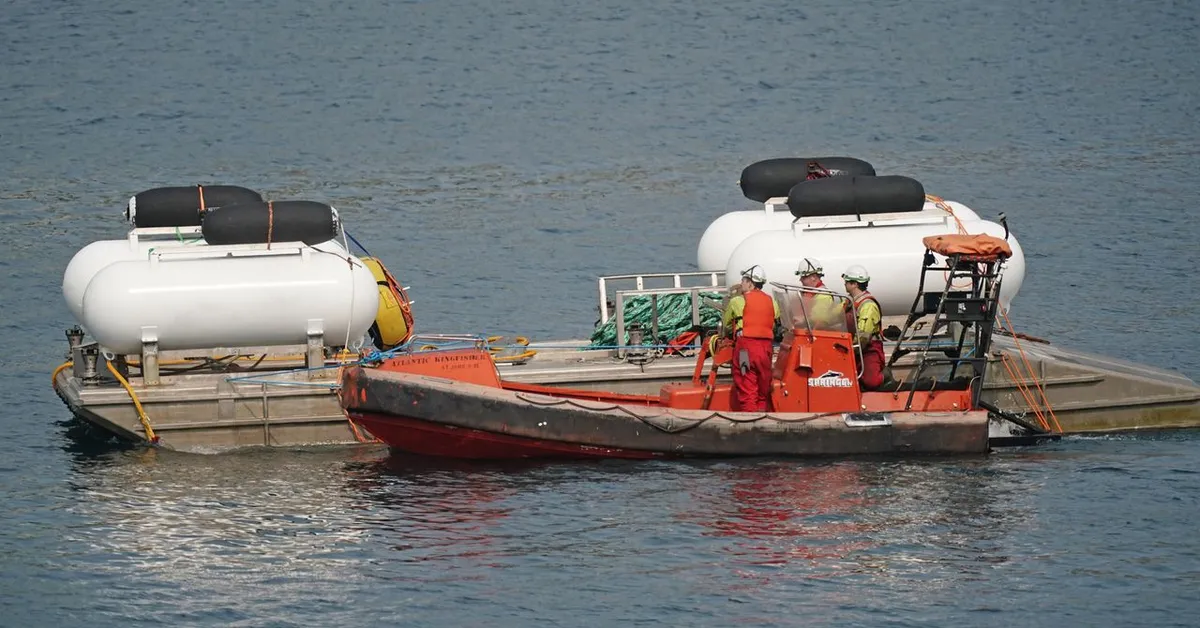
Remember the Titan submersible implosion - the one that had the entire internet simultaneously horrified and arguing about depth physics? Well, it turns out the story just got a whole lot more frustrating. A new report has found that Canadian government agencies missed multiple opportunities to inspect the vessel before it made its fatal dive to the Titanic wreck site.
The paper trail of 'somebody else's problem'
According to a report covered by Wired, the core issue was not a single catastrophic failure in oversight - it was something far more mundane and infuriating: agencies simply failed to communicate with each other. Classic bureaucratic hot-potato, except this time the potato was a carbon-fiber pressure vessel carrying five people into the crushing darkness of the North Atlantic.
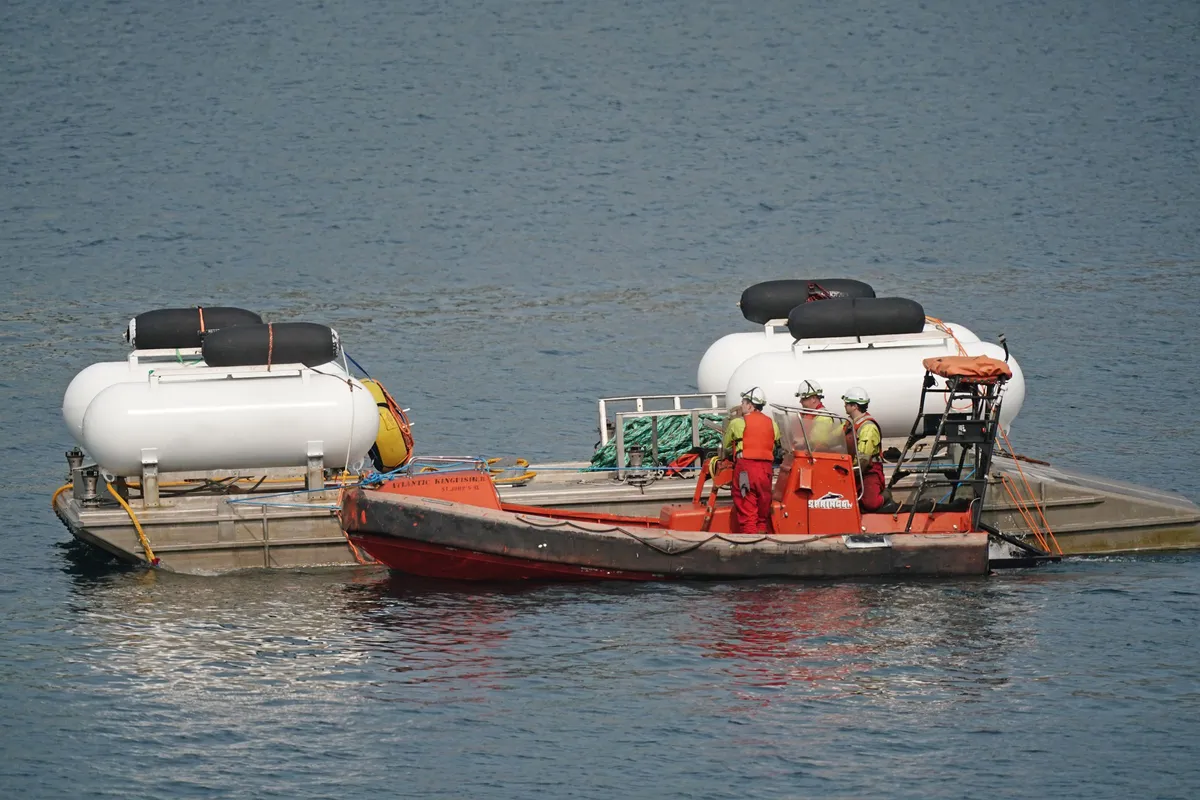
The kind of inter-agency communication breakdown described here is the governmental equivalent of everyone in a group chat seeing the message and assuming someone else will reply. Nobody did. And the consequences were as irreversible as they get.
So what happens now?
The report does not just point fingers - it comes with recommendations for stronger oversight frameworks designed to prevent future disasters in the emerging deep-sea tourism and exploration industry. Because yes, that is an industry that exists, and yes, it apparently needed clearer rules about who is responsible for making sure the vessels do not implode.
This matters beyond the specific tragedy of the Titan. The deep-sea exploration space is growing, with private companies pushing the boundaries of what humans attempt underwater. The regulatory frameworks governing these operations have not exactly kept pace with the ambition of the entrepreneurs involved. OceanGate, the company behind Titan, had famously and publicly bristled at safety oversight before the disaster.
The uncomfortable takeaway
Five people died in a vessel that multiple agencies had the authority and arguably the responsibility to scrutinize more closely. The report is a hard read not because it reveals some shadowy conspiracy, but because it reveals something more familiar: a system of overlapping jurisdictions where everyone assumed someone else was handling it.
The recommendations now on the table aim to close those gaps. Whether governments move quickly enough on them - given that bureaucracies are not historically known for their urgency - remains to be seen. But at minimum, the paper trail now exists. Someone, somewhere, has to reply to the group chat.