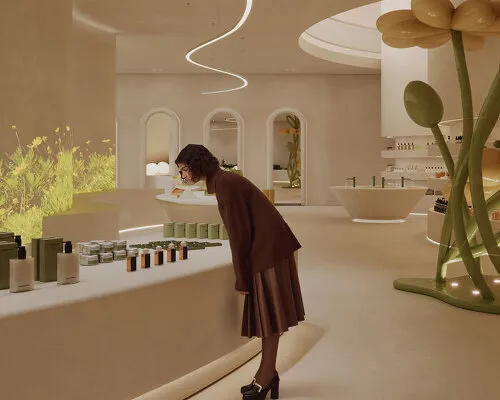
Retail spaces have spent decades screaming at you. Flashing lights, aggressive signage, fluorescent overload - every surface begging for your attention and your wallet. So when a store comes along and does the exact opposite, it genuinely stops you in your tracks.
Inside the Bloom is a biophilic retail interior that, according to a recent feature on Designboom, is built around one surprisingly radical idea: slowing people down. In a world where the average person speed-walks through a store like they're completing a speedrun, that's practically a manifesto.
What does 'biophilic retail' actually mean?
Biophilic design is the practice of weaving nature into built environments - not just slapping a few succulents on a shelf and calling it a day. We're talking organic textures, fluid spatial transitions, and lighting that actually mimics the soft, diffused glow of natural light rather than making you look like you're being interrogated.
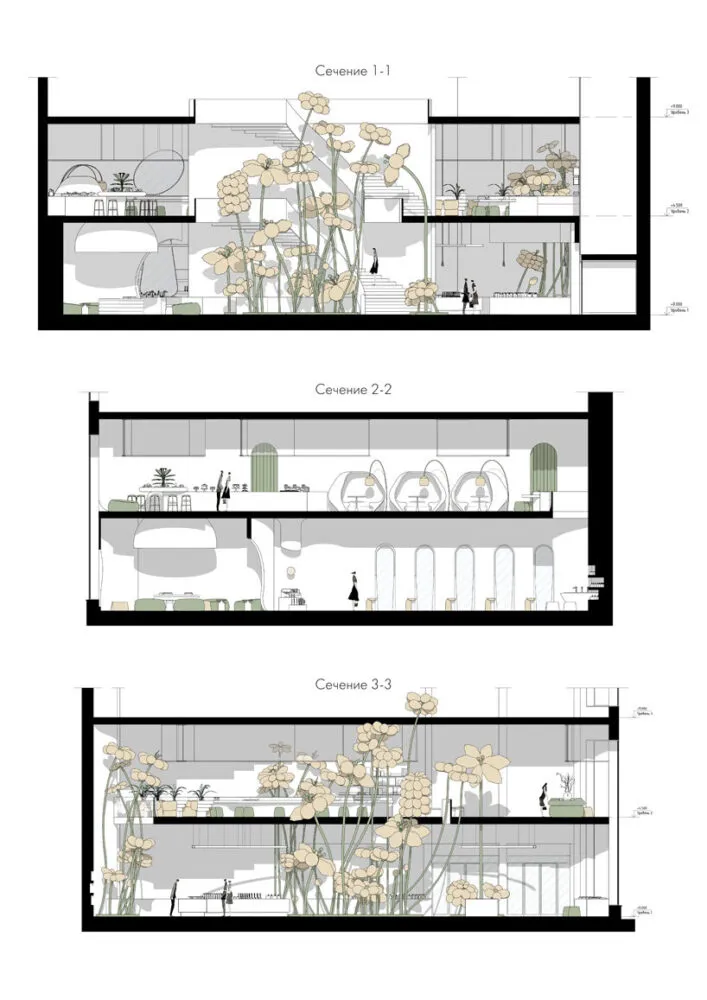
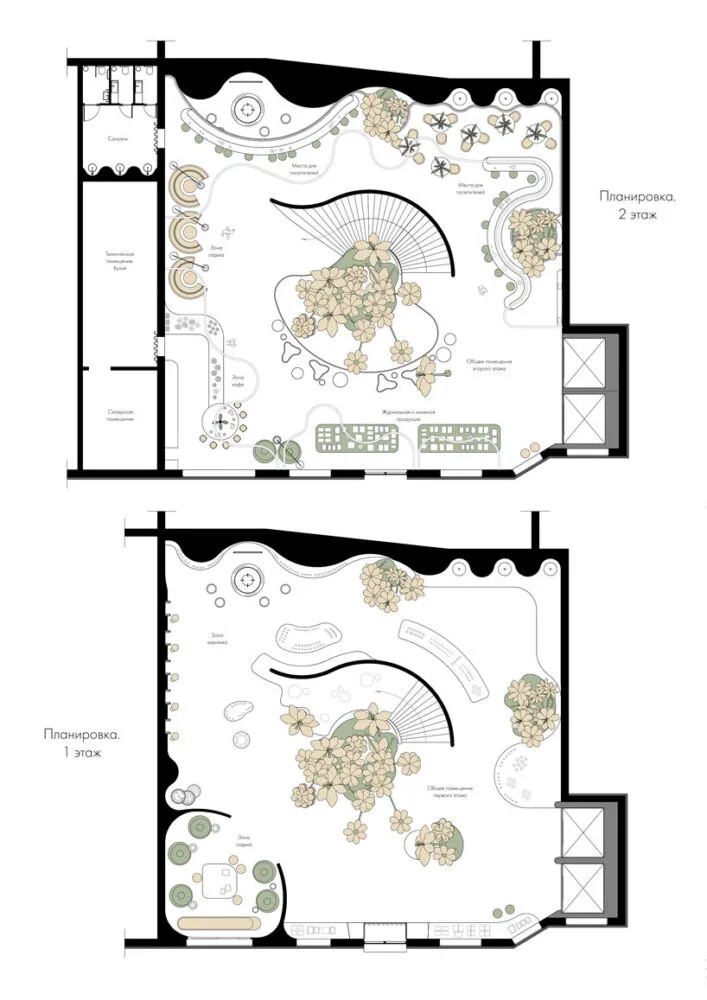
Inside the Bloom leans into all of this hard. The space is shaped to guide visitors through what feels more like an unfolding natural environment than a transactional commercial zone. Surfaces breathe. Spaces flow into each other. Light is soft enough that you might actually forget you're supposed to be buying something.
Why does this matter beyond aesthetics?
Here's the nerdy bit. Research consistently shows that exposure to natural elements - even simulated ones - reduces stress, improves mood, and increases the time people spend in a space. For retail, that last part is basically the holy grail. A calmer customer is a more engaged customer. A more engaged customer is a more likely-to-buy customer.
But Inside the Bloom seems less interested in the conversion funnel and more interested in something genuinely unusual for retail: the experience of growth. The space is designed to make visitors observe, reflect, and feel something. That's a pretty ambitious brief for somewhere you presumably go to purchase things.
The bigger picture
This isn't just a pretty store. It's a quiet argument against the dominant logic of modern retail, which assumes more stimulation equals more sales. Inside the Bloom suggests the opposite - that restraint, texture, and thoughtful light can create a deeper connection between a brand and the people walking through its doors.
Whether that translates into a sustainable retail model or remains a beautiful experiment is another question entirely. But in a landscape of aggressively loud commercial spaces, a room that invites you to breathe feels almost radical.
And frankly, we could use more radical breathing rooms right now.