Travel has always carried a complicated relationship with the planet. You love exploring it, but getting there - and staying somewhere - comes with a cost. The good news? The industry is increasingly moving beyond just "doing less harm" and toward something more ambitious: actively giving back.
According to Condé Nast Traveler, some of the most exciting sustainability shifts happening in travel right now aren't just about carbon offsets and bamboo toiletries. They're bigger, bolder, and honestly, pretty fascinating.
Rewilding is having a serious moment
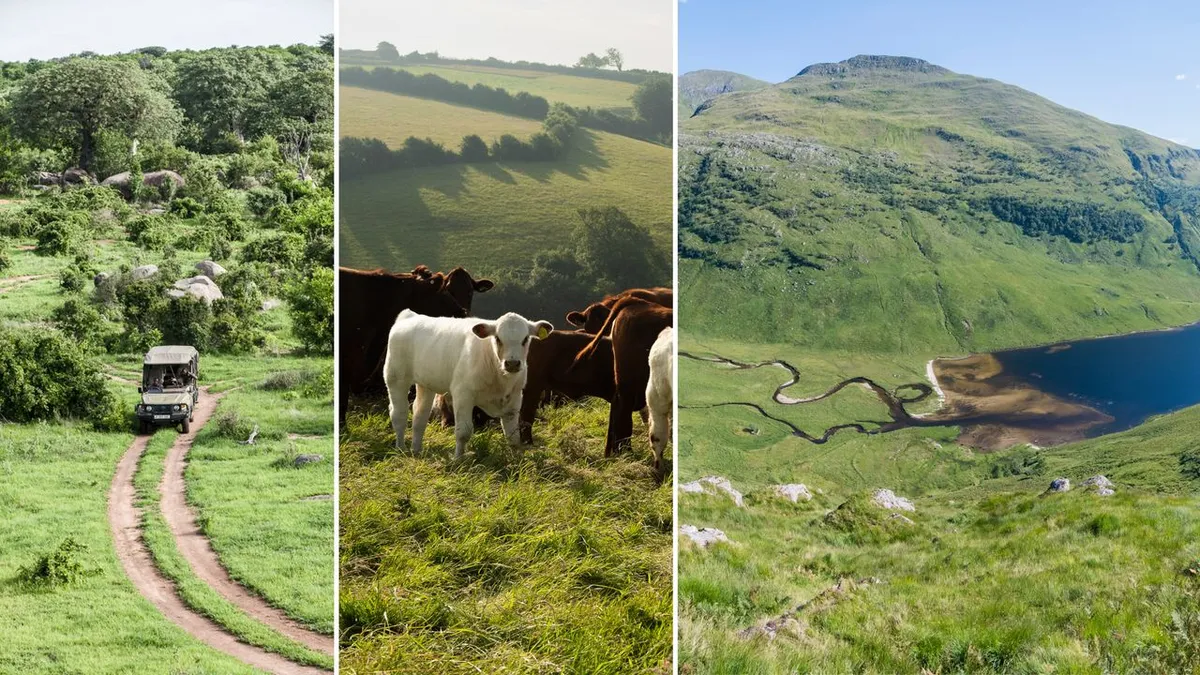
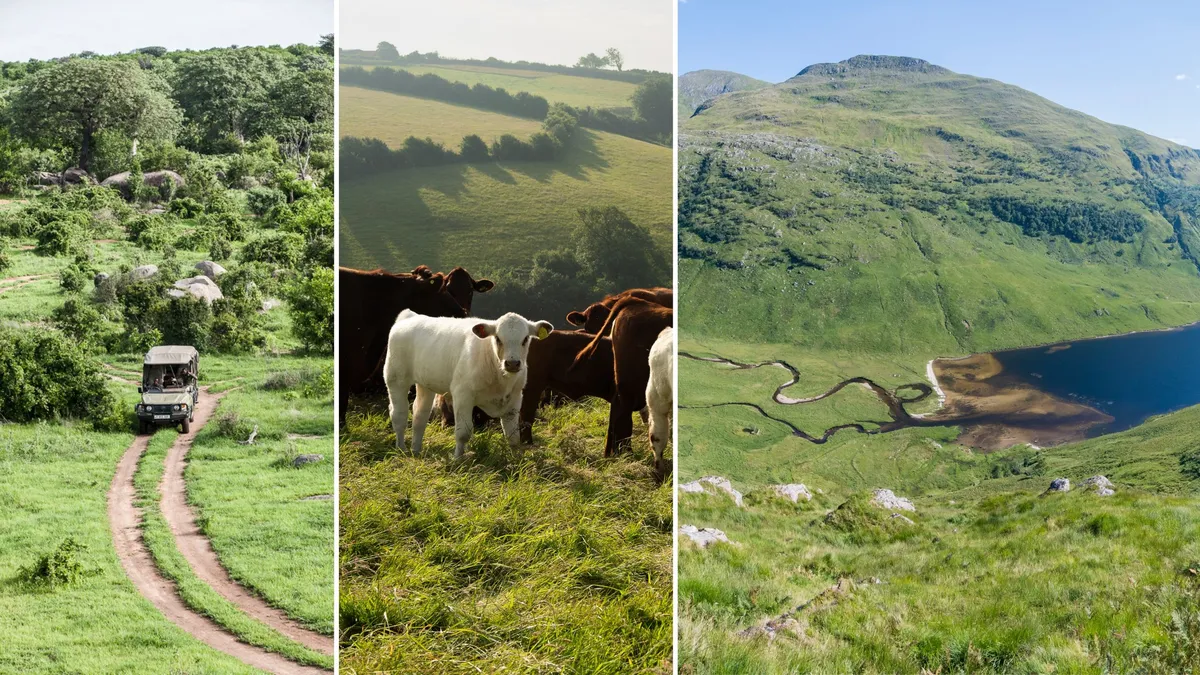
One of the standout trends is rewilding - restoring vast stretches of land to their natural, untamed state. This isn't just a conservation buzzword anymore. Travel operators and destinations are integrating rewilding projects into their offerings, meaning your next trip could directly contribute to rebuilding ecosystems that were degraded for decades. Think wolf reintroductions in Europe, grassland restoration in Africa, and forest regeneration in South America. Trips built around witnessing this kind of recovery are becoming a genuine draw for eco-conscious travelers.
It flips the script on tourism entirely. Instead of visiting a place and leaving a footprint, you're visiting and helping restore one.
Smarter kitchens, less waste
On a more behind-the-scenes level, AI is starting to make a real dent in one of hospitality's most stubborn problems: food waste. Hotels and resorts are using technology to better predict demand, manage inventory, and reduce the staggering amount of food that gets thrown out every day. It's not glamorous, but given that food waste is a significant contributor to global emissions, it matters more than most people realize.
For travelers, this might show up as more thoughtful menus, smaller but higher-quality buffet offerings, or a stronger farm-to-table focus at properties that are rethinking their supply chains from the ground up.

Why this matters for how you travel
The shift happening across the industry reflects a growing understanding that sustainability in travel can't just be a marketing badge. Travelers - particularly those in the 25-40 bracket - are asking harder questions before they book. Does this lodge support the local community? Is this airline actually reducing its emissions, or just buying credits? What happens to this resort's waste?
The trends highlighted by Condé Nast Traveler suggest the industry is finally responding with substance rather than spin. That's worth paying attention to - not because you need to feel guilty about your next holiday, but because the options for traveling in a way that feels genuinely good are getting better all the time.
The future of travel isn't about going fewer places. It's about going smarter.