There was a time when getting health advice meant sitting in a waiting room for 45 minutes, flipping through a 2019 issue of People magazine, only to get three minutes with a physician who looked mildly inconvenienced by your existence. Simpler times.
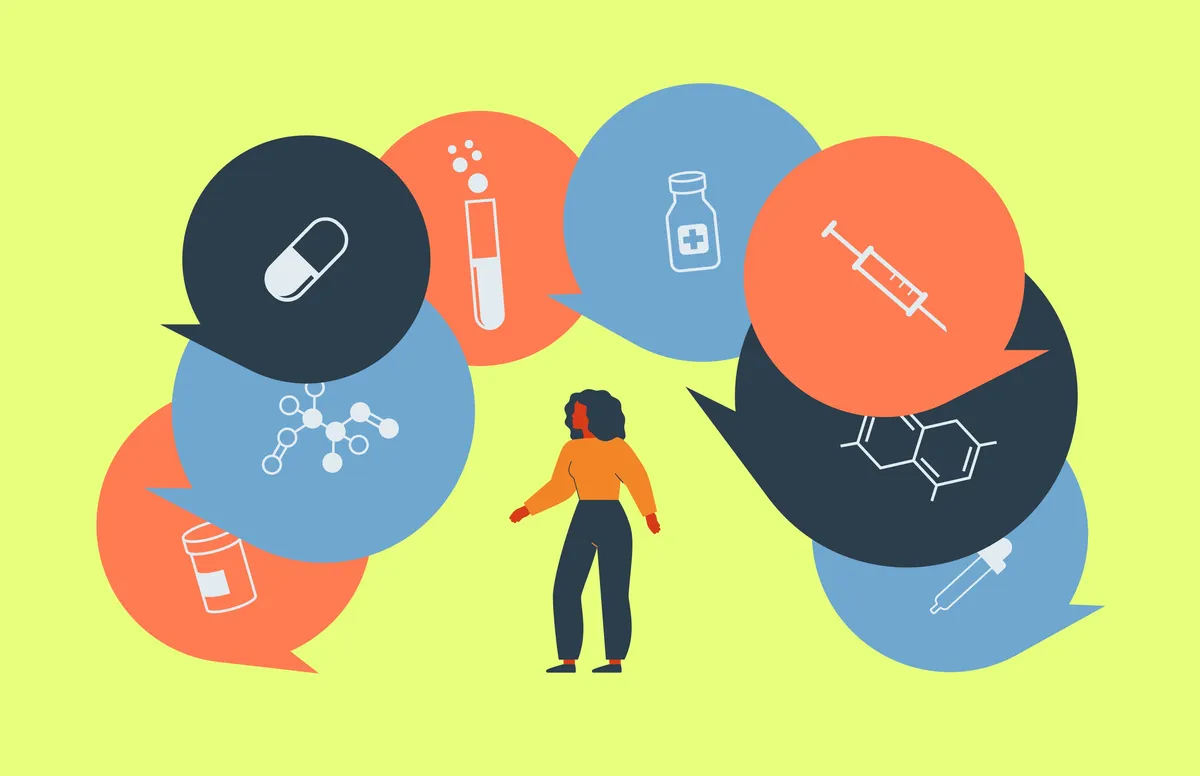
Now, according to a major new study from the Pew Research Center (covered by Vox), 40 percent of Americans - and a full half of adults under 50 - are turning to health and wellness influencers on social media instead. Which is either a sign of a broken healthcare system, a collapse of institutional trust, or just proof that a charismatic person with good lighting can sell absolutely anything. Possibly all three.
The vibe shift in medical trust
Here's the thing: this isn't just teenagers falling down rabbit holes about "gut health" and moon water. The erosion of trust in traditional medical institutions - including heavyweights like the CDC - has been real, measurable, and frankly not hard to understand given the last five years of public health communication.
When official guidance shifts, gets politicized, or just feels impossibly distant from your actual daily life, it makes a weird kind of sense that people gravitate toward someone who looks them in the eye (via a 60-second reel) and speaks in plain, relatable terms. Even if that someone is primarily trying to sell you a probiotic.
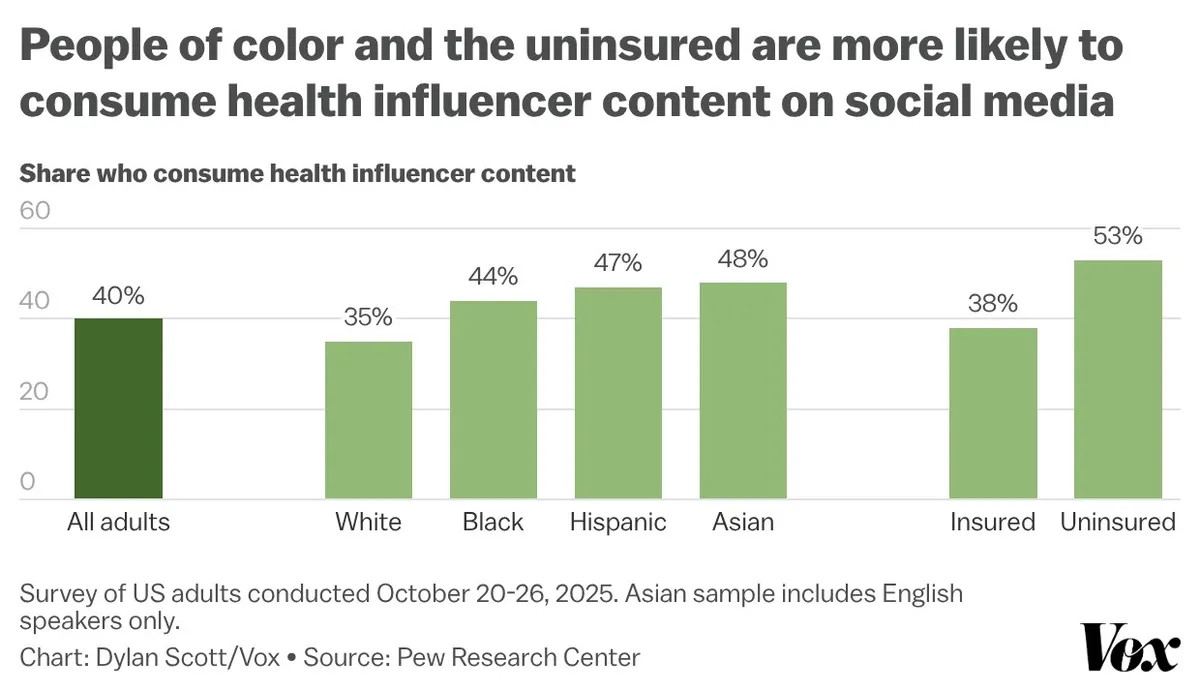
Who's actually watching?
The Pew data suggests this isn't some fringe behavior. It's essentially mainstream at this point, especially for younger adults. Instagram and TikTok have become de facto wellness waiting rooms - minus the outdated magazines, plus a comment section full of people saying "this explained my mystery symptoms better than my GP did."
Which is both kind of empowering and kind of terrifying, depending on which influencer you stumbled upon.
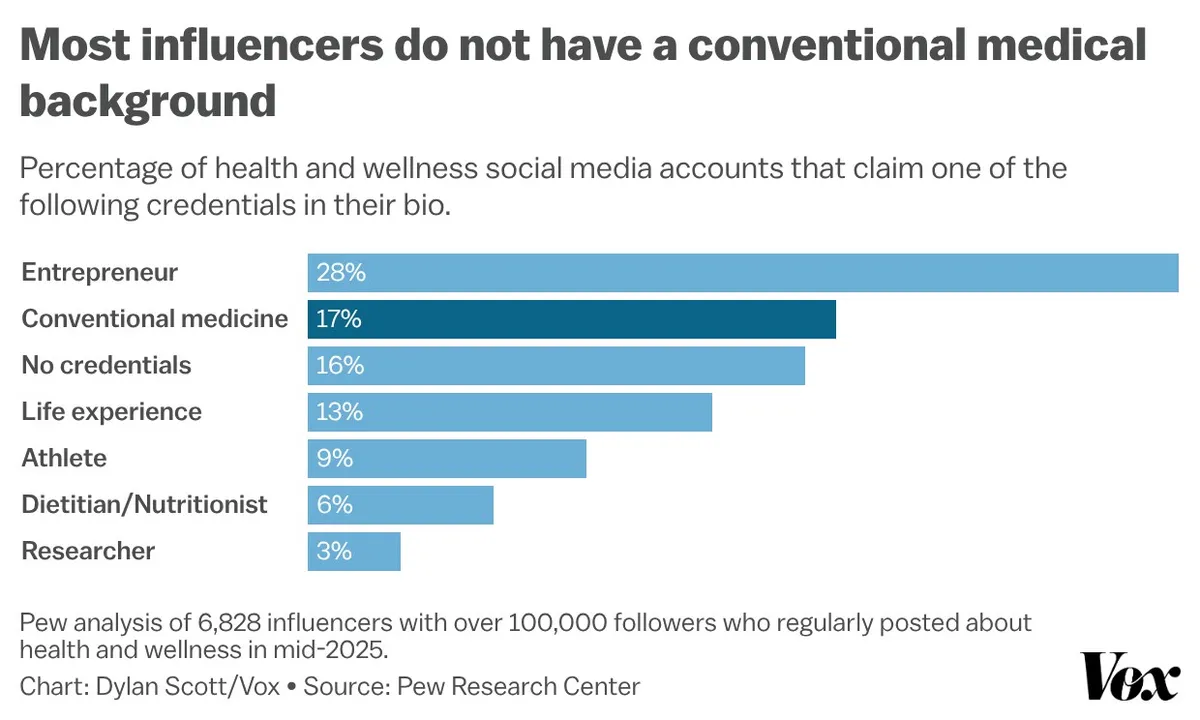
Should we panic?
Not necessarily - but it is worth paying attention to. The real issue isn't that people are curious about their health online. It's that the gap between credible, accessible health information and slick, algorithm-optimized pseudoscience is genuinely hard to spot, especially when you're already anxious and the influencer has 800,000 followers and a very confident voice.
The Pew study is a useful reminder that the health information ecosystem has fundamentally shifted. Doctors, institutions, and actual scientists might want to take note - because the audience isn't gone, it just moved platforms.