If you haven't read Audre Lorde's essay The Uses of the Erotic, you're missing one of the most quietly radical texts ever written. First delivered as a lecture in 1978, it argues that the erotic - that deep, feeling-driven sense of aliveness - is not something frivolous or shameful. It's a source of genuine power, one that has been systematically denied to women and marginalised people for centuries.
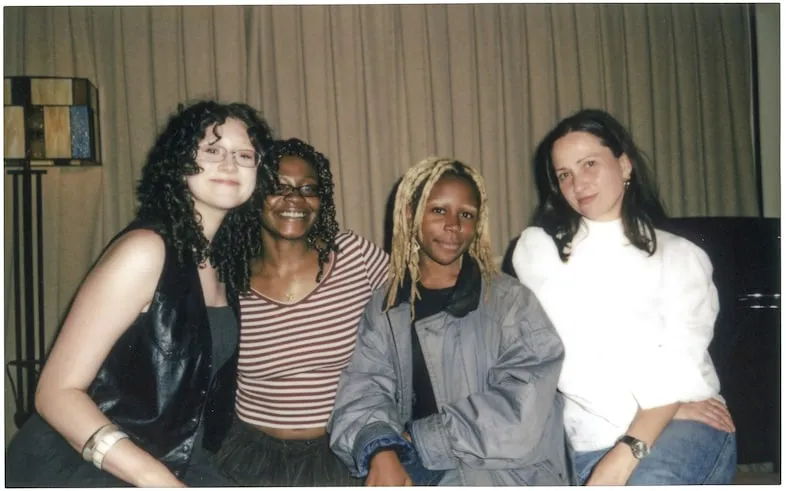
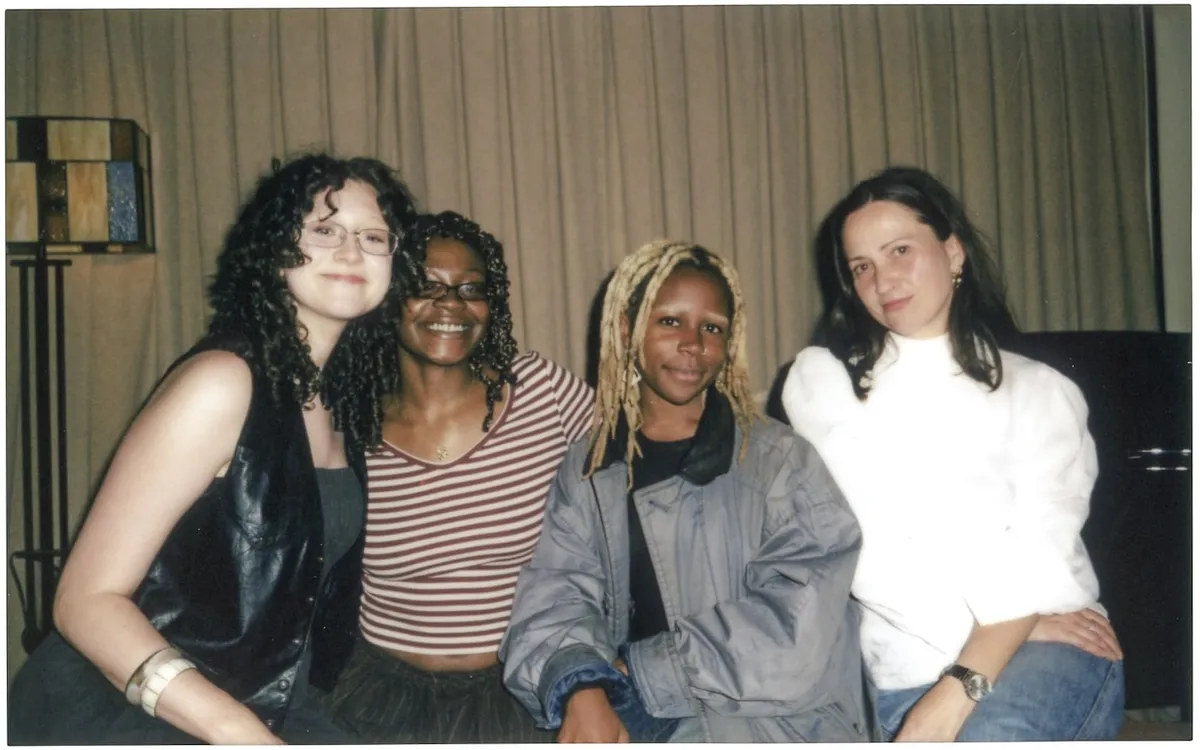
It's heady stuff, and it's exactly the kind of ideas that a recent Bodies of Power panel, as covered by Dazed, put front and centre. The event brought Lorde's thinking into a modern context, exploring what it means to live in your body as a site of strength rather than something to be managed, corrected, or performed.
Why Lorde's ideas feel so urgent right now
There's a reason this essay keeps coming back. In an era of relentless productivity culture, algorithmic beauty standards, and the pressure to optimise everything - including yourself - Lorde's insistence that unexpressed feeling is wasted power lands differently. It's almost countercultural.
The erotic, as she defines it, isn't just about sexuality. It's about the full depth of your inner life - the things you feel but don't always say, the instincts you talk yourself out of, the joy you don't let yourself fully inhabit. Reclaiming that isn't navel-gazing. According to Lorde, it's political.
The conversation we actually need
Panels like this one matter because they take ideas that live in academic essays and bring them into the room with real people. When writers, artists, and thinkers sit together and ask questions like "whose bodies are considered powerful, and why?" - it stops being abstract.
The Dazed piece notes that editorial intern Kara Shanahan was first introduced to Lorde's essay through a writer at the event, which is itself kind of beautiful. That's how important texts survive and spread - not just through syllabuses, but through people passing them to each other like something precious.
What to take away
You don't need to have attended the panel to sit with its central question: where in your life are you operating from a place of disconnection from your own feeling? And what might shift if you didn't?
Lorde wrote that "there are many kinds of power, used and unused, acknowledged or otherwise." The unused kind is worth thinking about. Not as a self-help prompt, but as a genuine provocation - one that's been sitting in a 1978 essay, waiting for more people to find it.