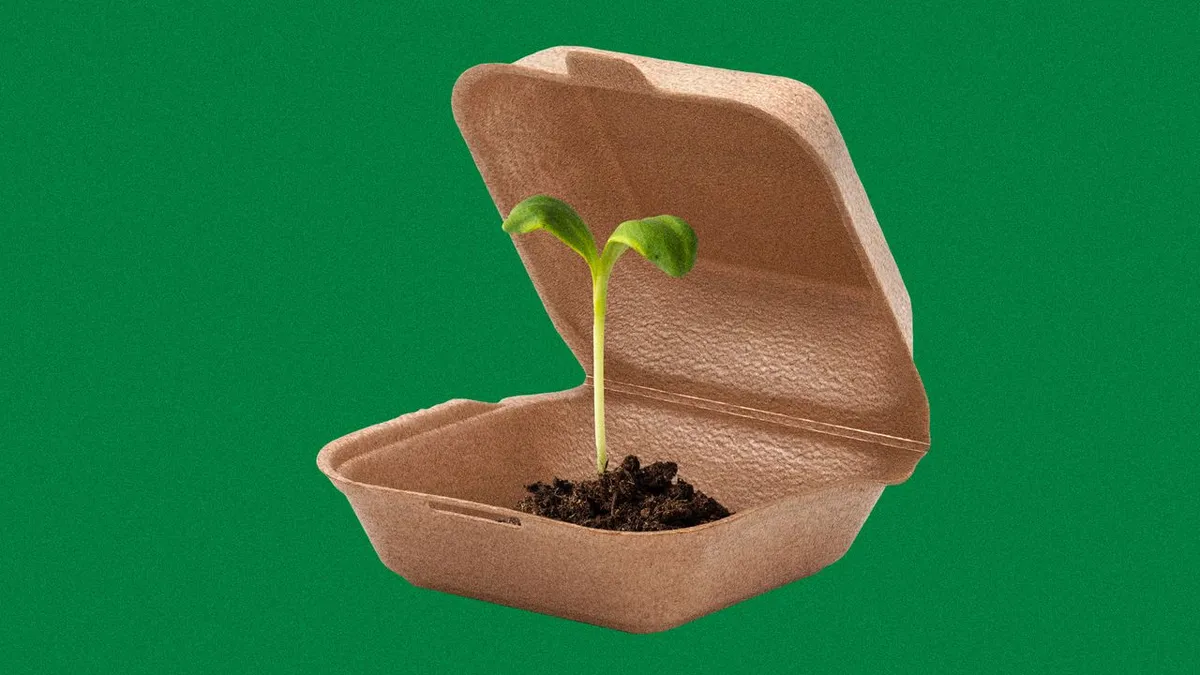
You've seen it everywhere lately. Coffee cups, takeout containers, snack wrappers - all proudly stamped with the word "compostable." It feels like progress, and reaching for those products feels like the right thing to do. But as Bon Appétit recently explored, the compostable label is a lot more nuanced than most of us realize.
What the label actually means
"Compostable" isn't just a feel-good marketing term - it does have a real definition. Compostable materials are designed to break down into organic matter under the right conditions. The catch? Those conditions are very specific, and your backyard bin probably isn't going to cut it.
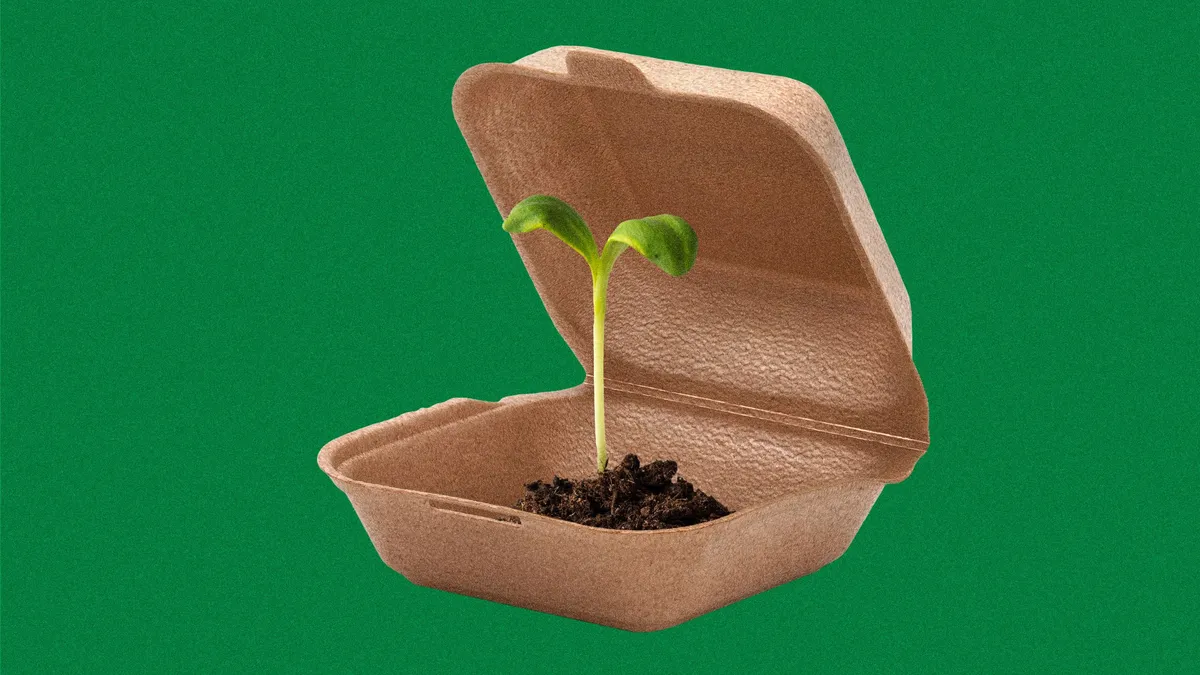
Most compostable packaging is certified for industrial composting facilities, where temperatures run much higher than anything you'd achieve at home. Without that controlled environment, a "compostable" cup could sit in a landfill just as long as a regular plastic one. So the packaging isn't lying to you, exactly - it just isn't telling you the full story.
The infrastructure problem
Here's where things get genuinely tricky. Even if you're motivated to do the right thing, access to industrial composting varies wildly depending on where you live. Many cities simply don't have the facilities, and even where curbside composting exists, not all programs accept compostable packaging. Some facilities actually reject it if they can't verify the certification.

That means a product designed to be better for the planet could easily end up in the trash anyway - not because you made a mistake, but because the system hasn't caught up with the packaging.
What you can actually do
None of this means compostable packaging is pointless - it's genuinely better in the right circumstances. But it does mean a little homework goes a long way.
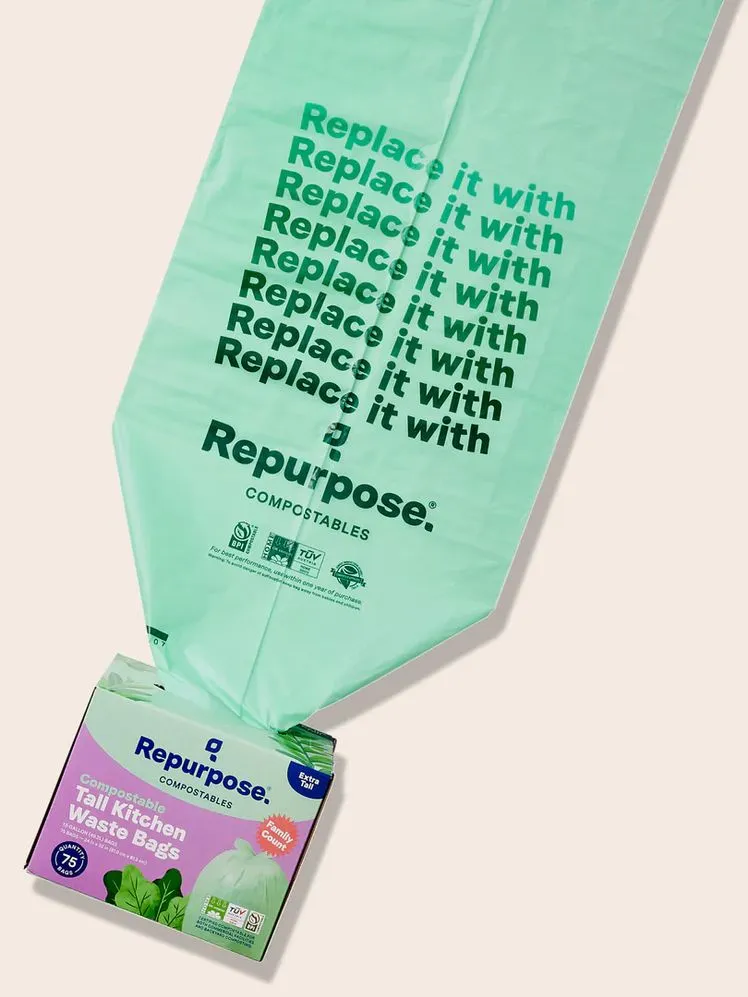
- Check whether your city or local composting service accepts certified compostable packaging (look for the BPI certification logo as a starting point).
- If you have access to a drop-off composting facility, that's often your best bet.
- Don't assume "compostable" means it can go in your home compost without checking the specific product first.
The bigger takeaway is that sustainable packaging still requires a sustainable system around it. Compostable materials are a piece of the puzzle, not a complete solution. Being a thoughtful consumer means understanding that difference - and pushing for better infrastructure in your community, not just better labels on your lunch.
It's a little frustrating, sure. But knowing the reality puts you ahead of most people still tossing that compostable fork into recycling and hoping for the best.