

Whoop has always been about knowing your body better than anyone else in the room. Heart rate variability, sleep stages, recovery scores - the brand built its reputation on obsessive data collection from your wrist. Now it wants to add blood to that picture.
According to Lifehacker, Whoop has launched specialized blood testing panels, a move that signals the company is serious about becoming a full-spectrum health platform rather than just a clever piece of hardware you strap on before bed.
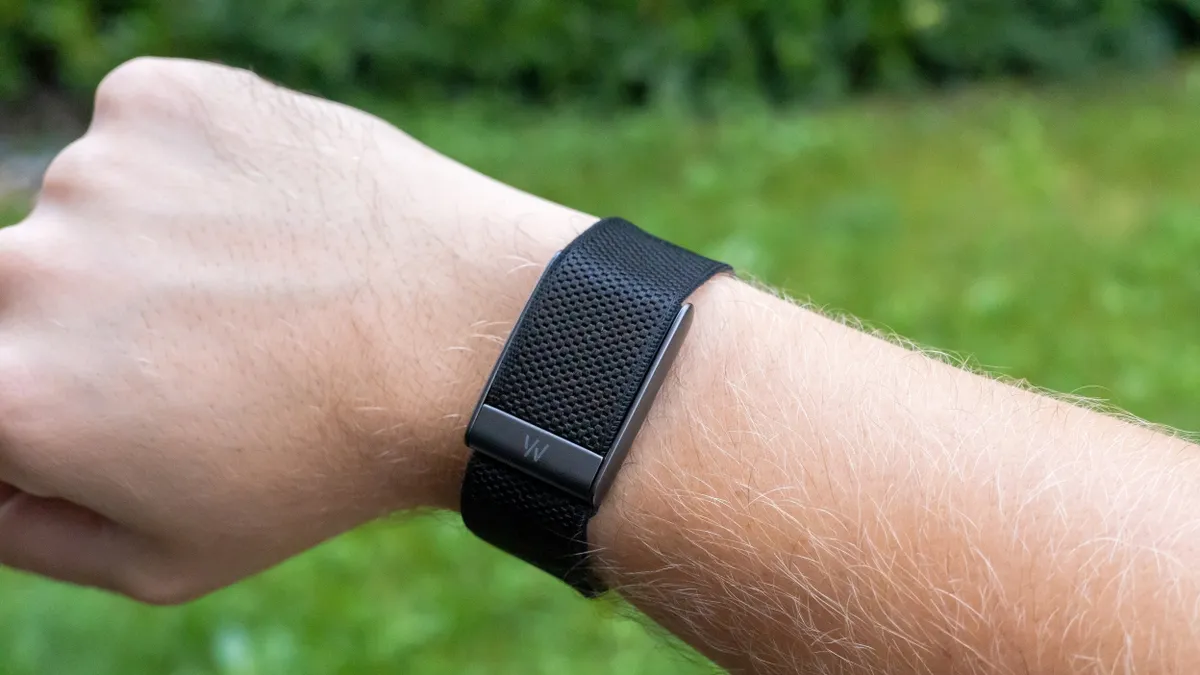
Why this matters beyond the novelty
Here's the thing about wearables: they're brilliant at tracking patterns over time, but they can only tell you so much. Your Whoop can flag that your recovery is tanking week after week, but it can't tell you whether low iron, a sluggish thyroid, or vitamin D deficiency is the actual culprit. Blood work can. Combining the two creates something genuinely more useful than either on its own.
This is the gap Whoop is clearly trying to close. If you're already living inside the Whoop ecosystem - trusting it to guide your training, sleep, and stress management - having blood test results feed into that same picture is a logical and compelling next step.

The bigger trend at play
Whoop isn't alone in pushing this direction. The line between consumer wellness tech and clinical health tools has been blurring for a while now. Apple Watch added ECG capabilities. Continuous glucose monitors went from diabetes management tools to biohacking accessories. Functional medicine and preventive health testing have gone from niche interests to genuine lifestyle categories for a growing slice of the 25-45 crowd.
Blood testing, once something you only did when a doctor ordered it, is increasingly something people are seeking out proactively. Companies like Function Health and Everlywell have already been building businesses around this appetite. Whoop entering the space with panels designed specifically for its user base - athletes, high performers, people who genuinely want to optimize - makes a lot of sense strategically.

What to keep in mind
More data isn't automatically more clarity. The value of blood testing really depends on understanding what the results mean and what to do with them. If Whoop can contextualize those results alongside your wearable data in a way that's actually actionable, that's exciting. If it's just another dashboard to scroll through, less so.
Still, the direction is hard to argue with. For anyone already invested in understanding their health at a granular level, the idea of your fitness tracker and your bloodwork talking to each other is exactly the kind of integration that makes the whole system smarter. Whoop is betting its users feel the same way.