Here's a fun fact that will ruin your morning coffee: in the summer of 1854, 500 people died of cholera in a single London neighborhood in just 10 days. The city had ballooned to 2.3 million people, its sewage system was basically a suggestion, and nobody knew what was actually killing everyone. Sound familiar? It should.
Because right now, in 2026, we are watching an active Ebola outbreak unfold in the Democratic Republic of Congo - and according to Vox, we still don't know how it started. Not "we have a rough idea but are still investigating." We mean genuinely, frustratingly, dangerously don't know.
Why the origin story matters so much
This isn't just academic curiosity or the plot of a mediocre thriller. Knowing where an outbreak begins is basically the entire playbook for stopping it. If you don't know whether Ebola jumped from an animal to a human, spread through a funeral ritual, or emerged from some other transmission pathway, you can't build the right containment strategy. You're essentially trying to plug a leak without knowing where the pipe is.
The parallel to the 1854 cholera outbreak is almost uncomfortably apt. Back then, physician John Snow famously tracked the source to a single contaminated water pump on Broad Street - and removing the pump's handle is now one of the most legendary moments in public health history. The lesson wasn't just "gross water bad." It was that finding the source is everything.

What's happening on the ground
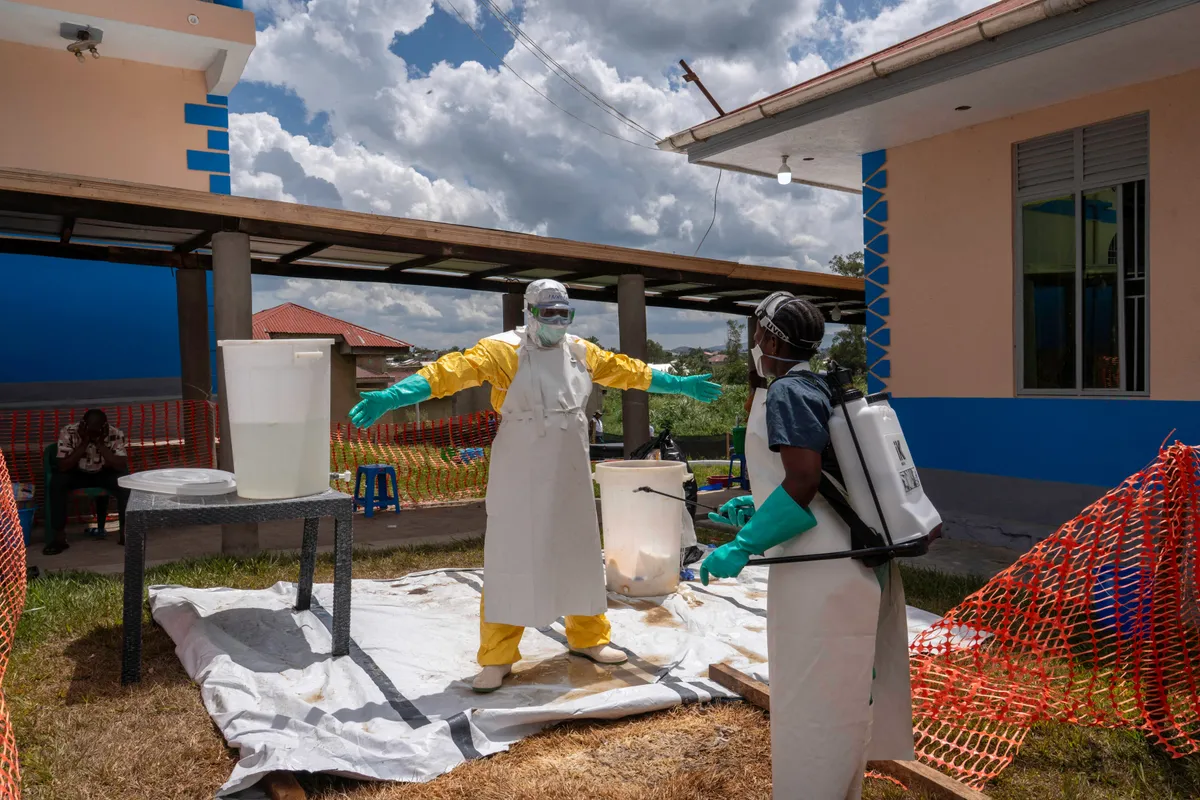
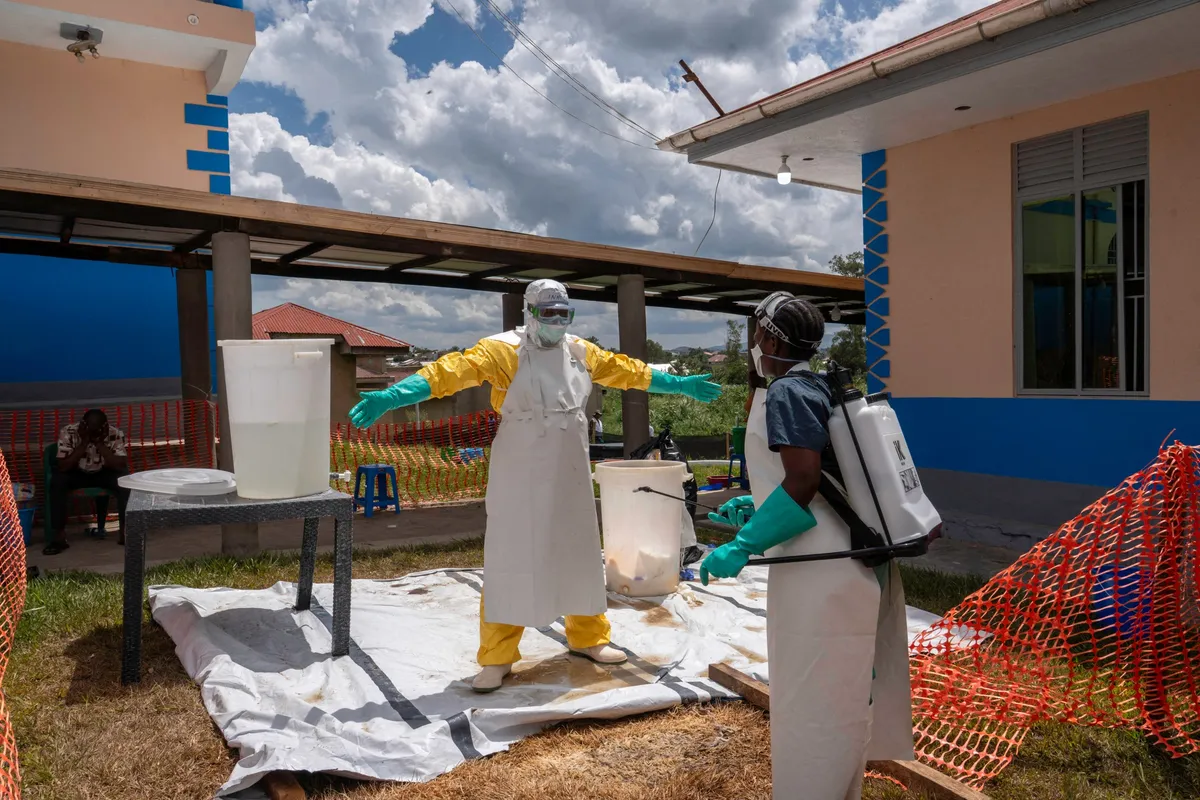
Doctors Without Borders (MSF) personnel are currently working at the Elikya clinic Ebola treatment center in Bunia, in eastern DRC, being sprayed with disinfectants every time they leave patient rooms. That image alone - healthcare workers in full gear being hosed down in a clinic in June 2026 - tells you this is not a drill.
And yet, the origin of the outbreak remains unknown. That gap in knowledge isn't just a scientific inconvenience. It is a direct obstacle to the people trying to stop more deaths.

The uncomfortable takeaway
We live in an era of smartphones, satellite imaging, and mRNA vaccines developed at warp speed. And we still can't reliably answer the most basic question in outbreak response: where did this come from?
The 1854 cholera crisis eventually got its answer because one doctor refused to accept "we just don't know" as good enough. Right now, researchers and health workers in DRC are trying to do the same thing - under far more chaotic and dangerous conditions.
Let's hope they find their pump handle before the body count forces the world to finally pay attention.