You know that feeling when you take 47 selfies and only one is usable? Peter Hujar felt that. Probably. The difference is that his "usable one" ended up defining the visual soul of downtown New York, and yours is a slightly-less-blurry version of the same bad angle.
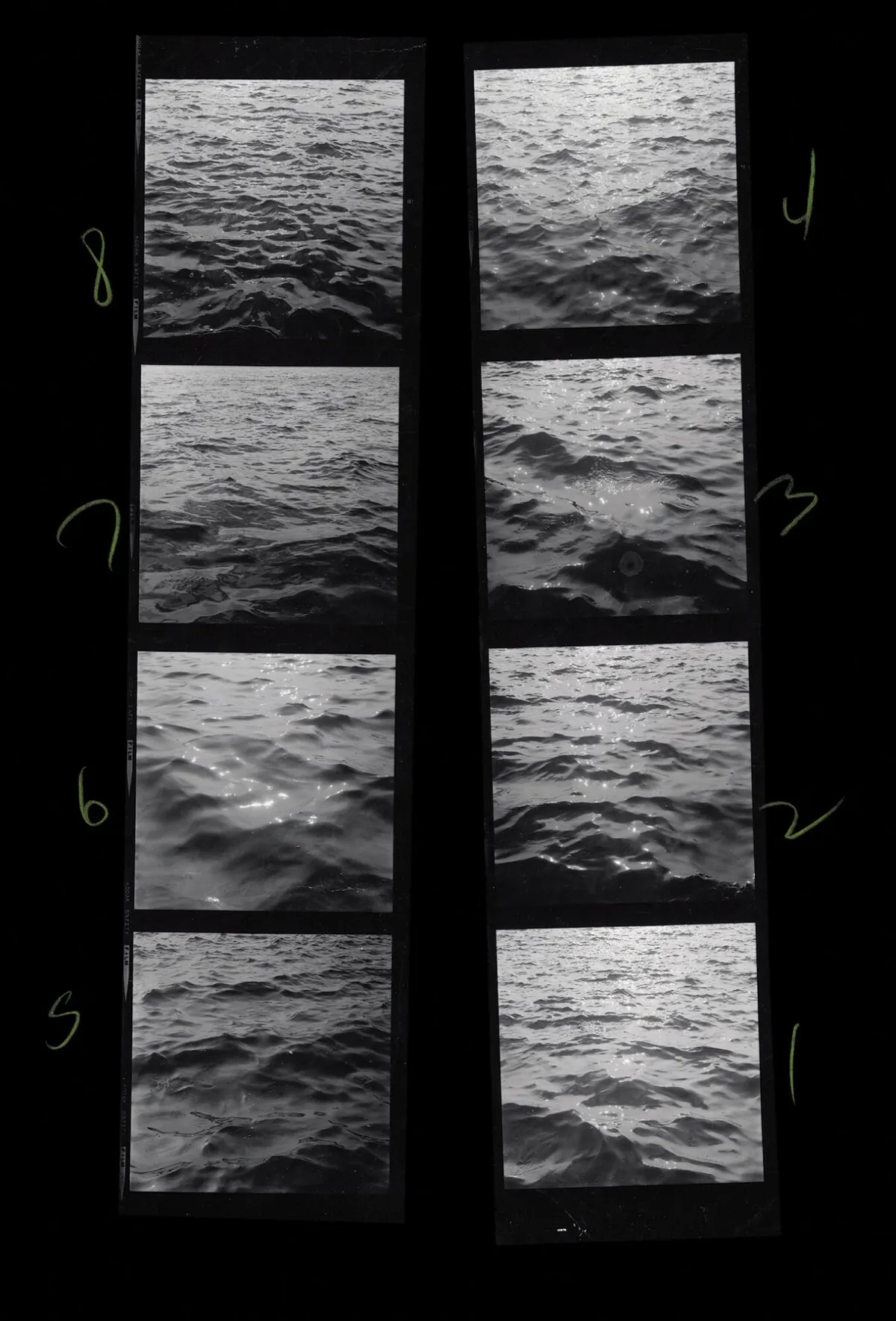
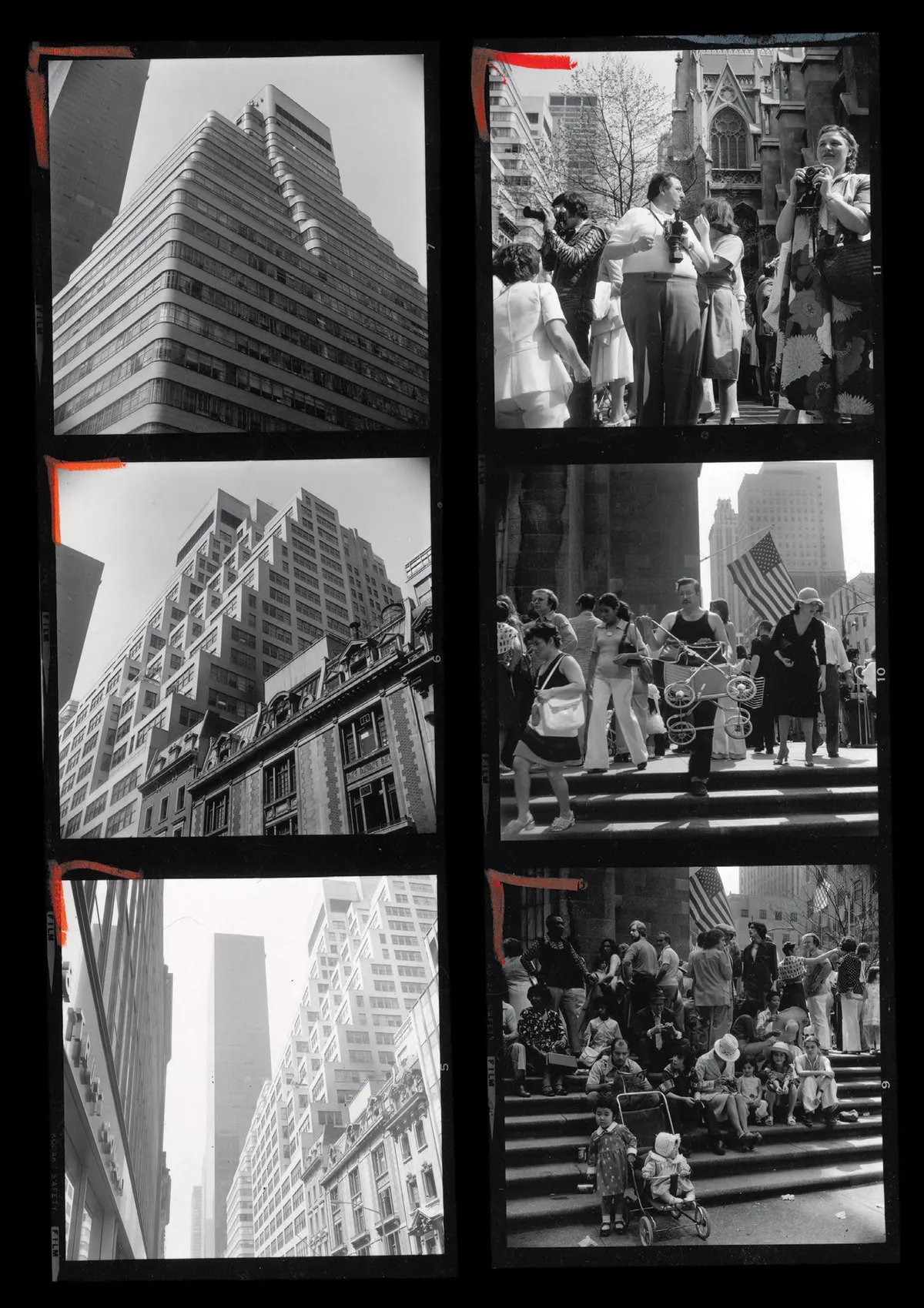
A new exhibition and accompanying book, Hujar: Contact, pulls back the curtain on the late photographer's creative process by showcasing something rarely seen in the polished world of fine art photography - the contact sheets. The befores. The almosts. The "ugh, his eyes were closed" frames that never made the cut.

Why contact sheets are actually the good stuff
Contact sheets are the raw, unedited film strips photographers use to review an entire roll of shots before selecting the final image. They're essentially a photographer's search history - intimate, revealing, and not really meant for public consumption. Seeing them is like reading someone's diary entries before they became a published novel.
For Hujar, whose portraits of artists, drag queens, animals, and New York's LGBTQ+ underground community became culturally iconic, the contact sheets reportedly reveal the rhythm and tension of his sessions. You can see him working toward that decisive moment, frame by frame.
Who was Peter Hujar, anyway?
If you don't know the name, fix that immediately. Hujar (1934-1987) was a New York City photographer who captured the gritty, electric, and deeply human side of downtown Manhattan during one of its most turbulent and creative eras. He shot Susan Sontag. He shot drag performers and punk musicians. He shot dying friends during the AIDS crisis with unflinching love and dignity.
His work wasn't just photography - it was a kind of witness. And now, thanks to Hujar: Contact, as reported by i-D, we get to see how that witnessing actually worked behind the scenes.
The outtakes that change everything
There's something genuinely moving about seeing the frames surrounding a famous image. They humanize the process in a way that a single perfect print never can. Suddenly the subject seems more real - fidgeting, adjusting, existing - rather than frozen in iconic stillness.
It also reminds you that great photography isn't just about having a good eye. It's about patience, about volume, about choosing. The edit is the art.
Whether you're a photography nerd, a New York history obsessive, or just someone who appreciates being shown the mess behind the masterpiece, Hujar: Contact sounds like the kind of exhibition that rewards actual looking rather than a quick Instagram story and a dash to the gift shop.
Go slow on this one. It's worth it.