You've heard the pitch a thousand times. The restaurant sources its tomatoes from a farm twenty minutes away. The cheese board is all regional. The bread? Milled locally, obviously. And yet, you flip to the drinks menu and find the same global wine list, the same recognizable spirits brands, the same options you could order anywhere from Austin to Amsterdam.
According to a piece in Bon Appétit, this inconsistency is a real and growing tension in the hospitality world. If restaurants and hotels are meant to be ambassadors of their home turf, the beverage program is often where that mission quietly falls apart.
The farm-to-table gap
The local food movement has had decades to build its case, and it's won. Diners now actively seek out menus that reflect a sense of place. They want to taste where they are - not just eat well. But drinks have lagged behind, and it's not always clear why.
Part of it is familiarity. Beverage programs often default to what sells easily and what guests recognize. A bottle of Whispering Angel moves without much explanation. A locally produced pét-nat from a small regional winemaker? That takes a little more work from the staff, a little more patience from the guest.

But that's exactly the kind of storytelling that makes a dining experience memorable.
Why it matters more than you'd think
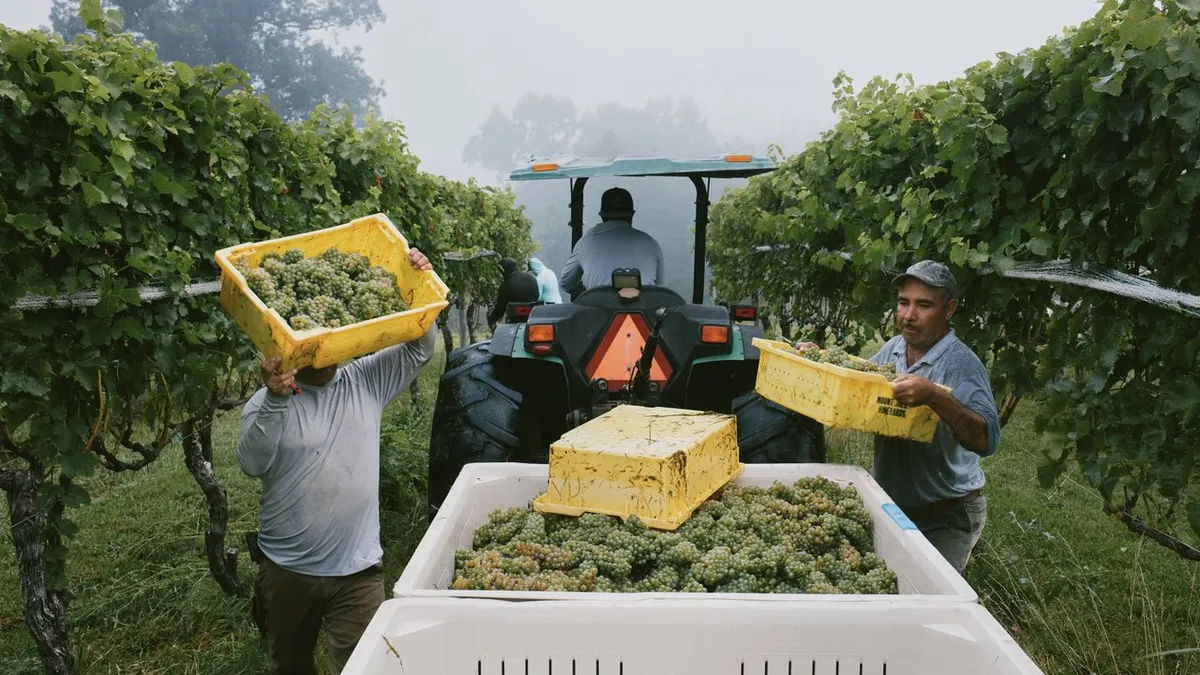
Drinking locally isn't just a philosophical stance - it has real, tangible benefits. Regional breweries, distilleries, and wineries are often small operations where the economics are tight. A placement on a hotel bar menu or a restaurant list can be genuinely transformative for those producers.

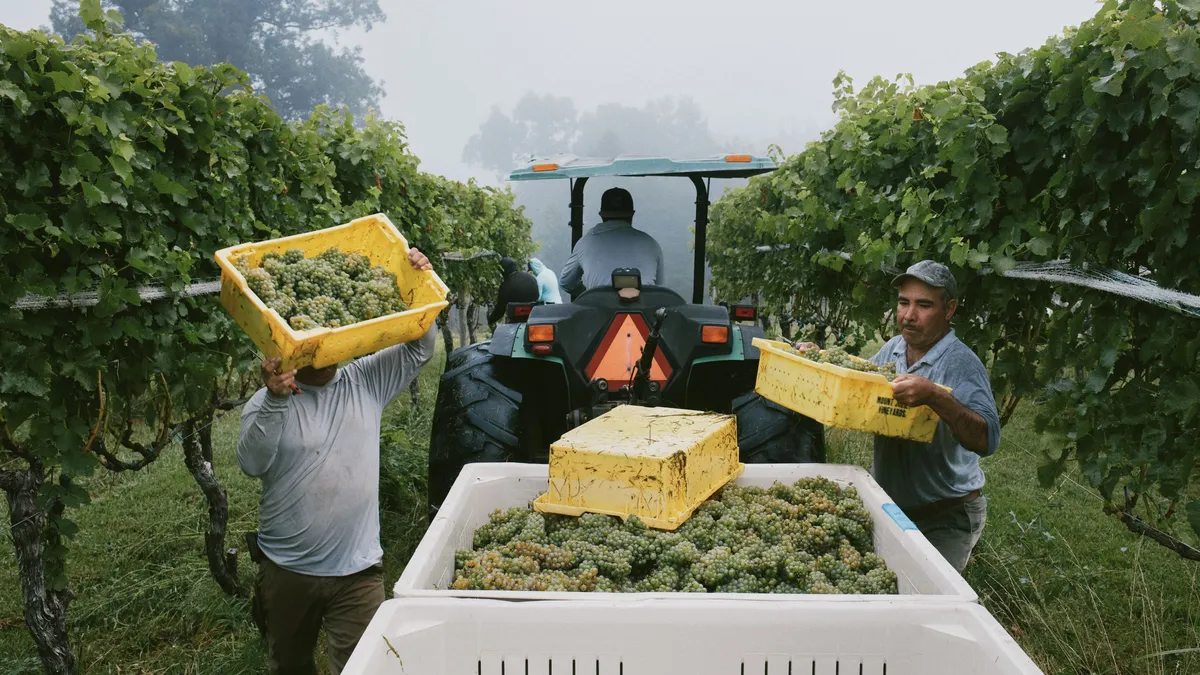
There's also the freshness factor. Local beers don't travel far. Local wines reflect the actual terroir of the region, not a standardized international style. And spirits made nearby often tell a story rooted in the landscape, the climate, and the culture that surrounds the very place you're visiting.
What to look for - and ask for
Next time you sit down to eat, it's worth glancing at the drinks list with the same scrutiny you'd apply to the food menu. Are there regional wines? Any local spirits? A craft beer from a nearby brewery?
And if you don't see any, ask. Restaurants respond to what guests show interest in. The more people ask for local options, the more reason those lists have to evolve.
The food world figured this out. The drinks world is catching up - slowly. But the best bars and restaurants are already there, and they're making the experience richer for it.