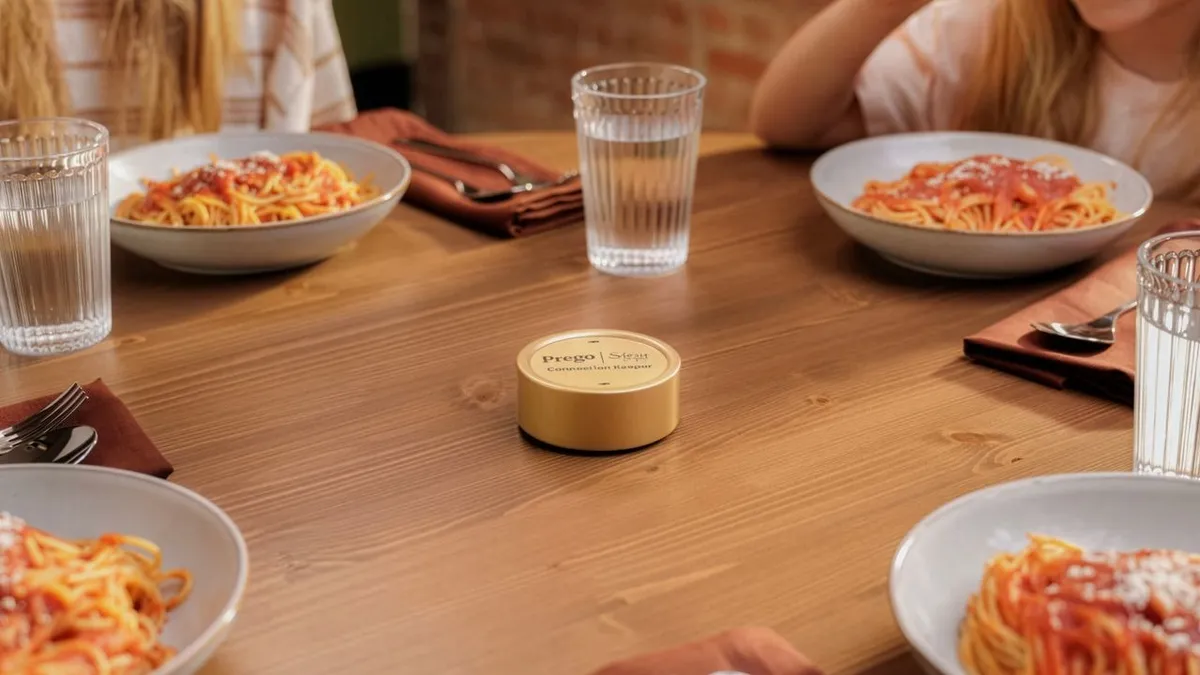
You probably didn't expect your jarred marinara to come with a side of ambient audio recording. But according to a report from Bon Appétit, Prego - yes, the pasta sauce - has been exploring ways to capture and analyze consumer conversations. And honestly, it's the kind of thing that deserves more than a passing scroll.
What's actually going on here
The details, as laid out by Bon Appétit, point to a broader trend of food and consumer brands pushing deeper into data collection in ways that feel less like market research and more like something out of a privacy advocate's nightmare. Recording conversations - even in limited or opt-in contexts - is a significant step beyond loyalty apps and purchase history tracking.
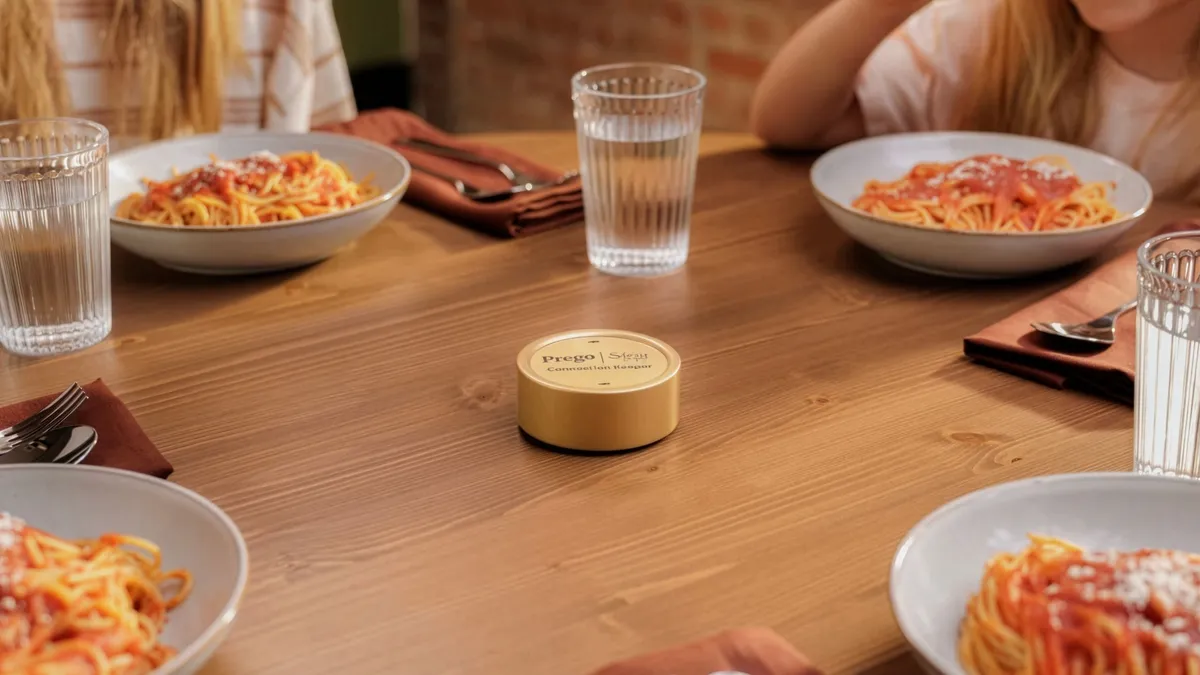
For a brand that lives on grocery store shelves and kitchen pantries, it signals just how aggressively companies are looking to understand not just what you buy, but how you talk about what you eat, what you're cooking on a Tuesday night, and what words come up around the dinner table.
Why it matters beyond the pasta aisle
This isn't just a quirky corporate footnote. It fits into a wider conversation happening right now about consumer data, audio privacy, and who actually owns the casual moments of your daily life. Most of us have quietly accepted that our phones listen to us - or at least feel that way sometimes - but a sauce company actively leaning into that territory feels like a line worth noticing.

There's also the trust angle. Food brands, especially nostalgic pantry staples, trade heavily on comfort and familiarity. The moment that relationship starts feeling transactional in a surveillance-y way, something shifts.
The bigger food world context
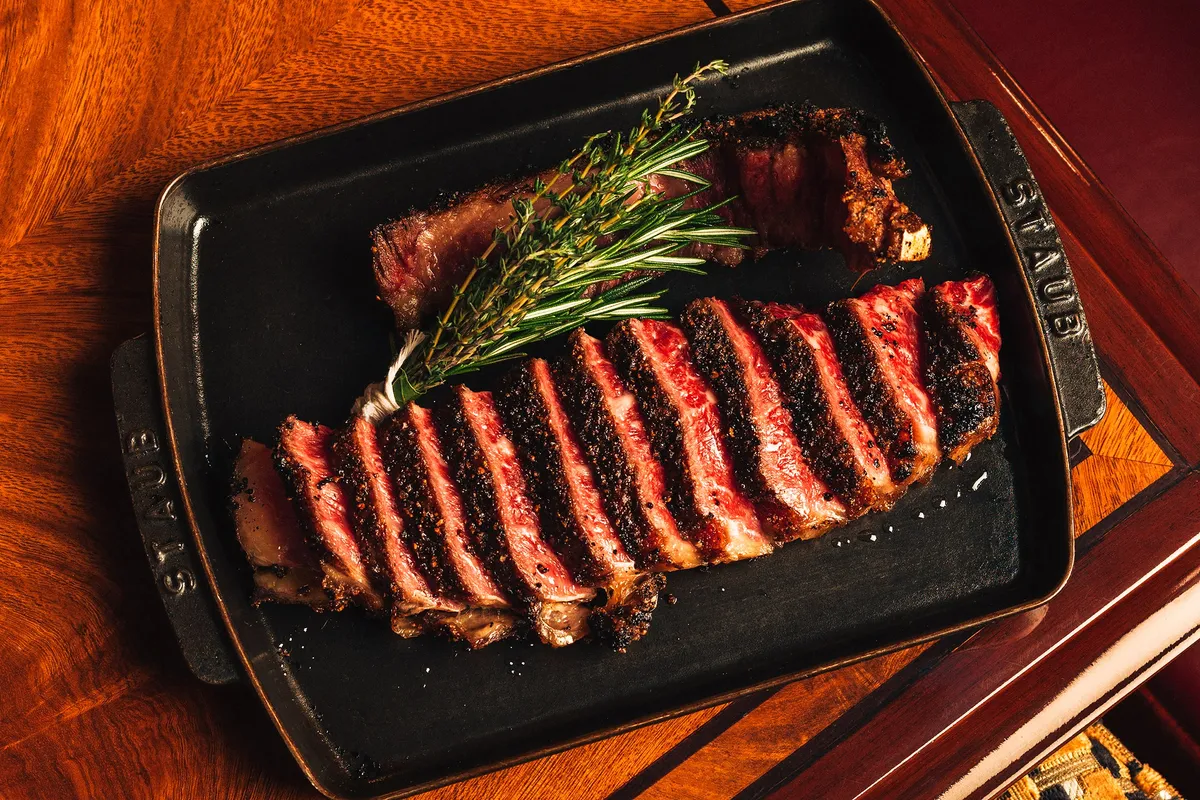
Bon Appétit's report also touches on a few other food-world stories worth keeping on your radar - including discourse around shoplifting at grocery stores, questions about the integrity of wagyu beef labeling, and the uncertain future of lab-grown meat actually making it onto restaurant menus. Together, these threads paint a picture of an industry navigating a lot of competing pressures: consumer trust, product authenticity, and the slow-moving reality of food innovation hitting regulatory and commercial walls.
Lab-grown meat in particular has had a fascinating and bumpy ride from science-fair novelty to genuine restaurant contender - and it sounds like that road just got a little longer.
None of these stories are simple, but they're all asking versions of the same question: in the food industry right now, who's really in control - the consumer or the company? Spoiler: the answer is getting more complicated by the day.