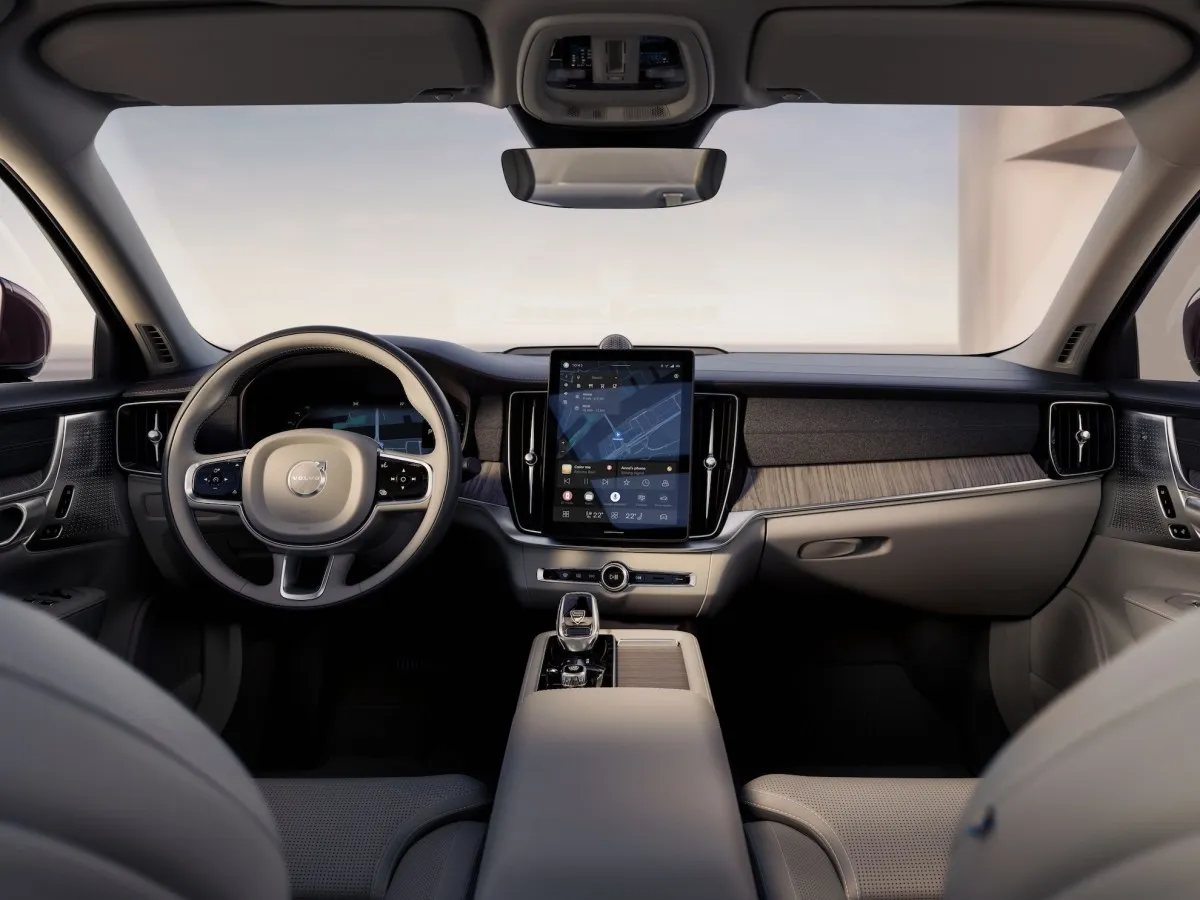
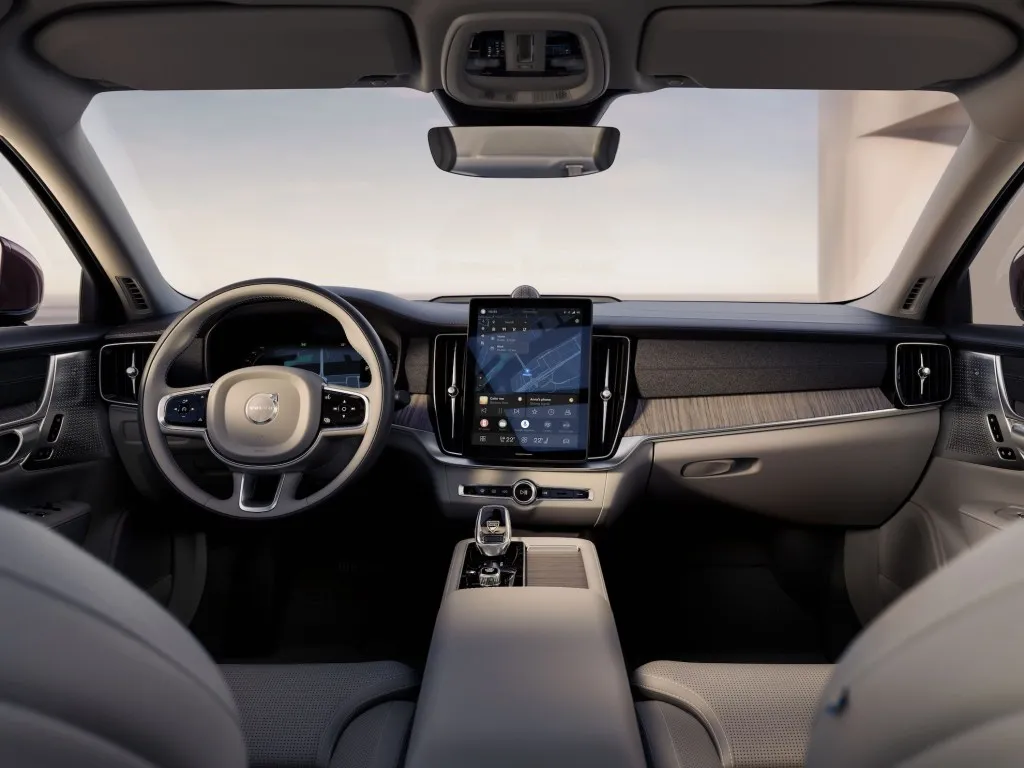
In a plot twist that would confuse a geopolitical science professor, the Trump administration has given Volvo the green light to continue selling its connected vehicles in the United States. Yes, the same administration that has been playing hardball with anything bearing a "Made in China" label just handed a waiver to a brand that is majority-owned by China's Geely Holdings. Buckle up.
Wait, Volvo is Chinese?
Sort of. Volvo is Swedish in spirit, Geely-owned in reality, and apparently American enough in practice to get a pass from Washington. The company confirmed the news and wasted zero time announcing it can now move forward with expansion plans for its U.S. factory in South Carolina. Jobs, investment, ribbon-cutting ceremonies - the whole nine yards.
For context, "connected cars" are vehicles that communicate with the outside world via the internet - think over-the-air software updates, real-time traffic data, and all the features that make your car feel like a smartphone on wheels. They also happen to be exactly the kind of technology that U.S. regulators have been sweating over when it comes to Chinese-linked hardware and software. Data security concerns are very real, and Washington has not been shy about saying so.
So why did Volvo get a pass?
That is the fun part - we do not fully know yet. The Trump administration's decision suggests Volvo cleared whatever bar has been set for connected vehicle technology from companies with Chinese ownership ties. Whether that is because of the brand's European operational structure, the American manufacturing footprint, or some very good lobbyists, is anyone's guess at this stage.
What we do know, per reporting from TechCrunch, is that Volvo is treating this as a genuine runway for growth in one of the world's most competitive auto markets. The South Carolina plant - which already produces vehicles for the U.S. market - is apparently ready to scale up.
Why this actually matters
This is not just a Volvo story. It is a preview of how the U.S. government plans to handle the increasingly messy overlap between Chinese capital, European brands, and American roads. The connected car space is booming, and almost every major automaker has some thread that leads back to Chinese investment or supply chains.
If Volvo got a waiver, others will be watching very closely to understand exactly what the playbook looks like. Consider this the canary in the coalmine - a very stylishly designed, leather-seated, Scandinavian canary.