
Snapchat has decided that maybe, just maybe, teenagers shouldn't be broadcasting their content to the entire internet. Wild take, we know.
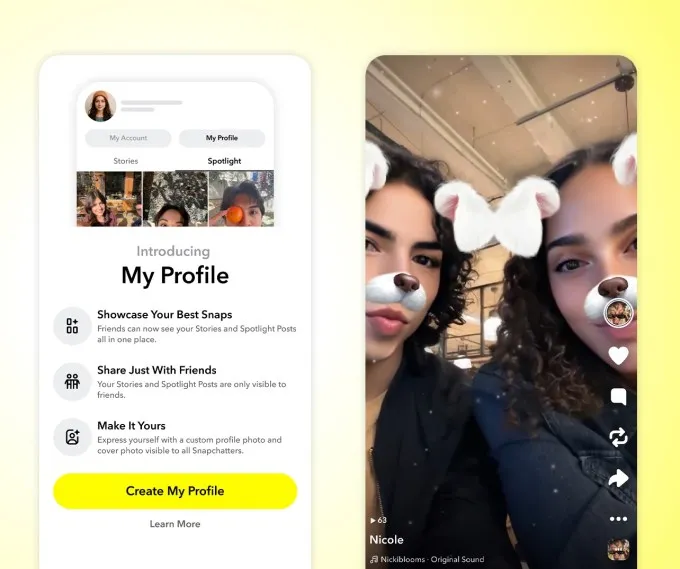
According to TechCrunch, Snapchat is rolling out a separate profile experience for users under 16 years old. The new setup means their Stories and Spotlight posts - Snapchat's short-form video feature - will only be visible to friends they mutually follow. Not strangers. Not randos. Not that one guy with a suspiciously empty profile. Just actual friends.
So what actually changes?
The key word here is "mutually." It's not enough to just follow someone - that person has to follow back before a younger user's content becomes visible to them. It's basically the digital equivalent of only talking to people your parents have met, which sounds annoying until you remember why that rule existed in the first place.

Younger users will get a distinct profile that operates under these tighter sharing rules, separating their experience from the wider, wilder Snapchat ecosystem where literally anyone can stumble onto your Spotlight video.
Why this actually matters
Look, we're not going to pretend this is the most thrilling product update in tech history. But the reason it matters is precisely because it's so boring and obvious. The fact that a teenager's public-facing video content was previously accessible beyond their immediate friend group - on a platform where minors are, by definition, present in large numbers - was always a bit of a head-scratcher.
Platforms have been under increasing pressure from regulators, parents, and frankly common sense to stop treating child safety like a feature to ship in version 4.0. The EU's Digital Services Act, various US state-level laws, and a growing chorus of very tired parents have all been nudging social media companies in this direction.
Snapchat isn't alone in making these kinds of moves - Instagram has similar defaults for teen accounts - but every step in this direction is at least a step in the right direction.
The catch, because there's always a catch
None of this is foolproof. Age verification on social platforms remains a glorified honor system in most cases. A determined 15-year-old who claimed to be 22 when signing up isn't going to be caught by this net. But for users who did register accurately, it's a meaningful default protection rather than something buried in a settings menu nobody reads.
Small wins. We'll take them.