If you were wandering through Milan design week this April and stumbled upon something that felt equal parts ancient and completely fresh, there's a good chance it was Uzbekistan's first-ever appearance at the event - and it did not hold back.
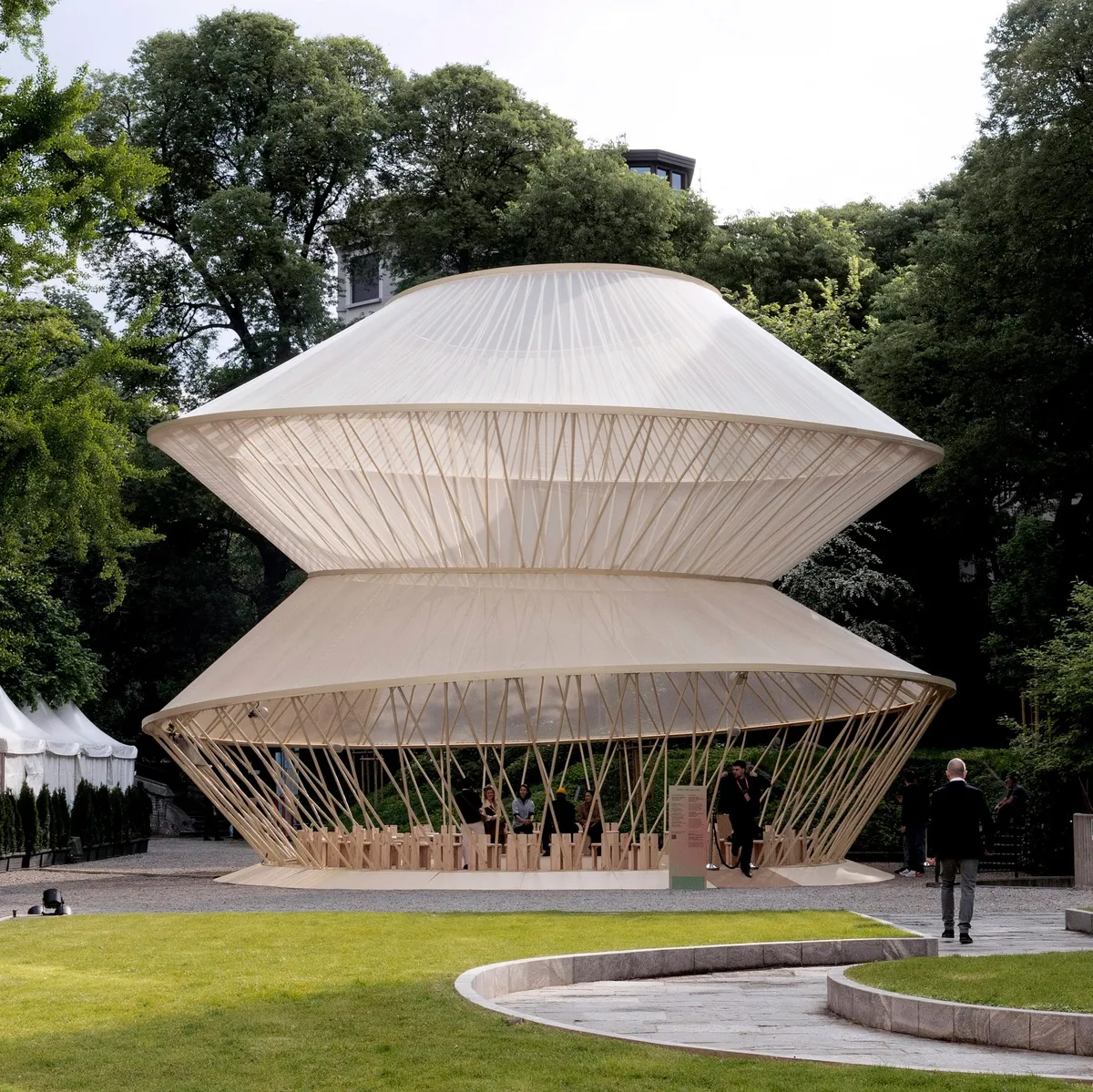
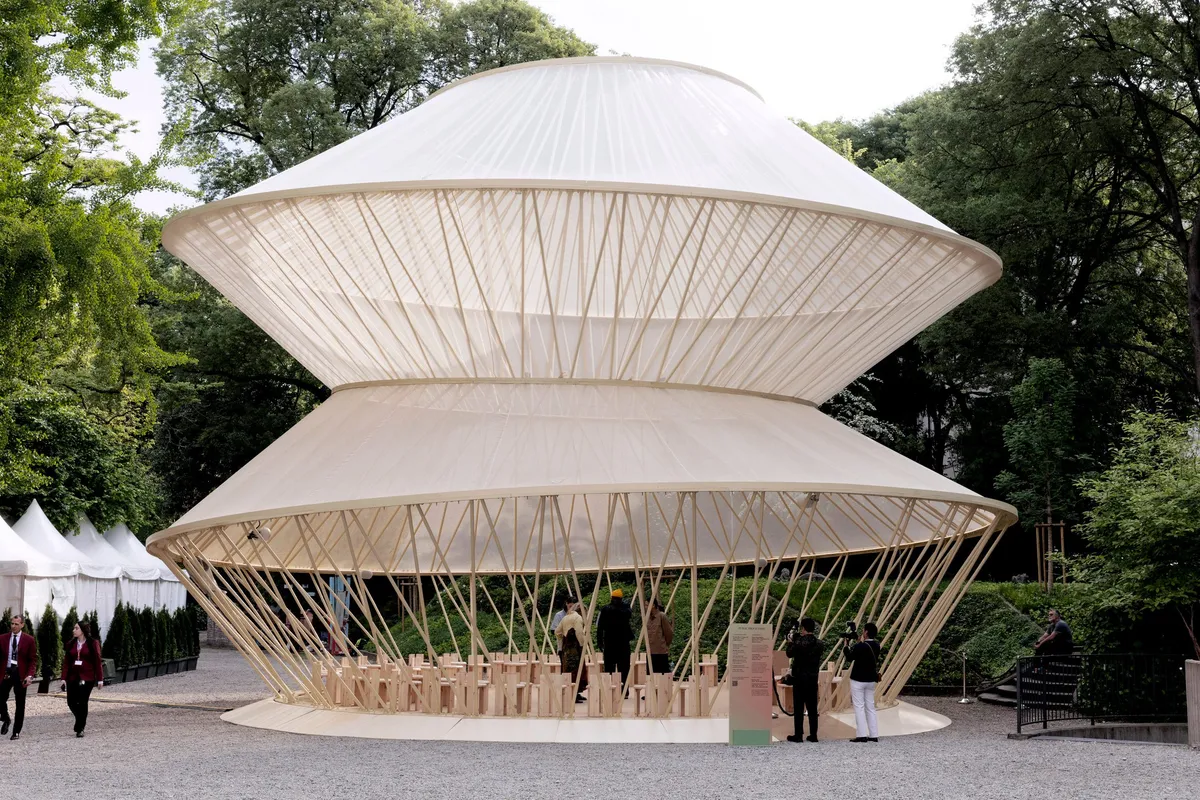
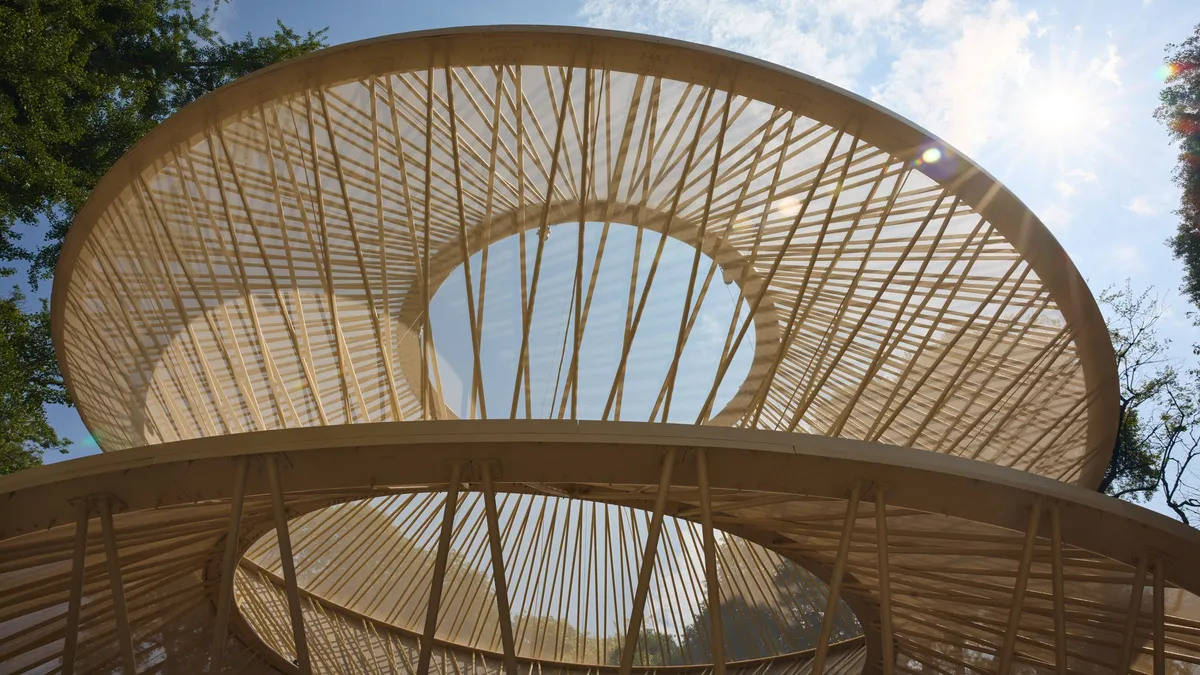
Architect Kulapat Yantrasast unveiled a garden pavilion inspired by a "deconstructed yurt," that iconic circular dwelling of Central Asian nomadic culture, reimagined through a contemporary design lens. The result is the kind of structure that makes you stop scrolling and actually look up.
A debut worth waiting for
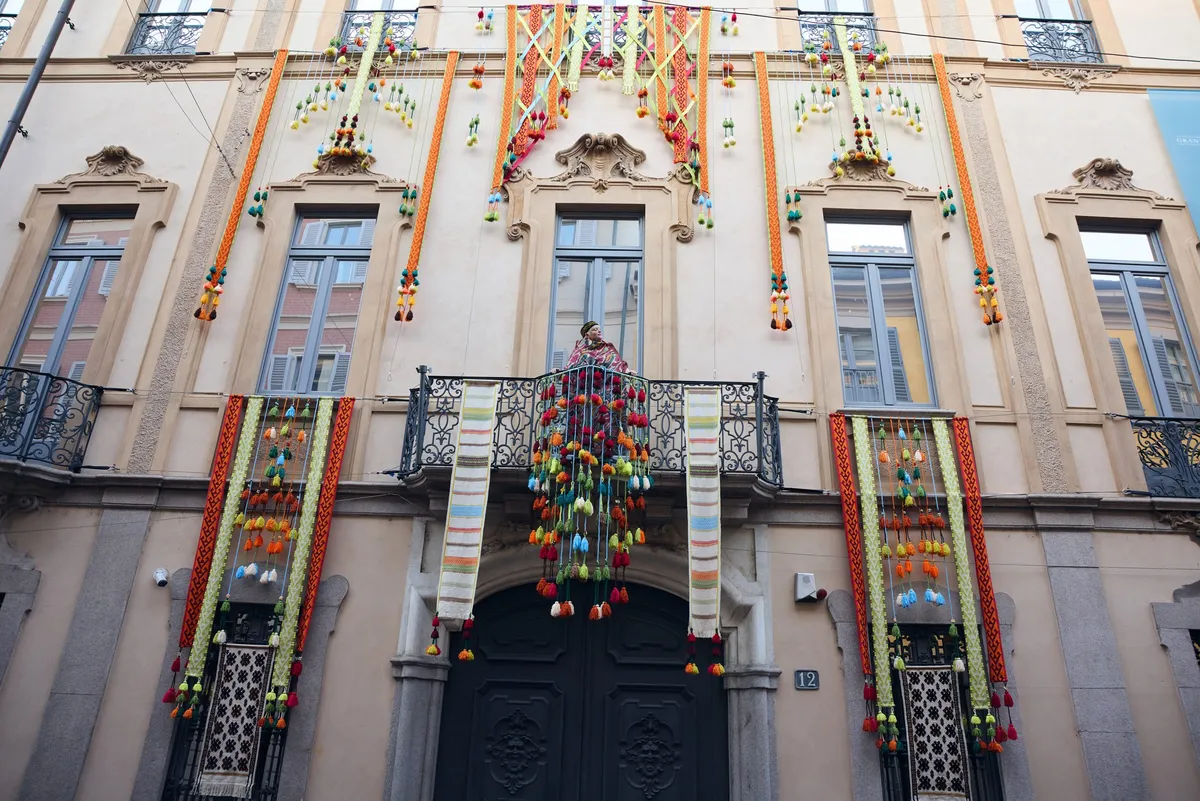
The exhibition, titled When Apricots Blossom, took over Palazzo Citterio from April 20 to 26, according to Dezeen. For a country with as rich a cultural heritage as Uzbekistan - sitting at the crossroads of ancient Silk Road trade routes - it feels almost surprising that this is its Milan design week debut. But first impressions clearly matter here, because the show goes deep.
Beyond the striking pavilion, the exhibition explores Uzbek craft traditions alongside something you might not expect to find at a design fair: bread-making. Specifically, the practices around Uzbek bread, which carries enormous cultural weight in the region. Bread isn't just food in this context - it's ceremony, community, and identity baked into every loaf.
Why this matters beyond the aesthetics
Milan design week has long been a place where countries use design as a form of cultural diplomacy, and Uzbekistan's entry feels particularly well-timed. There's a growing appetite among design audiences for work that draws on non-Western traditions without flattening them into mere decoration.
The deconstructed yurt concept is a smart entry point. It takes something deeply recognizable within Central Asian culture and opens it up - literally and conceptually - inviting viewers into a conversation rather than just presenting a spectacle. Pairing that architecture with the tactile, everyday ritual of bread-making grounds the whole exhibition in real human experience.
It's the kind of show that reminds you why design weeks still matter: not just for the product launches and networking, but for those moments when a country introduces itself to the world through the things it makes and the way it lives.
If apricot season in Uzbekistan is even half as evocative as this exhibition sounds, consider adding Tashkent to your travel list.