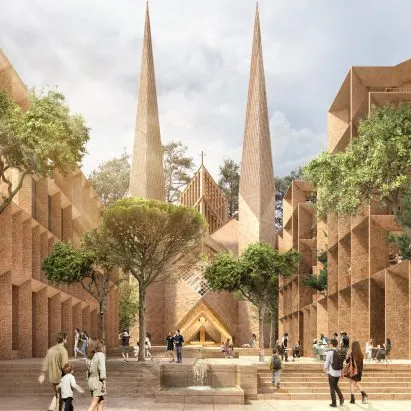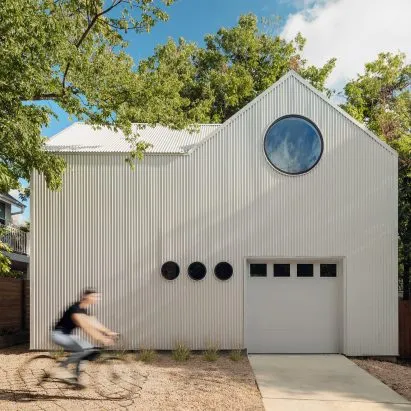
If you've noticed a stylish little studio tucked behind a neighbor's house or a sleek garage conversion down the street, you've already spotted one of the most quietly revolutionary trends in American housing. Accessory dwelling units - better known as ADUs - are having a serious moment, and for very good reason.
What's driving the ADU boom?
A roundup published by Dezeen highlights ten American ADUs spanning the country, from California to Kansas, and the variety on display is genuinely impressive. These aren't just glorified sheds. We're talking thoughtfully designed, fully functional living spaces that slot into existing neighborhoods without requiring a single square foot of new urban sprawl.
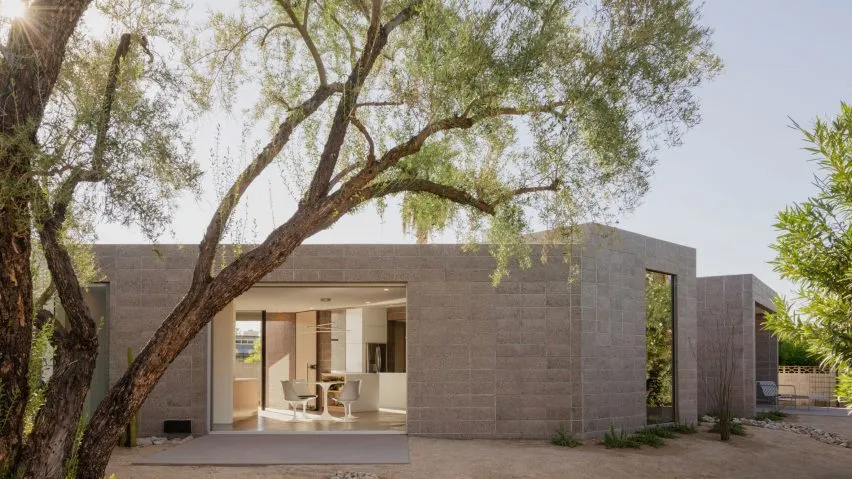
The shift has a lot to do with legislation. California led the charge as the first US state to pass laws actively embracing ADUs, and other states have followed with their own updated regulations. When zoning rules loosen up, creativity tends to rush in - and that's exactly what's happening here.
More than just a housing fix
It's easy to frame ADUs purely as a response to the housing crisis, and they absolutely are part of that conversation. Infill development - building on underused land within existing urban areas rather than expanding outward - is one of the more practical tools cities have right now. ADUs let homeowners add density to established neighborhoods without demolishing what's already there.
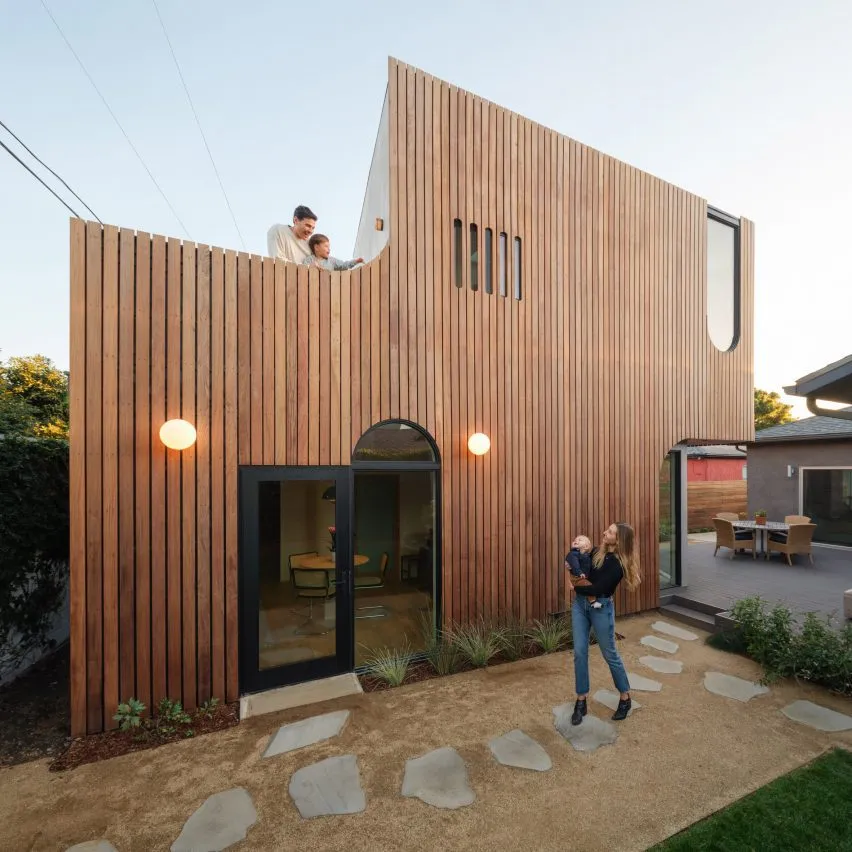
But the appeal goes well beyond crisis management. ADUs are increasingly being used as multigenerational living spaces, letting families house aging parents close by while maintaining independence. They work as long-term rental income for homeowners. They serve as home offices, artist studios, or guest accommodations. The versatility is kind of the whole point.
Design that actually matters
What makes the Dezeen showcase particularly worth a look is how seriously these projects take design. Good architecture isn't reserved for big budgets and sprawling properties - these compact spaces prove that thoughtful design can transform even the tightest footprint into something genuinely livable and beautiful. Clever storage, smart use of natural light, and strong indoor-outdoor connections show up repeatedly across the featured projects.
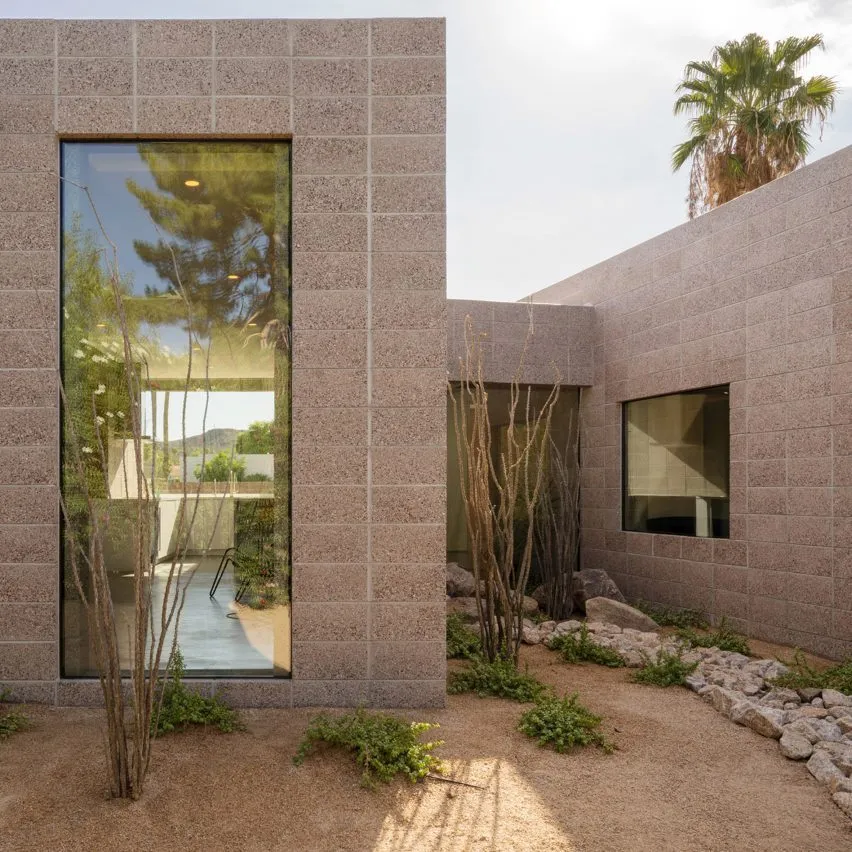
For anyone who owns property and has been quietly wondering whether that underused backyard or garage could do more work, the ADU conversation is worth jumping into. And for renters and city planners alike, these small structures represent something bigger: a more flexible, human-scaled approach to how we think about urban living.
Sometimes the best solutions don't require tearing everything down and starting over. Sometimes they just require looking at what's already there a little differently.