Remember when "killer robots" were a fun thought experiment for UN committees to bat around twice a year in Geneva? Yeah, those days are gone. Like, really gone.
According to reporting by The Verge, researcher Branka Marijan attended a 2017 session of the Convention on Certain Conventional Weapons - the international forum dedicated to lethal autonomous systems - and found it to be pretty much business as usual. Delegates speculating about a future where machines might one day make life-or-death decisions on the battlefield. Hypotheticals all the way down. Nobody was in a rush.
From "what if" to "uh oh"
Here's the thing about moving slowly while technology moves fast: you end up having the wrong conversation entirely. The forum was designed to get ahead of a problem that many thought might never fully materialize. Spoiler - it did. Faster than the diplomatic calendar could handle.
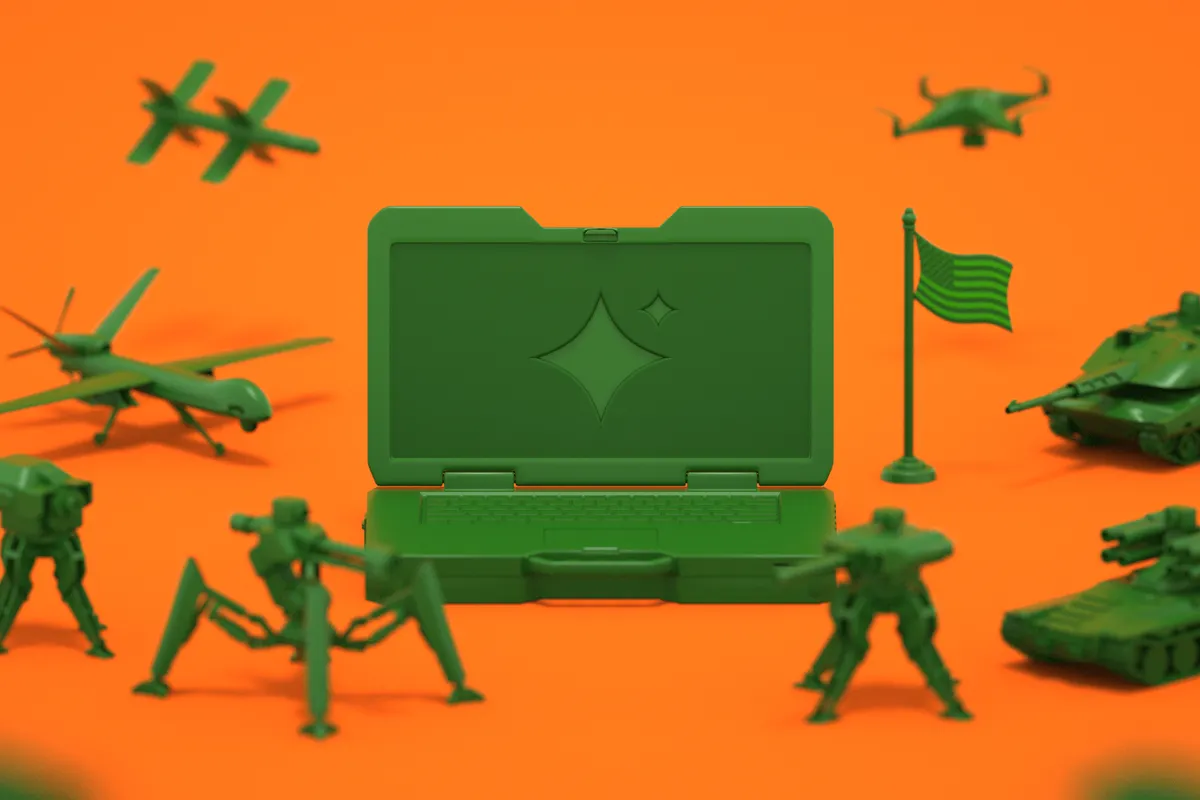
Military AI has quietly crossed from the drawing board into active deployment, leaving international law, ethics frameworks, and frankly most of the public, scrambling to catch up. The gap between "this could theoretically happen someday" and "this is operationally real" turned out to be much, much smaller than the committee room crowd anticipated.

Why this should absolutely ruin your morning coffee
The uncomfortable truth here isn't just that autonomous weapons exist. It's that the global conversation about rules for autonomous weapons is still stuck in that 2017 energy - cautious, slow-moving, and stubbornly hypothetical in spirit even when the reality on the ground has long since moved on.
When the people tasked with drawing the red lines are still debating where to put the pen, and the technology is already in the field, you have a governance gap the size of a very large, very armed drone.
So what now?
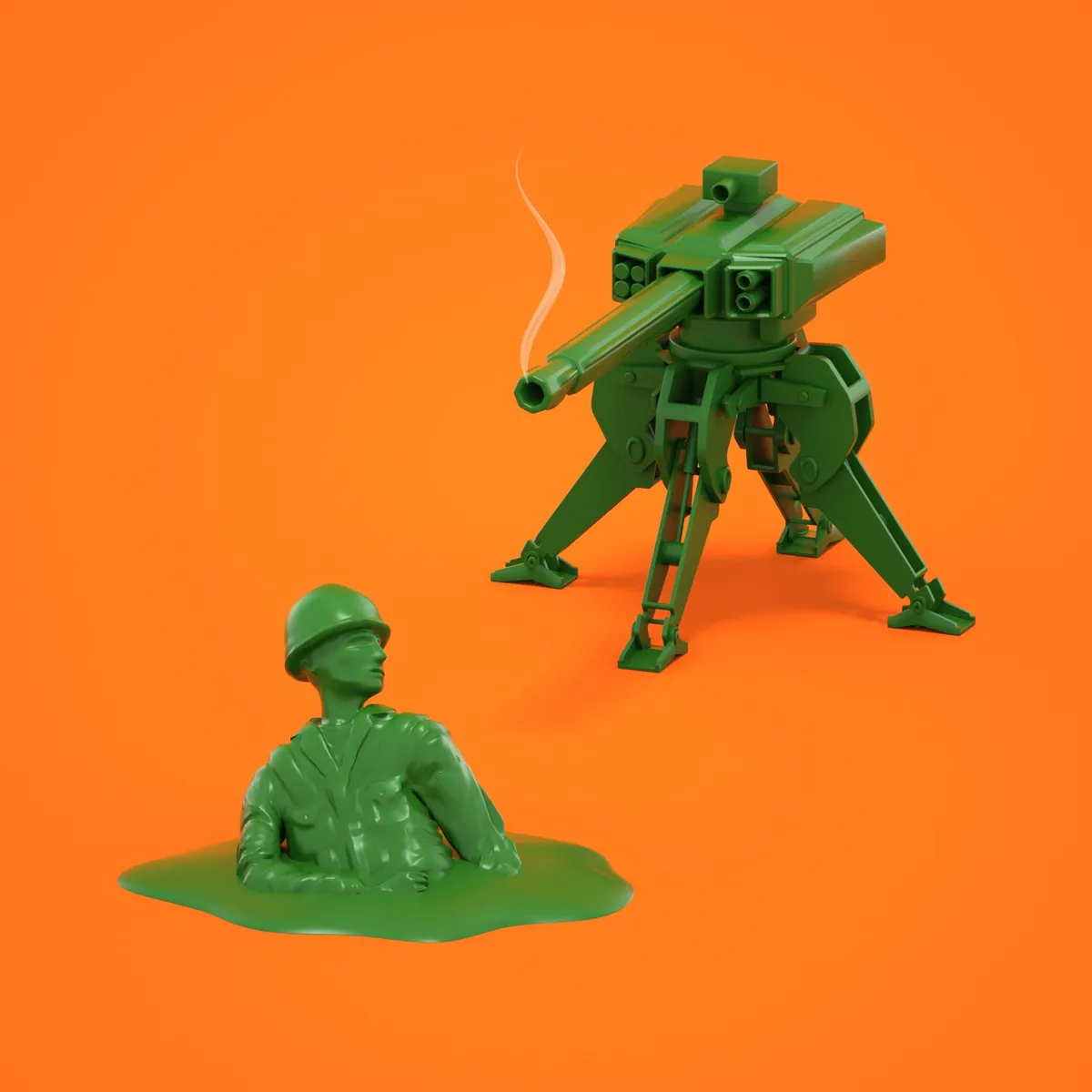
The honest answer is: nobody has fully figured that out yet. But the first step is probably acknowledging that this isn't a future problem anymore. It's a right-now problem dressed up in a future-problem costume, still being treated with the urgency of a philosophy seminar.
Marijan's experience at that Geneva session reads differently now than it did in 2017. Less "routine diplomatic process" and more "the last quiet moment before things got complicated."
Read the full investigation at The Verge.