Remember when the whole tech internet was dunking on Apple for being asleep at the wheel while OpenAI, Google, and Microsoft were busy changing the world with AI? Yeah, about that.
According to a report from TechCrunch, Apple's characteristically slow, methodical approach to artificial intelligence is starting to look less like a company that missed the memo and more like a chess player who's been quietly setting up a checkmate for the past two years.
The tortoise strategy
Let's be honest - the criticism was fair at the time. While Google was embedding AI into literally everything it touched, and Microsoft was practically stapling Copilot to your morning coffee, Apple's big AI move was... Siri still mishearing your reminders. Not exactly the vibe of a company leading an industry revolution.
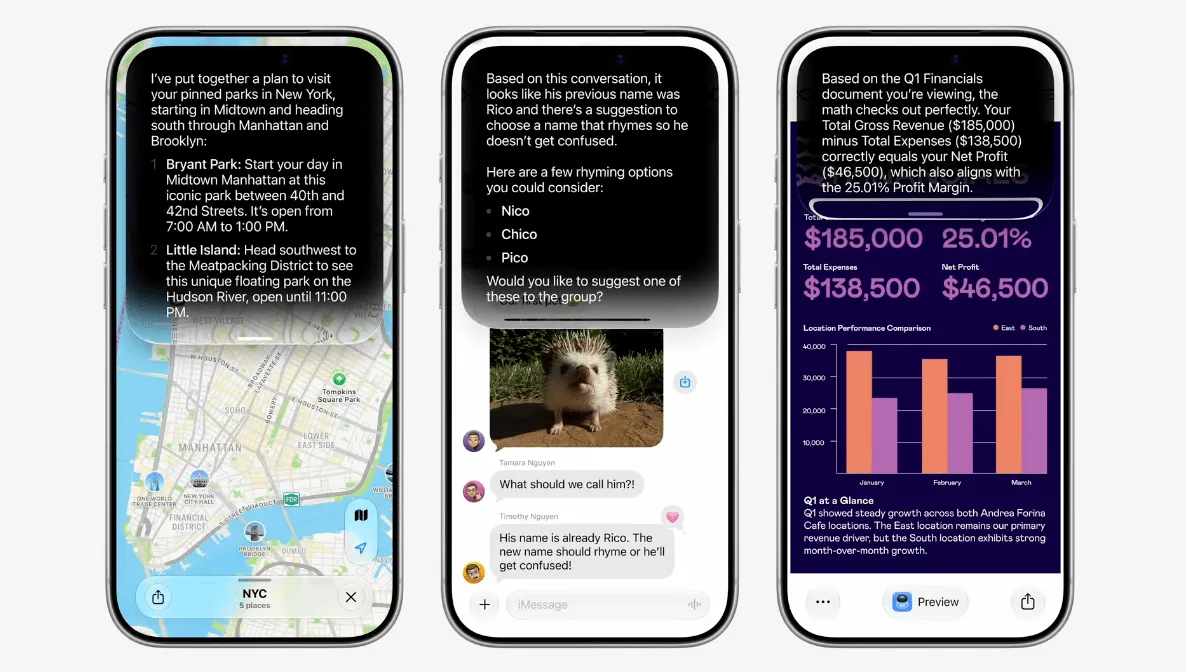
But here's the thing about Apple that people keep forgetting every single time: they almost never ship first, and they almost never ship badly. The company that invented waiting eighteen months longer than everyone else just to do it right has been quietly building what it calls Apple Intelligence - and the picture emerging suggests that patience may have been a feature, not a bug.
Why being late actually slaps (sometimes)
There's a real strategic argument here that goes beyond Apple fanboy apologetics. Launching an AI product too early means owning every embarrassing hallucination, every PR disaster, every moment your chatbot tells someone to put glue on their pizza. The first movers absorbed all of that reputational damage so Apple didn't have to.
Meanwhile, Apple gets to observe what actually works, what users actually want, and - critically - what privacy pitfalls to avoid. For a company whose entire brand identity is built around the idea that it respects your data, getting the privacy architecture right before shipping isn't just good ethics, it's good business.
The race isn't over
None of this means Apple has won anything yet. The AI space is moving at a speed that makes Moore's Law look like it's taking a gap year, and "catching up" in this environment is genuinely hard. The question isn't just whether Apple Intelligence is good - it's whether it can be great fast enough to matter.
But if history is any guide, betting against Apple's ability to take an existing technology and make it feel essential is a losing proposition. They did it with MP3 players, smartphones, and tablets. The slow-and-steady AI glow-up might just be the next chapter in the same playbook.
Annoying? A little. Effective? Historically, devastatingly so.