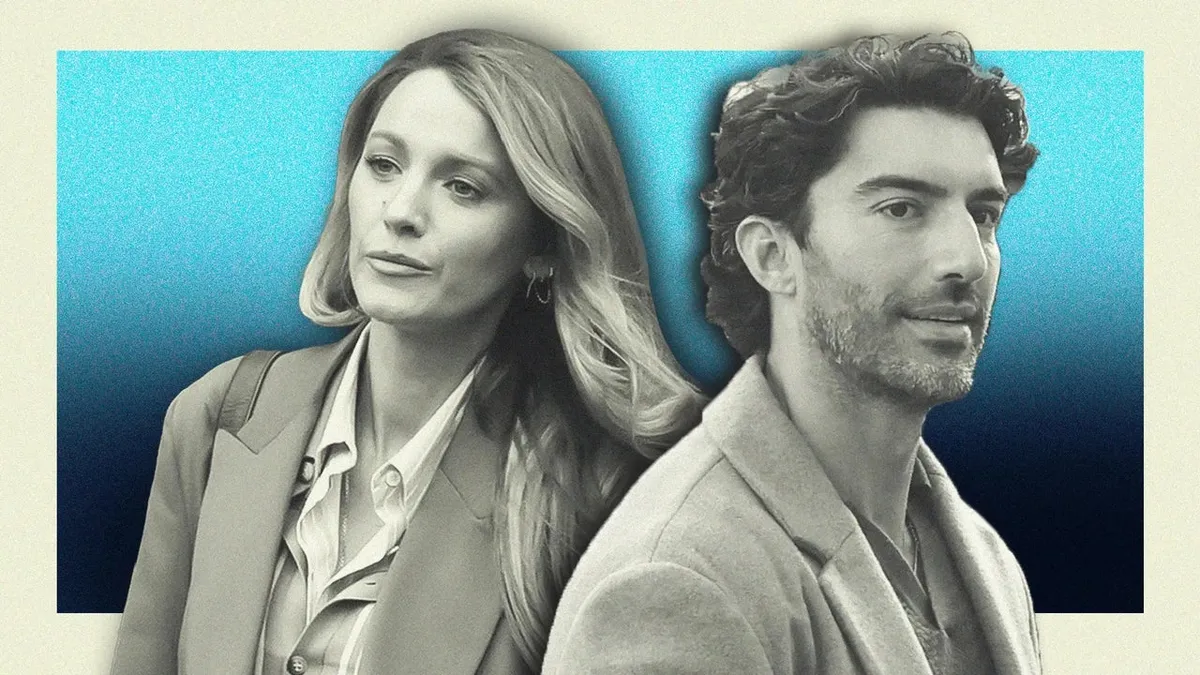
You probably followed the Blake Lively-Justin Baldoni legal saga as celebrity gossip. Fair enough, it had all the ingredients - A-listers, lawsuits, PR warfare. But according to a piece in Fast Company, if you're a founder or entrepreneur, you've been reading the wrong story this whole time.
From golden couple to cautionary tale
Before their very public falling-out, Blake Lively and Ryan Reynolds were basically the patron saints of likable celebrity entrepreneurship. Ryan sold Aviation Gin to Diageo for $610 million in 2020. Then Mint Mobile to T-Mobile for $1.35 billion. The guy had a Midas touch, and it rubbed off on everything around him - including Lively's ventures.
They were "down-to-earth nice" in a Hollywood landscape full of people who absolutely are not. That reputation was worth serious money. Like, nine-figures serious.
Public perception IS your balance sheet
Here's the part that should make every founder a little queasy: the Lively-Baldoni feud didn't just create bad headlines. It actively eroded the goodwill that made their brands valuable in the first place. Consumer trust isn't a soft metric - it's the thing that makes people choose your gin, your mobile plan, your whatever, over a nearly identical competitor's.
When a public figure becomes a controversy magnet, the brand doesn't just pause - it bleeds. Quietly, then all at once.
The lesson no MBA teaches you
The real cautionary tale here isn't "don't get into feuds with your co-stars." It's that founder-led brands carry enormous upside AND enormous fragility. When you ARE the brand, your reputation is the product. A legal dispute, a PR disaster, or even just a bad viral moment can kneecap something you spent years building - regardless of who's "right."
Reynolds and Lively built brands on personality and relatability. That's a rocket ship when it works. But personality-driven companies have a single point of failure that a boring faceless corporation simply doesn't.
So what's the actual move?
Probably not "avoid all conflict forever" - that's not realistic. But founders should think hard about how much of their brand equity lives inside their personal reputation versus the product itself. The closer those two things are fused together, the more catastrophically a public fall from grace can hurt.
The Lively-Baldoni saga is still playing out in courtrooms and comment sections. But the business lesson it's already delivered is loud and clear: in the founder-brand game, your vibe is your valuation. Protect it accordingly.