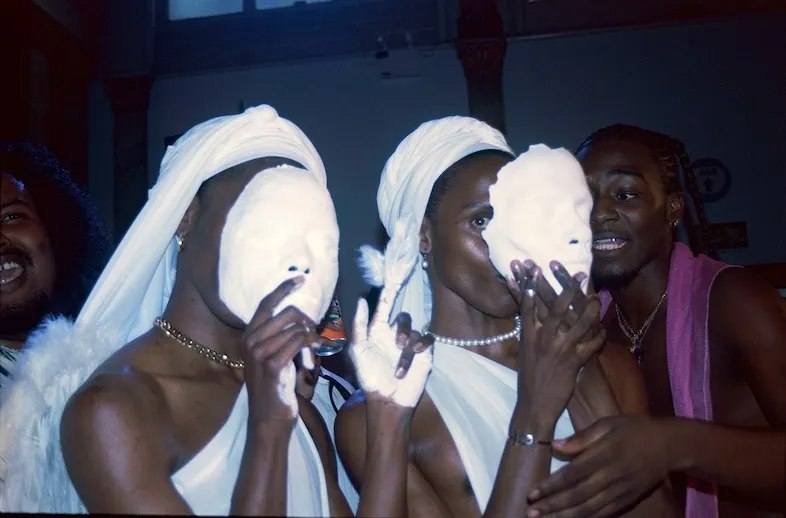
There is something genuinely paradoxical about photographing nightlife. The whole point of a dark room full of sweaty, uninhibited people is that it exists outside the gaze of the mainstream world. And yet, without the camera, so much of that history simply disappears into the smoke machine fog. Gone. Unrecorded. As if it never happened.
That tension - between preservation and intrusion, between witness and voyeur - sits right at the heart of a new photo book covered by Dazed, which dives deep into the visual history of queer nightlife. And honestly? It sounds like exactly the kind of thing that should exist.
Why the club was always political
For queer communities, the nightclub was never just a place to dance badly and regret your drink choices at 4am. It was a sanctuary. A space where being the majority - even for one night, even in one room - felt like a radical and necessary act of survival. The darkness was protective. The music was armor. The sweat was solidarity.
Photography in these spaces has always walked a complicated line. On one hand, images act like portals - capturing moments of joy, defiance, and community that would otherwise be completely lost to time. On the other hand, a camera in a queer nightclub can also mean exposure, surveillance, and vulnerability for people who had very good reasons to stay anonymous.
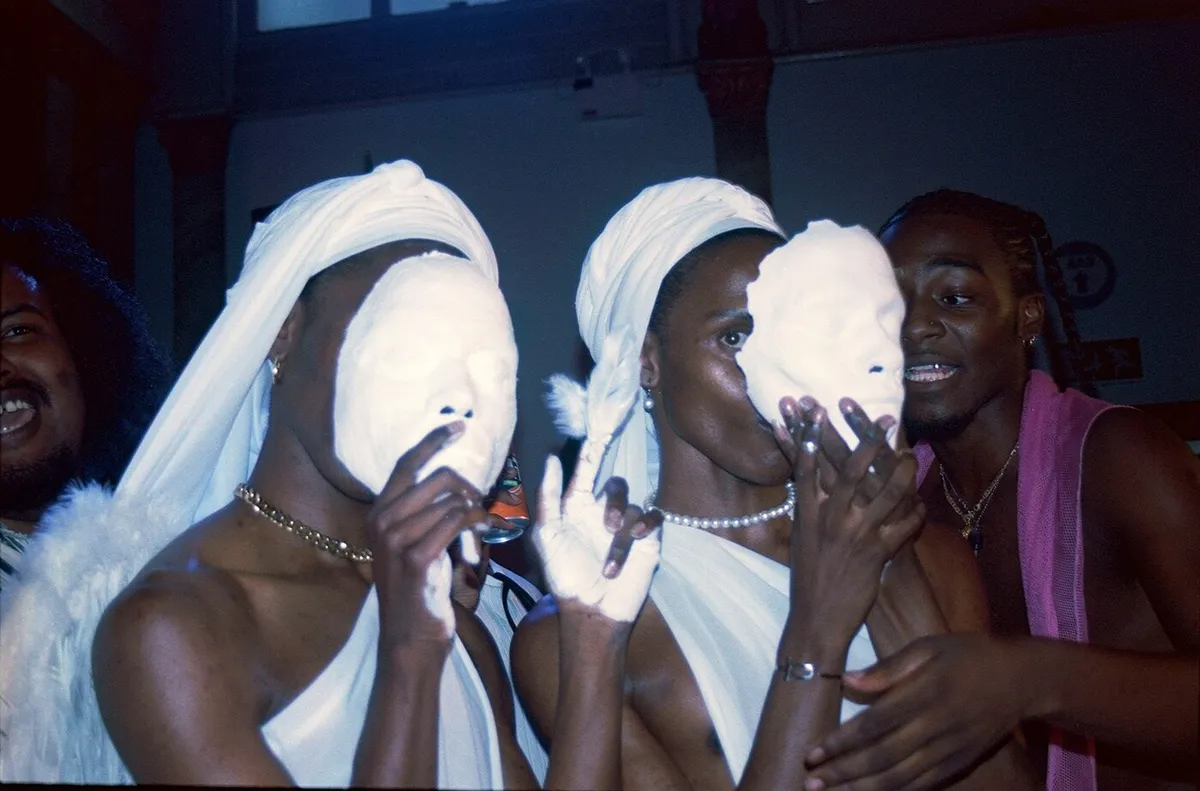
A history worth preserving, carefully
What makes this book feel significant is its apparent awareness of that tension rather than steamrolling past it. Queer nightlife has been the birthplace of entire subcultures, fashion movements, political organizing, and genuine human connection - and most of it happened in rooms with no windows on purpose.
From underground sex clubs to packed dancefloors dripping in dissent, the images collected here represent something that mainstream photography archives have largely ignored or actively avoided. Which is, of course, precisely why it matters that someone bothered to look.
The dancefloor as archive
If you have ever stood in a dark room surrounded by people who finally felt free to be exactly themselves, you already understand why this kind of documentation is not just art - it is a form of resistance. And if you haven't, well. Consider this your very overdue invitation to start paying attention.
The book is published by MACK and was written about by Amelia Abraham over at Dazed, where you can read more about the specific photographers and stories involved. Go do that.