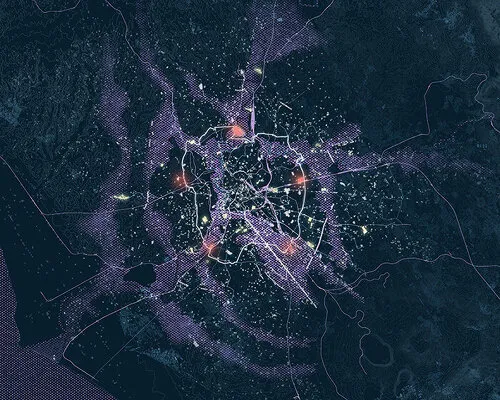
Rome wasn't built in a day. It also wasn't demolished in one, which is precisely why architects have been losing sleep over it for centuries. Now, Dutch powerhouse OMA - the firm that treats conventional thinking like a pinata - has teamed up with Italian practice IT's to unveil what they're calling Roma Continua, a sweeping 25-year masterplan for one of the most historically loaded cities on the planet.
Layers on layers on layers
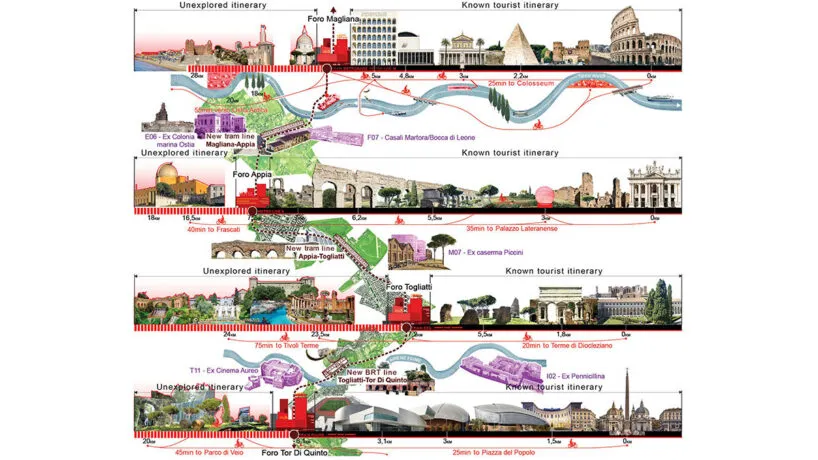
The whole concept leans into something Rome has always done better than anywhere else: building on top of itself. The city is basically a geological cross-section of Western civilization, and OMA's vision apparently embraces that instead of bulldozing past it. According to Designboom, the plan aims to recalibrate Rome's landscape and infrastructural framework - which, if you've ever tried to navigate Roman traffic or its creaking public transit, sounds less like architecture-speak and more like a desperate cry for help.
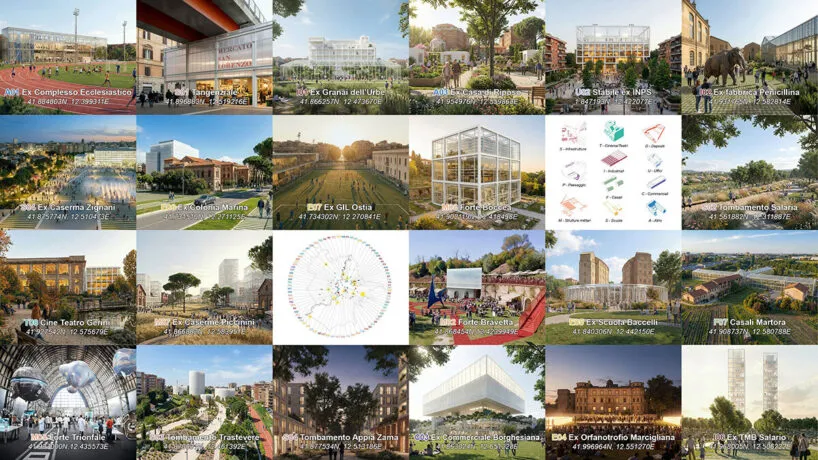
The name Roma Continua - "Rome continues" - is doing a lot of rhetorical heavy lifting here. It suggests continuity rather than rupture, evolution rather than revolution. Smart move when your client is a city that literally rioted over the introduction of espresso machines in the 20th century. (Okay, maybe not literally. But you get the idea.)
Why this actually matters
Here's the thing about Rome that doesn't make the Instagram posts: the city has been struggling for years with infrastructure that can barely support the weight of its own mythology, let alone 4 million residents and tourists. A coherent long-term vision - one that respects the archaeological layers beneath every cobblestone while actually making the city functional - is genuinely radical.
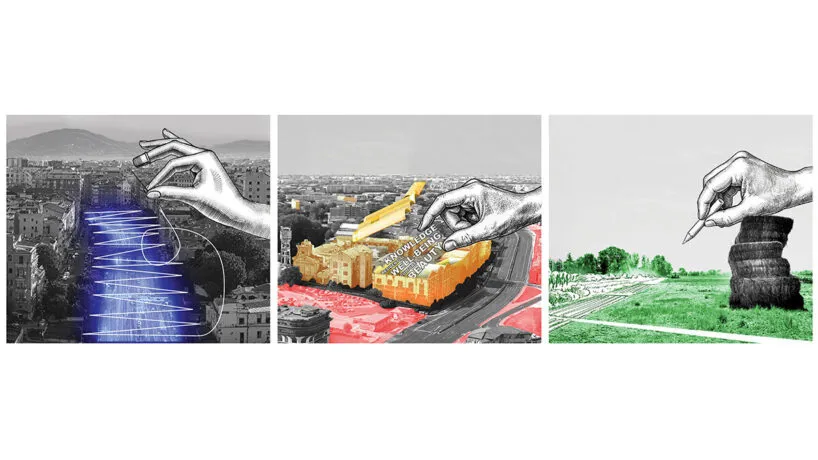
OMA, led by the legendary Rem Koolhaas, has never been shy about taking on impossible briefs. These are the people who designed the CCTV headquarters in Beijing and the Seattle Central Library. If anyone is going to convince Rome to think 25 years ahead while simultaneously respecting 2,500 years of the past, it's probably them.
The long game
Twenty-five years is an eternity in architecture terms. Projects get cancelled, mayors change, budgets evaporate. But the ambition alone is worth paying attention to. Rome recalibrated - its landscapes reorganized, its infrastructure actually working - would be one of the great urban stories of the 21st century.
Whether Roma Continua actually continues all the way to completion is another question entirely. But hey, they said the same thing about the Colosseum, and that's still standing.