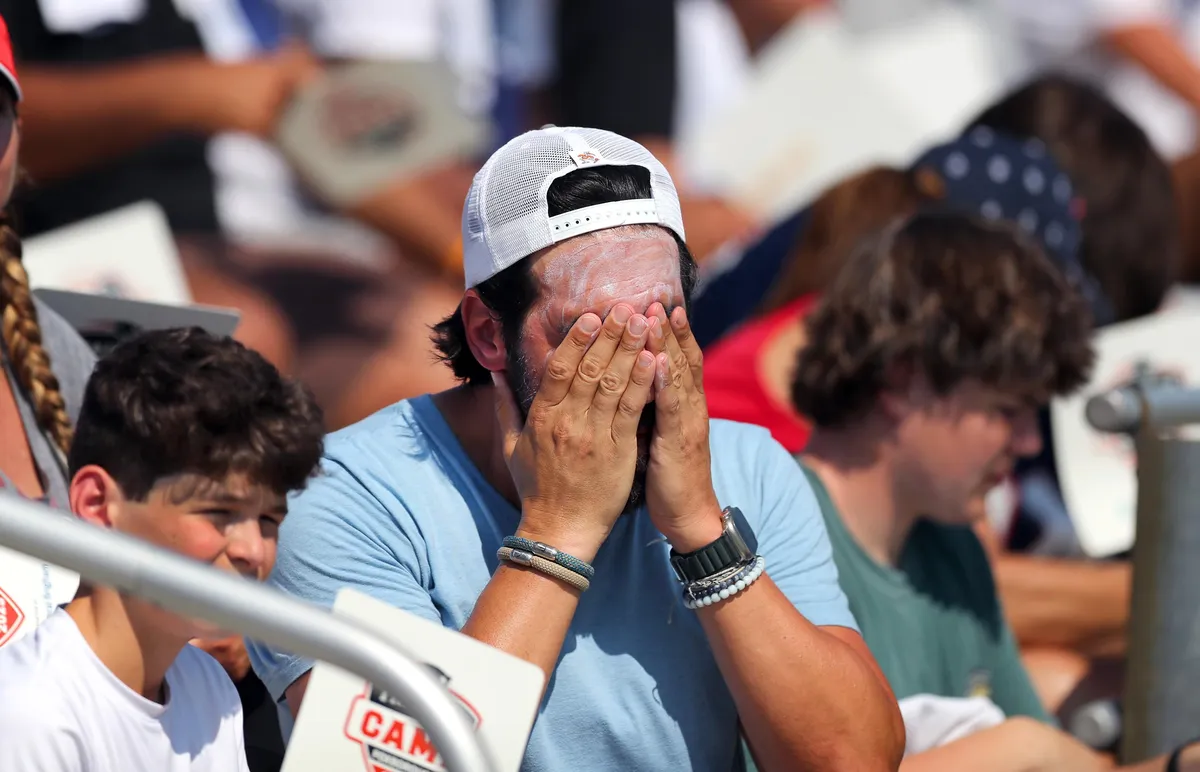
Congratulations, America. After nearly three decades of sunscreen stagnation, the United States has finally approved a new sunscreen ingredient. Pop the (SPF-protected) champagne.
The newcomer is called bemotrizinol, also known as BEMT, and according to Vox, it has been available in Europe and Asia for years. Years! While the rest of the world was out here enjoying broader UV protection, Americans were essentially sunscreening like it was 1996.
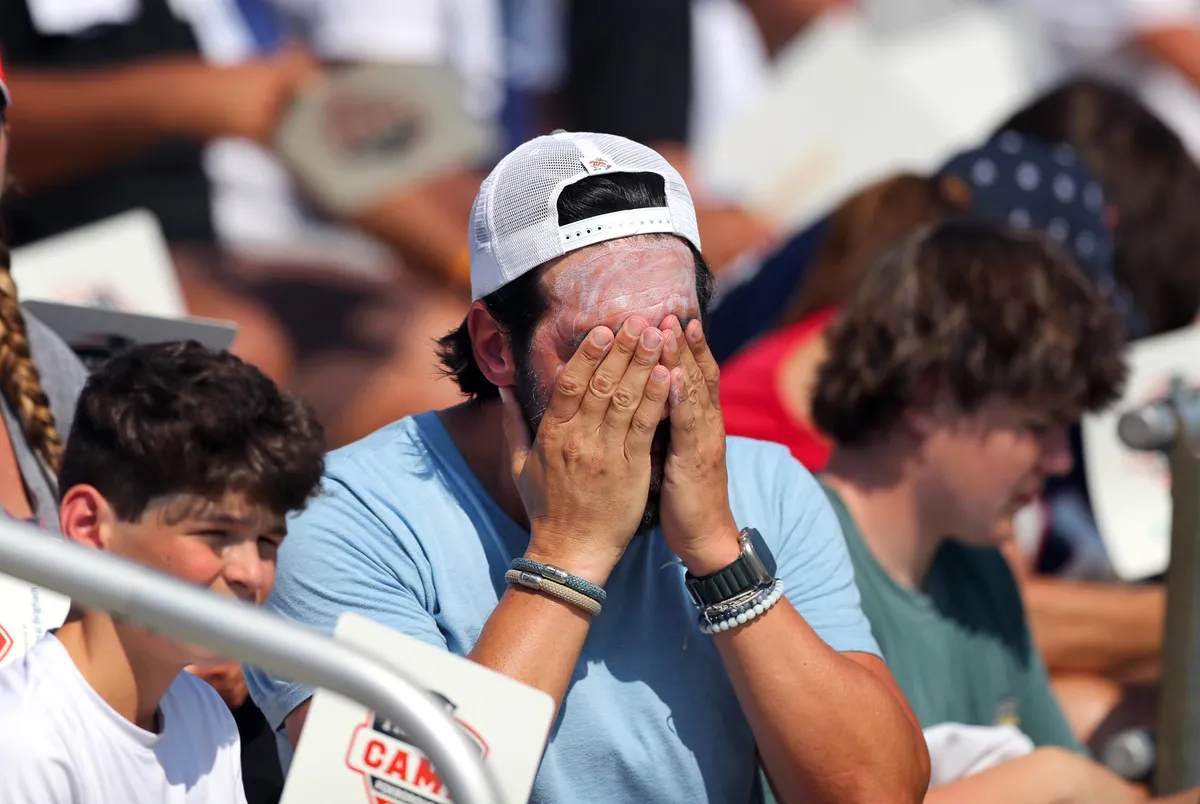
Why did it take this long?
Here is where it gets genuinely baffling. The US regulates sunscreen not as a cosmetic - like the rest of the world does - but as an over-the-counter drug. That means any new ingredient has to jump through the same regulatory hoops as an actual medication. It is, to put it diplomatically, a system that moves at geological speed.
The result? A market frozen in time, while consumers, dermatologists, and basically anyone who has ever used a European sunscreen and noticed how much lighter and less greasy it felt, have been quietly losing their minds about it.

So what makes bemotrizinol special?
BEMT is what is known as a broad-spectrum filter, meaning it tackles both UVA and UVB rays. It has been a popular ingredient in international formulas precisely because it tends to play well with other ingredients and does not destabilize easily in sunlight - a real problem with some older filters. Basically, it is the well-traveled, cosmopolitan cousin that American sunscreen formulas have been missing at the family reunion.
What this means for your skin cabinet
This approval opens the door for American sunscreen brands to finally reformulate and get closer to the lighter, more elegant textures that European and Asian products have long been known for. If you have ever smuggled a Korean sunscreen through customs because the local options felt like applying wet cement to your face, you know exactly why this matters.
It is not a revolution overnight. Reformulations take time, and products still need to go through manufacturing and market rollout. But the regulatory wall has cracked, and that is genuinely significant for an industry that has been stuck in a holding pattern for the better part of three decades.
Better late than melanoma, honestly.