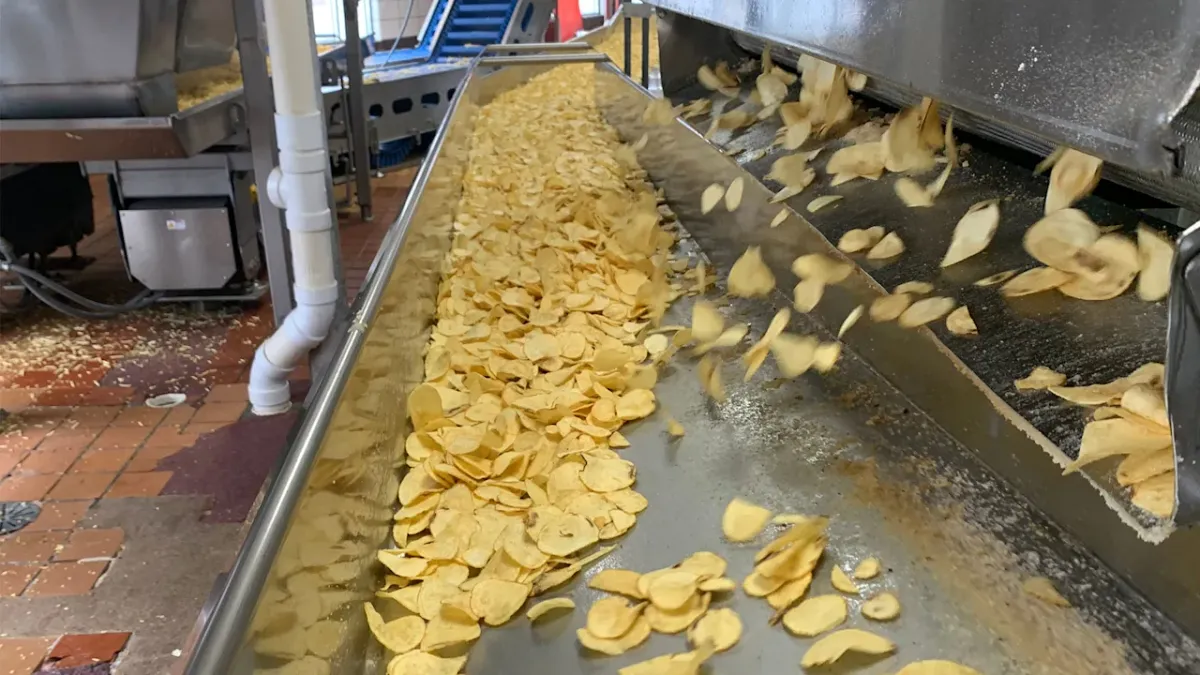
Next time you reach into a bag of chips, consider this: the potato that made that satisfying crunch has probably been in development for years. Decades, even. According to reporting by Fast Company, there is a remarkable amount of science packed into every crispy slice - and it starts long before the fryer.
Growing the perfect chipping potato
Researchers have spent years - sometimes generations - breeding potato varieties specifically for chip makers. It is not just about taste. These specially developed breeds need to thrive across a wide range of climates, resist diseases and pests, and hold up in storage for months at a stretch without losing quality. That is a serious ask for any crop, let alone one that ends up as a snack food.
David Douches, a professor at Michigan State University, put it simply: "The potato industry is dynamic." And he is not wrong. The science behind chip-ready potatoes has to keep pace with farming conditions, consumer preferences, and the practical realities of large-scale food production all at once.
Snack trends are shaping the harvest
Here is where it gets genuinely interesting. The rise of snack-size chip portions - those smaller bags you grab at checkout or toss in a lunch box - has actually changed what farmers are being asked to grow. Smaller portions mean smaller chips, which means a growing demand for smaller potatoes in the first place. Consumer habits in the snack aisle are quietly redirecting agricultural research.
It is a good reminder that the food industry is far more interconnected than it appears on the surface. A trend toward mindful snacking does not just change packaging - it ripples all the way back to the field.
Why this matters beyond the snack bowl
There is something genuinely fascinating about realizing that a bag of chips represents years of breeding programs, climate adaptation research, and supply chain planning. We tend to think of processed snacks as the opposite of thoughtful food production, but the potato science involved is anything but casual.
It also raises bigger questions worth sitting with. As climate change makes growing conditions less predictable, the ability to breed resilient crops becomes more important - not just for chips, but for food security broadly. The humble chipping potato turns out to be a surprisingly useful lens for understanding where agriculture is headed.
So go ahead and enjoy the crunch. Just know there is a lot more going on in that bag than you might have expected.