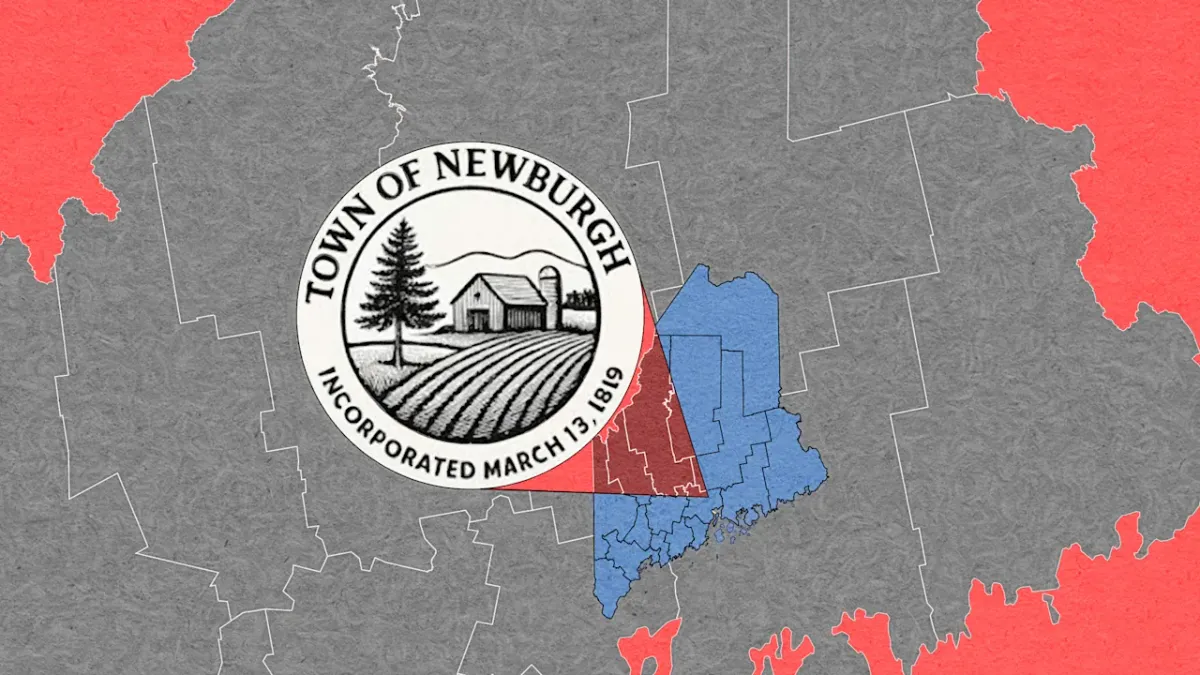
When the town of Newburgh, Maine, posted a proposed new logo to its Facebook page last month, officials were upfront about one thing: it was made by AI. They even asked residents what they thought. Turns out, the residents had a lot to say - and not in the way the town had hoped.
Newburgh is a small place. Population 1,520, sitting about 25 miles from the coast just outside Bangor. It's the kind of community where everyone knows everyone, and where decisions that might fly under the radar elsewhere tend to land differently. The proposed logo had a farm theme, fitting enough for a rural Maine town. But the moment residents learned it was AI-generated, the comments section became a referendum on the whole idea.
Why this hit a nerve
The backlash here isn't really about logo design. It's about what a town's visual identity actually represents. A municipal logo isn't just a graphic - it's a symbol of place, history, and the people who live there. When you hand that job to an algorithm, even a well-intentioned one, it can feel like the community's story is being told by something that has never set foot on its roads or met a single one of its residents.
There's also a practical argument residents in situations like this often raise: why not hire a local designer? Or run a community contest? Both approaches would cost money, sure, but they'd also generate goodwill and result in something people feel genuine ownership over.
To be fair to Newburgh's officials, they weren't trying to sneak anything past anyone. They disclosed the AI origin and asked for input - that's more transparency than a lot of organizations offer. But the response suggests that disclosure alone isn't always enough to bring people along, especially when the thing being redesigned carries emotional weight.
A broader conversation playing out everywhere
Newburgh's situation, as reported by Fast Company, is a small-town version of a debate happening across design, media, and marketing right now. AI tools are fast and cheap, which makes them genuinely tempting for cash-strapped organizations. But speed and cost savings aren't the only values in play when you're talking about community identity.
The town has since made its Facebook post and page private, which is a pretty clear signal that the conversation got uncomfortable. Whether Newburgh revisits the logo design process - and how - will be worth watching. In the meantime, it's a useful reminder that the question isn't just whether AI can do something. It's whether it should, and who gets to decide.