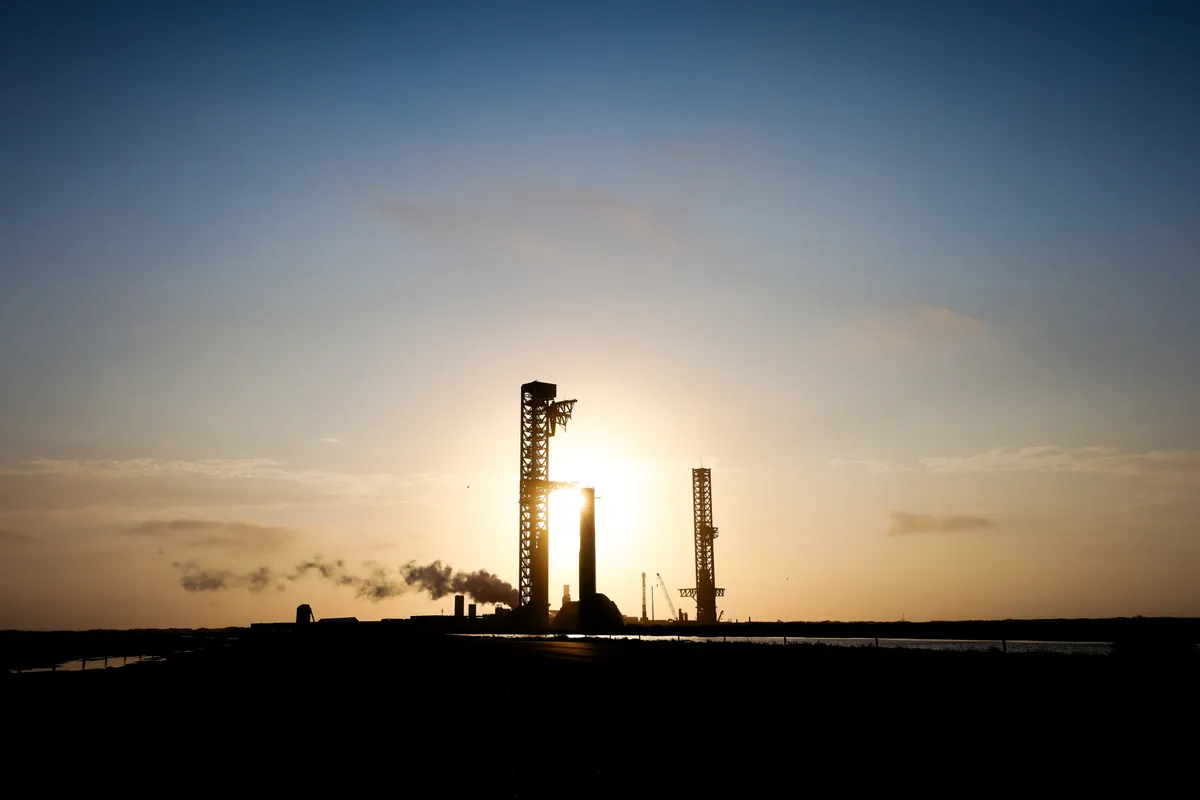
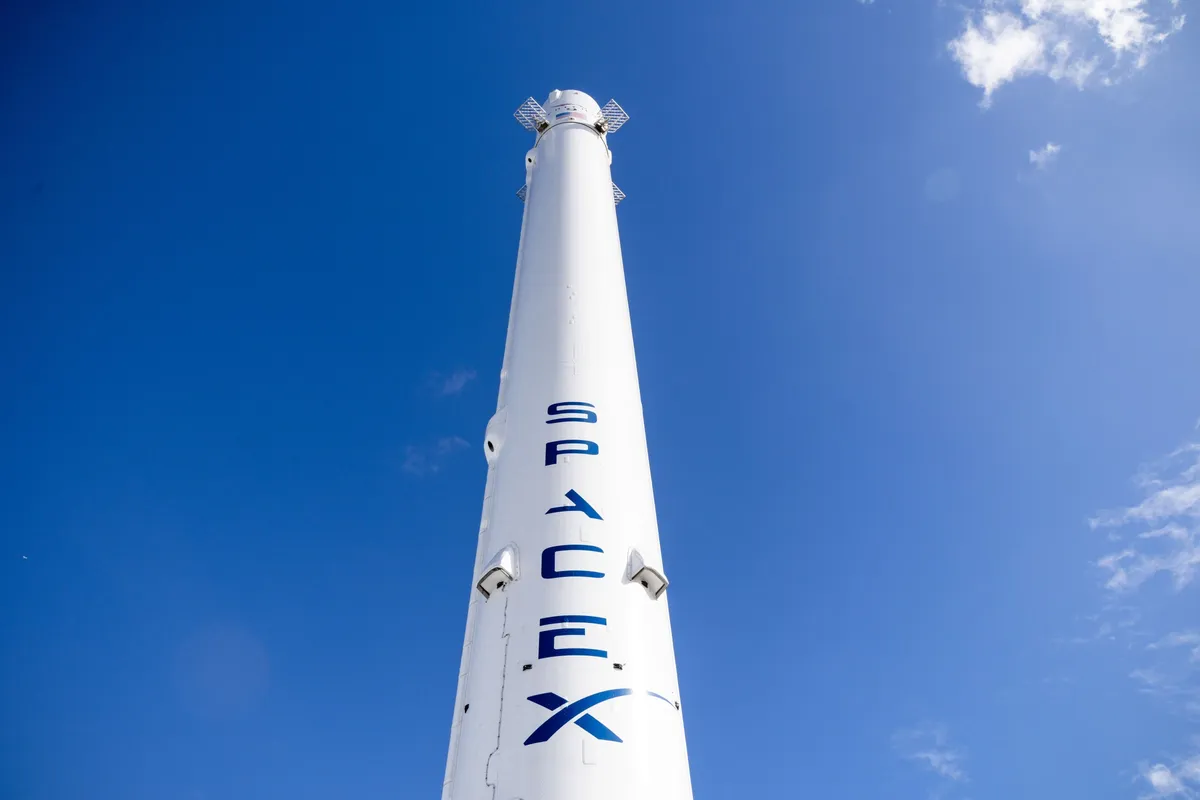
If you've ever watched a rocket launch and thought "I want in on that" - well, you might finally get your chance. According to reporting from The Verge, a SpaceX IPO is on the horizon, and it would open the door for regular retail investors to buy a stake in the company for the very first time.
That's a pretty big deal. SpaceX has long been the kind of company that only deep-pocketed venture capitalists and institutional investors could access. Now, the possibility of anyone being able to own a slice of it is generating serious buzz - and serious debate.
Why this matters beyond Wall Street
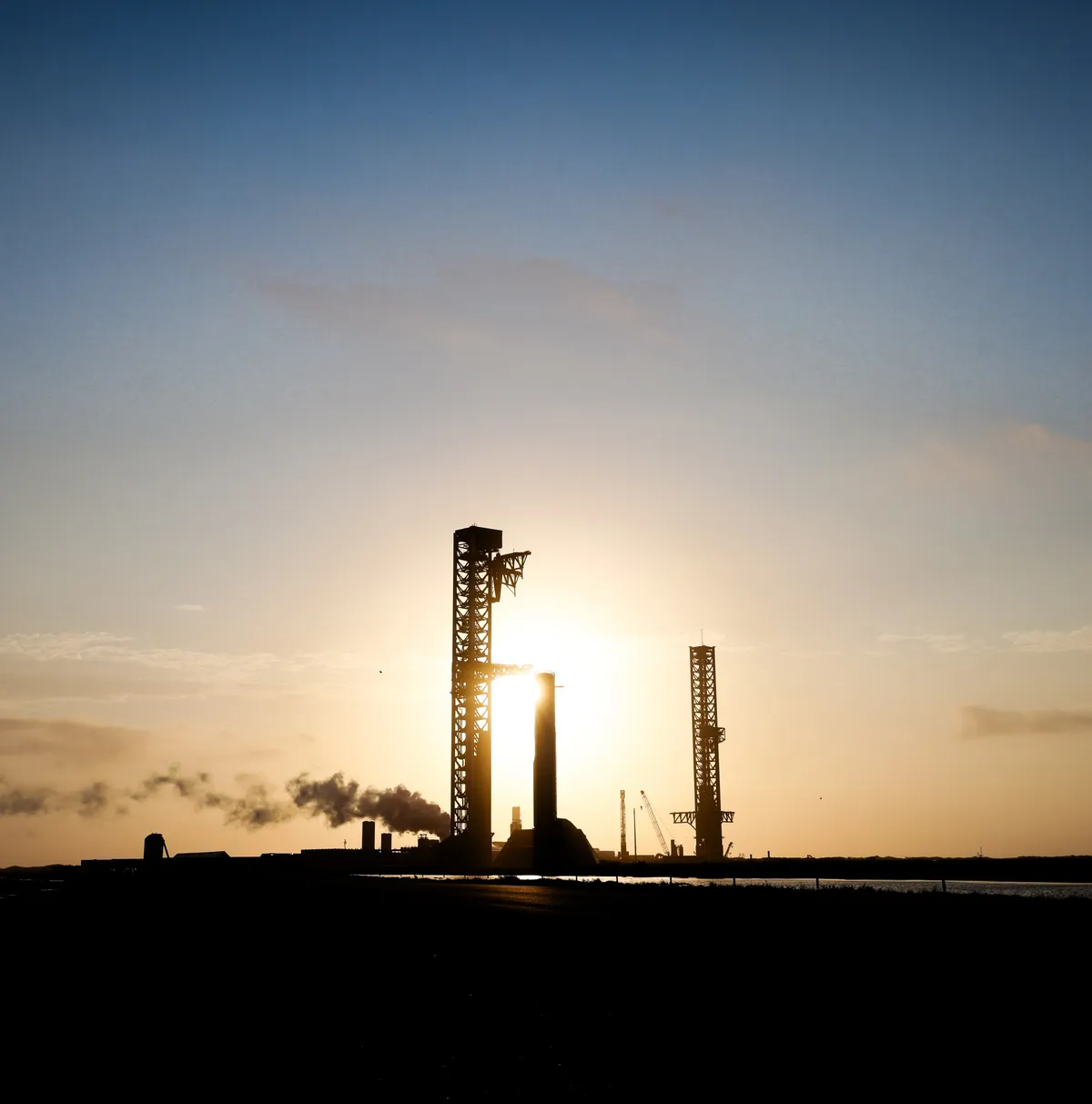
SpaceX isn't just a rocket company. It's the outfit behind Starlink's global satellite internet network, NASA's astronaut launches, and some of the most ambitious plans for Mars colonization ever seriously pursued. Its valuation has soared into the trillions, which makes this potential IPO one of the largest in history if it goes ahead.
For younger investors especially, this represents something different from buying into a legacy tech giant or a consumer brand. SpaceX is a bet on what the next century of human civilization looks like - off-planet infrastructure, satellite-powered internet for the world's most remote communities, and commercial space travel that's edging closer to reality every year.
The "best investment" vs. "biggest gamble" debate
Here's where it gets complicated. Depending on who you ask, a SpaceX IPO is either the opportunity of a lifetime or an extraordinarily risky proposition. The company is deeply tied to its founder Elon Musk, whose unpredictability has proven to be both a superpower and a liability for his ventures. Its revenue streams are still maturing, and the space industry - for all its promise - remains capital intensive and technically precarious.
There's also the question of timing. IPOs in high-hype sectors have a history of underperforming in their early public years, even when the underlying business is strong.
Should you care?
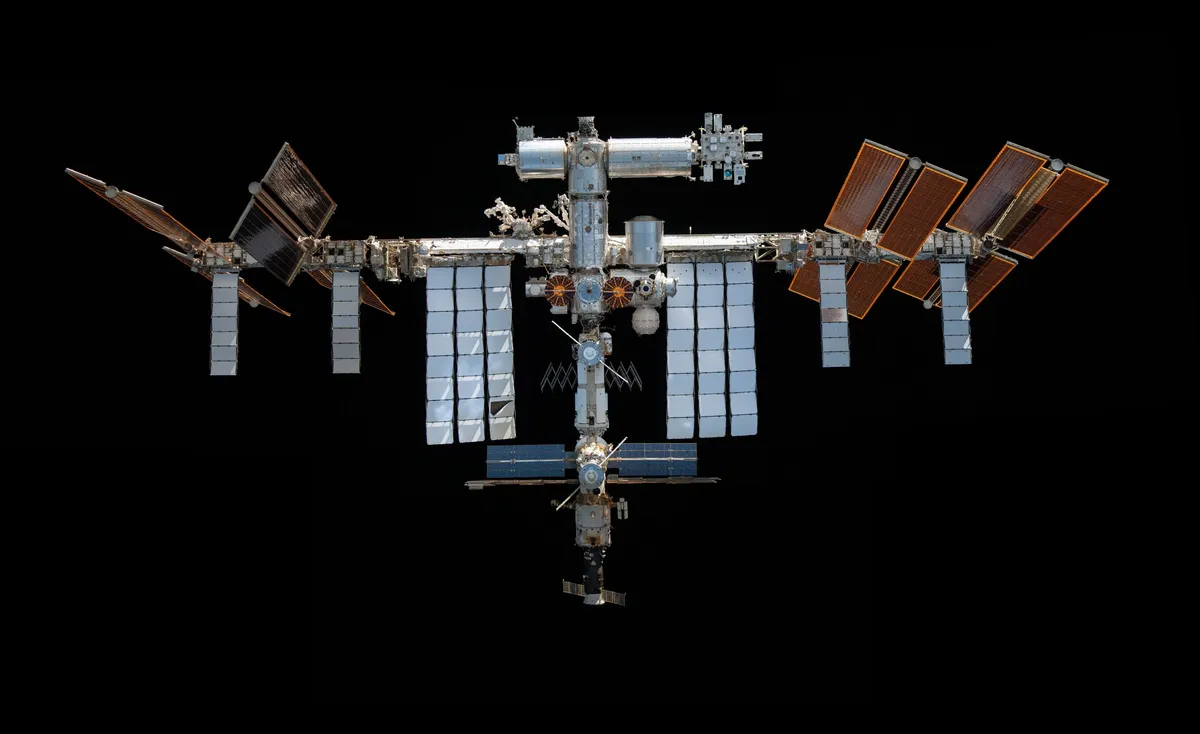
Even if you're not planning to invest, the SpaceX IPO signals something worth paying attention to: the commercialization of space is no longer a distant sci-fi concept. It's becoming a mainstream economic conversation, the kind that ends up affecting everything from telecommunications to national policy.
Whether this turns out to be the investment of a generation or a cautionary tale about hype outrunning reality, it's a story that's going to shape the next decade. Worth keeping an eye on.