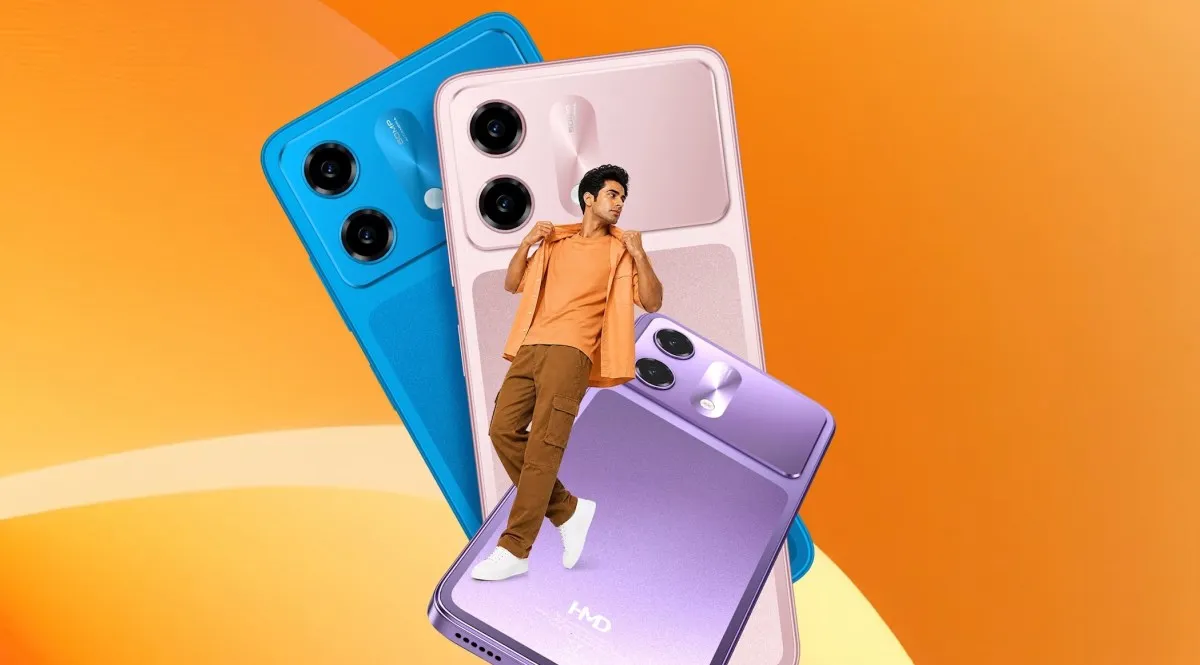
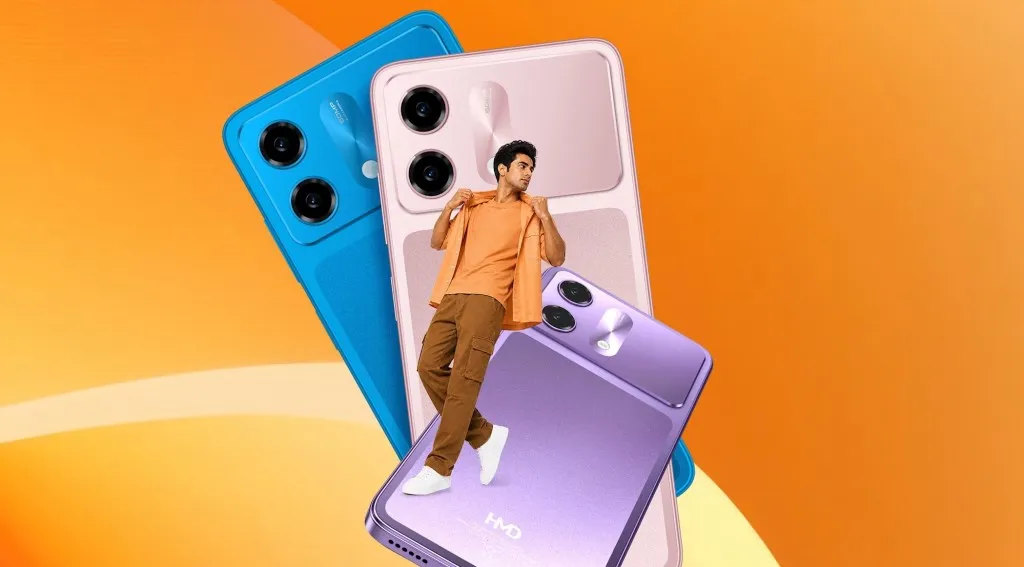
If you want to win in one of the world's most competitive smartphone markets, you probably need to speak the language. All of them, ideally. That's the logic behind HMD's latest move in India, where the Finnish phone maker is bundling an AI chatbot called Indus - built by Indian AI startup Sarvam - directly onto a new smartphone.
Why this matters beyond the specs sheet
The partnership is less about flashy hardware and more about cultural fit. Indus supports 22 Indic languages, which is a genuinely significant detail in a country where Hindi and English are just the beginning of the linguistic story. Hundreds of millions of Indian smartphone users speak regional languages as their primary tongue, and AI tools that ignore that reality tend to stay stuck in urban, English-speaking circles.
By pre-loading Sarvam's chatbot, HMD is essentially saying it wants to meet users where they actually are - not where it's convenient for a European tech company to imagine they are. It's a localization strategy that goes deeper than just swapping out a wallpaper or adding a regional app store.
The bigger trend at play
This move fits neatly into a growing global pattern: as AI assistants become standard features on smartphones, the question of whose AI gets bundled is becoming a serious competitive and geopolitical consideration. India has been actively pushing to develop its own AI ecosystem, and startups like Sarvam represent that homegrown ambition.
For HMD, a company that's been navigating a tricky few years since losing the Nokia brand rights, finding a strong foothold in India could be genuinely transformative. India is already one of the largest smartphone markets on the planet, and growth projections remain strong as more of the population comes online.
What it means for the average buyer
For someone picking up one of these devices, the practical appeal is straightforward. An AI assistant that can understand and respond in your preferred regional language - whether that's Tamil, Bengali, Marathi or something else entirely - is a lot more useful than one that stumbles through a stilted translation. Voice-based AI especially lives or dies on this kind of nuance.
Whether the Indus chatbot is actually good enough to become a daily habit for users remains to be seen. But the intent is clear, and the strategy is smart. According to reporting by TechCrunch, HMD is explicitly framing this as a push to reach the local market - and in 2025, reaching a market often means starting with the language it thinks in.