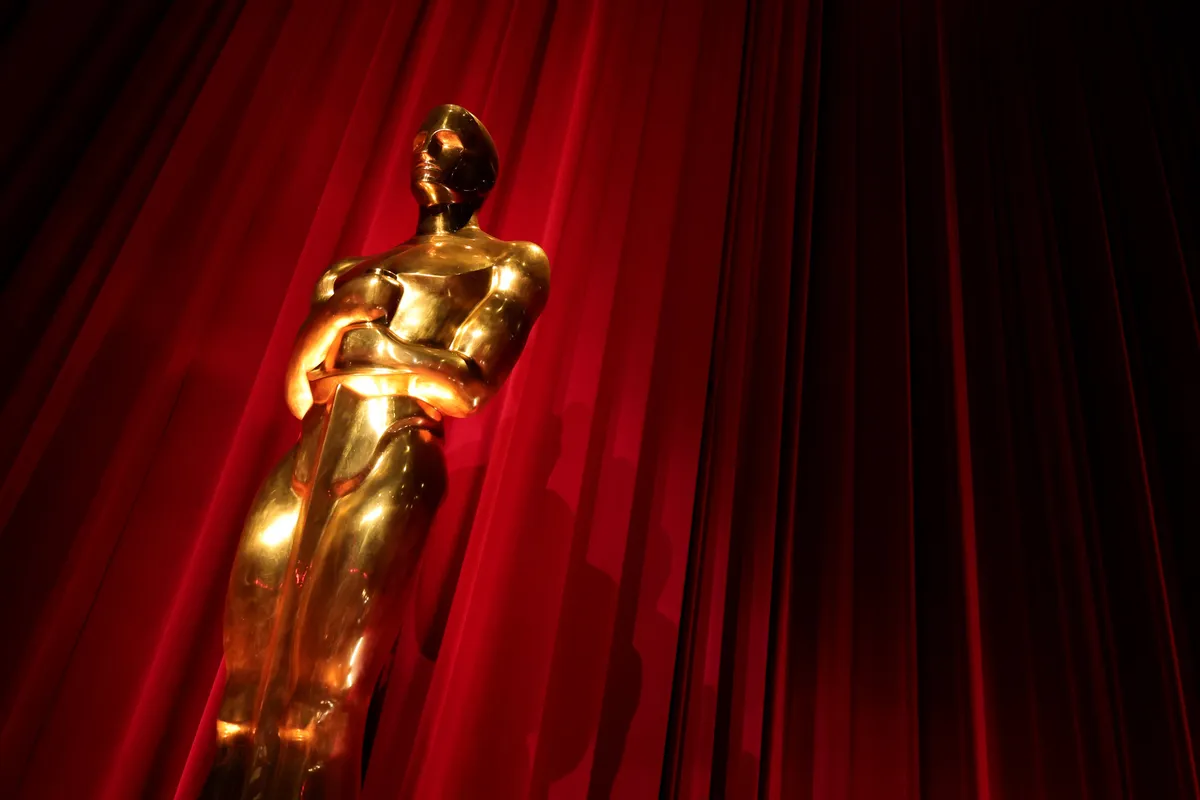
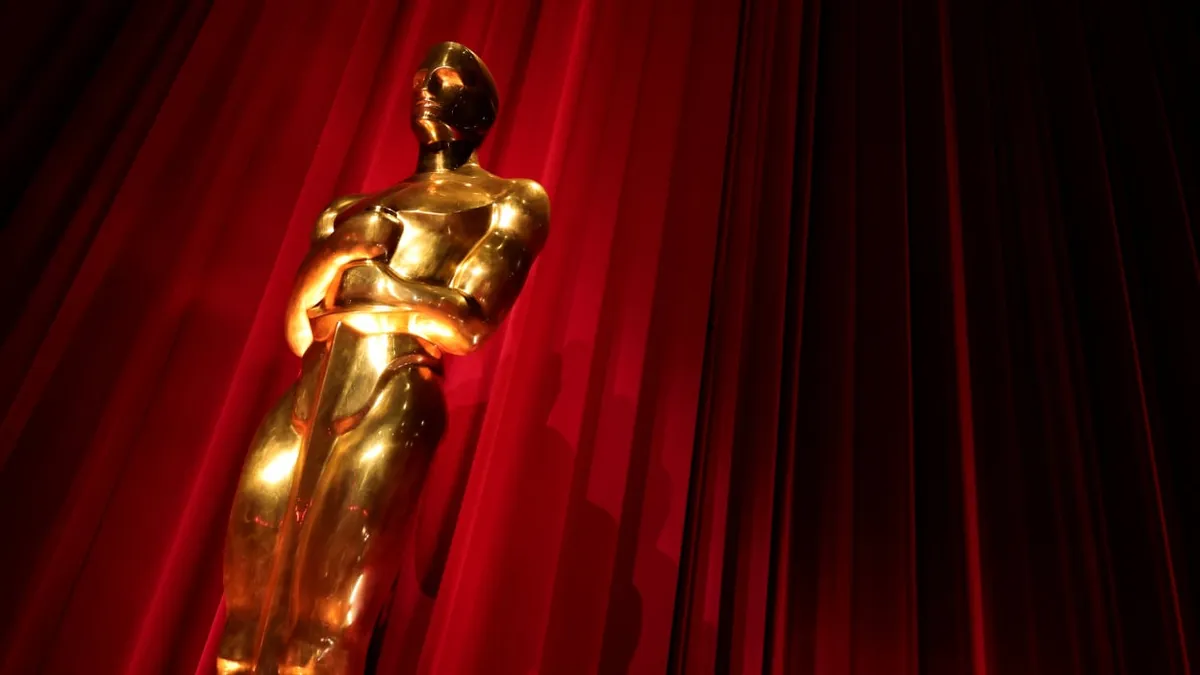
Hollywood's most glamorous night just got a little more... human. The Academy of Motion Picture Arts and Sciences has updated its eligibility rules, and the big headline is exactly what it sounds like: AI-generated performances are no longer in the running for Oscar gold. No trophy for you, deepfake Cary Grant.
So what actually changed?
According to Mashable, the Academy has explicitly ruled out AI performances from contention, drawing a clear boundary between what counts as a real acting performance and what counts as a very expensive tech demo. The rule updates also reportedly tighten up the competition around nominees more broadly, meaning the path to that little golden statuette just got narrower and more fiercely contested.
It's a meaningful move, not just a symbolic one. As AI tools have crept further into film production - resurrecting deceased actors, de-aging living ones, and generating entirely synthetic performances - the question of "what even IS acting anymore" has gone from a philosophy seminar to a genuine industry crisis.
Why this actually matters
Here's the thing: awards aren't just ego fuel (okay, they're mostly ego fuel). They also signal value. When the industry's most prestigious institution says a performance has to come from a human being, it's making a statement about what film is supposed to celebrate - the messy, vulnerable, wildly inefficient process of a person actually FEELING something in front of a camera.
Without rules like this, you could theoretically have a studio pump an AI through thousands of script variations, pick the statistically most award-bait-y performance, and submit it. That's not cinema. That's A/B testing with a red carpet.
The slippery slope everyone's been dreading
The tricky part, of course, is enforcement. When a performance is 70% human actor and 30% AI touch-up, where's the line? When a digital recreation of a real person delivers dialogue they never actually spoke, who gets the nomination - the actor's estate? The prompt engineer? The algorithm?
These aren't hypothetical headaches. They're already showing up in real productions, and the Academy is essentially serving notice that it's watching closely.
For actual human actors - you know, the ones with agents and opinions and complicated Method rituals - this is genuinely good news. In an industry already rattled by strikes, contract disputes, and existential dread about automation, having the Oscars formally say "humans only" is a small but real win.
Now if only they'd also rule out acceptance speeches that are longer than three minutes. Some things remain beyond even the Academy's power.