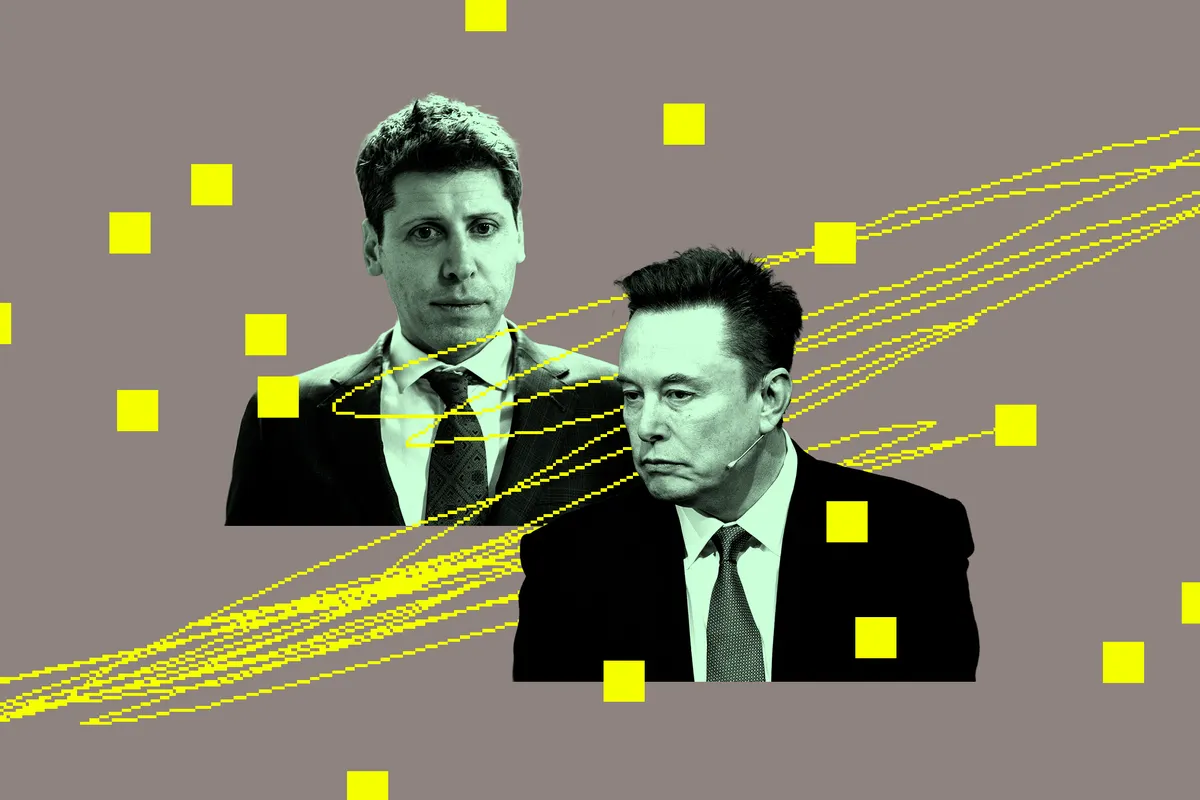
If you've ever wanted a front-row seat to two of tech's biggest egos going head-to-head in an actual courtroom, congratulations - the Musk v. Altman trial is officially delivering the goods. And by goods, we mean a slow drip of court exhibits that reads like the world's most consequential group chat leak.
So what's actually coming out?
According to reporting by The Verge, the evidence being unveiled includes email exchanges, photos, and corporate documents from OpenAI's very earliest days - like, before it even had a name early. The kind of stuff that makes tech historians salivate and lawyers sweat.

A few highlights that are already making waves: Nvidia CEO Jensen Huang - yes, the leather jacket guy currently printing money with GPUs - apparently gifted OpenAI a supercomputer back in the day. A supercomputer. As a gift. Normal Tuesday.
Musk's fingerprints are everywhere
The documents apparently show that Elon Musk wasn't just a bystander in OpenAI's founding - he largely drafted the organization's mission statement and heavily shaped its early structure. So when he now sues the company for drifting from its original nonprofit ideals, he's essentially arguing that the thing he built betrayed his own blueprint. That's either a compelling legal argument or the most expensive "I told you so" in history, depending on your perspective.

What about Altman?
Sam Altman, for his part, apparently appeared to be angling for a stake in the company during those formative early exchanges. The details are still trickling out piece by piece, but the implication is that the current CEO of the most talked-about AI company on the planet had his eye on equity from the jump. Shocking? Not really. Useful in court? Very much potentially yes.
Why this actually matters
Look, it's tempting to treat this as billionaire drama theatre - and honestly, it partly is. But the outcome of this trial could have real implications for how AI companies structure themselves, how they handle the tension between nonprofit missions and profit motives, and whether the people who build these things can later be held accountable when they change course.
The evidence being unsealed isn't just gossip. It's a paper trail through the founding mythology of one of the most influential tech companies alive. And right now, that mythology is being stress-tested in open court, one exhibit at a time.
Grab your popcorn. This one's going to run a while.