
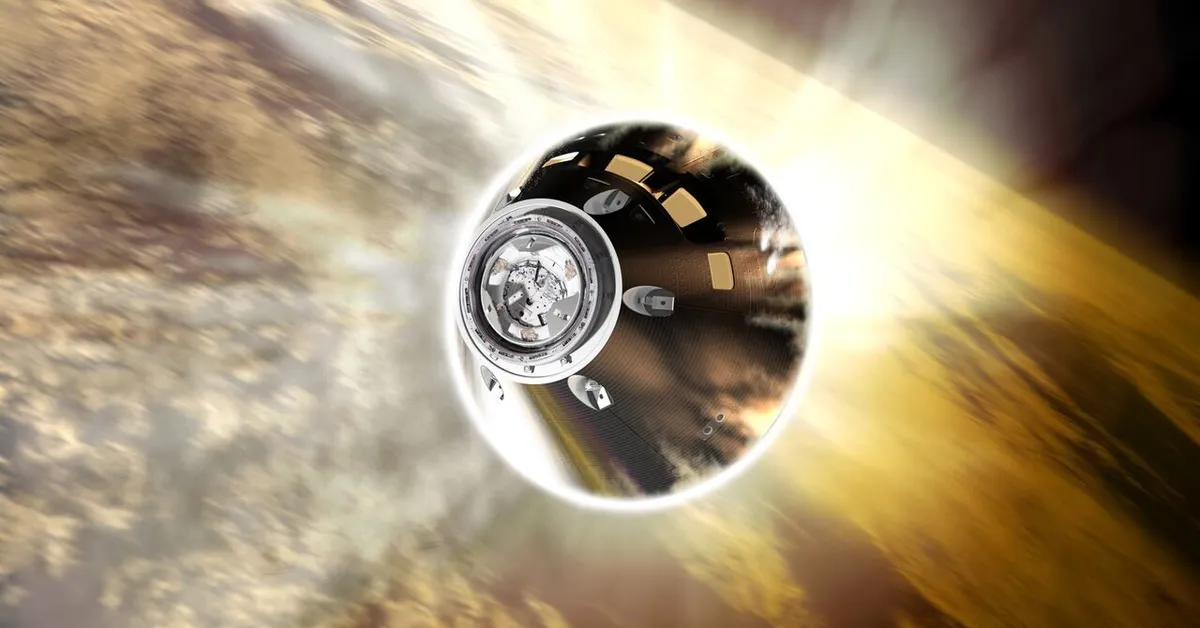
Space travel, it turns out, is mostly about surviving the bit where you come home. And for the crew of Artemis II, 'coming home' means hurtling through Earth's atmosphere at 32 times the speed of sound inside a capsule that is, quite literally, on fire.
According to a report by Wired, the upcoming Artemis II mission - which will send astronauts on a loop around the Moon - carries stakes that go well beyond bragging rights. The reentry phase is so critical that entire space programs have historically been scrapped after things went wrong at this exact stage. So, you know, no biggie.
The most stressful few minutes in human spaceflight
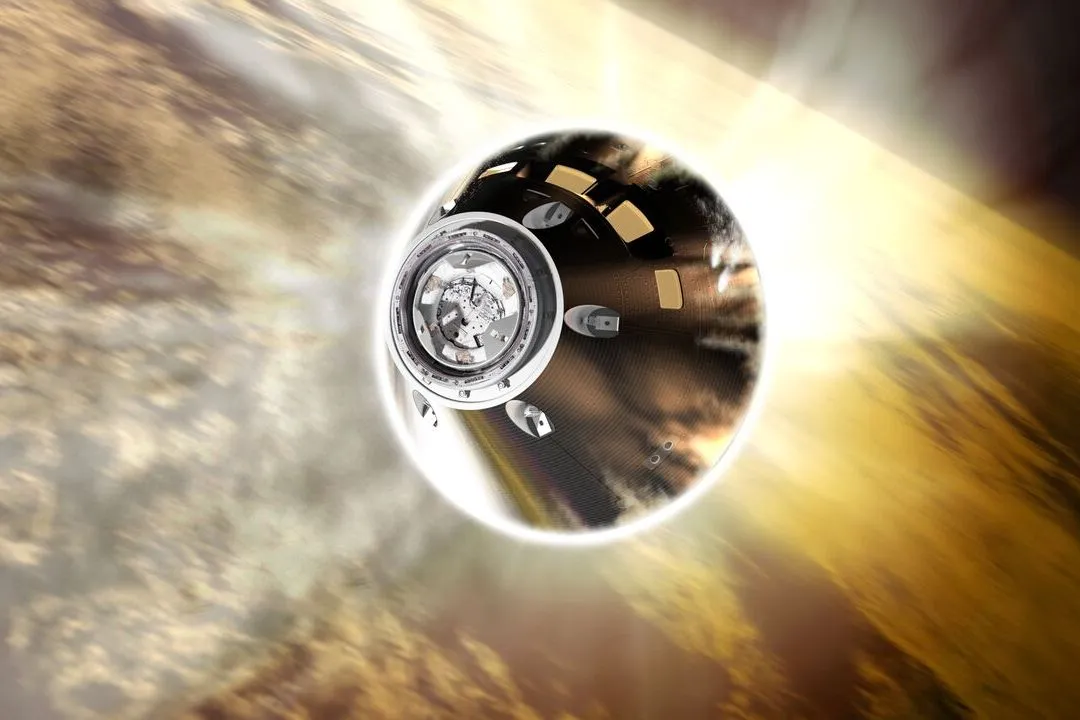
Here's the thing about reentry: you cannot really practice it. You can simulate, you can model, you can run the numbers until your engineers cry into their coffee - but eventually a real capsule carrying real humans has to hit real atmosphere at genuinely unhinged speeds. Mach 32 is not a typo. That is roughly 25,000 miles per hour, which is fast enough that the air in front of the spacecraft cannot get out of the way quickly enough and instead compresses into a plasma fireball.
The Orion capsule's heat shield has to handle all of that. The Artemis I uncrewed mission already tested this once, but the upcoming crewed mission will be the definitive proof of concept. And the program's future is basically riding on it passing that test.
Why reentry is the original villain of space exploration
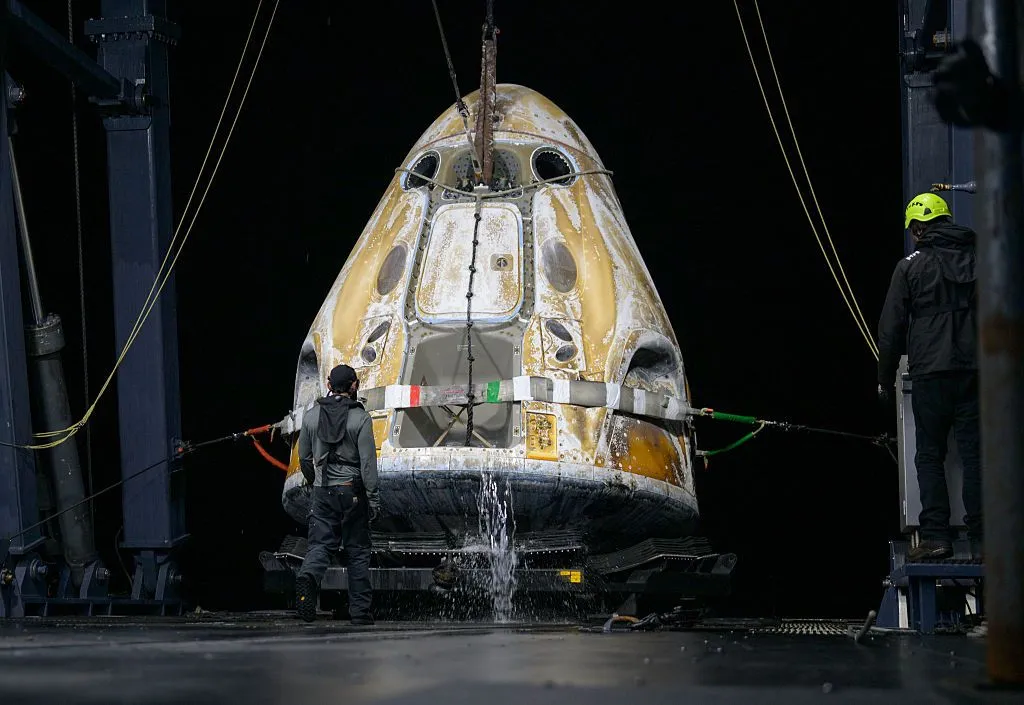
Reentry has always been the phase where optimism goes to die. The thermal loads, the communication blackouts, the parachute sequences, the splashdown precision - it is a choreography of controlled chaos that has to work perfectly, in sequence, after the crew has already been through the physical ordeal of a lunar mission.
If Artemis II sticks the landing (or, more accurately, the splashdown), it clears the path for Artemis III, which aims to actually put boots on the Moon for the first time since 1972. If it does not, the political and financial momentum behind the program could evaporate faster than you can say 'budget reallocation.'

So what happens next?
The four-person Artemis II crew will not land on the Moon - this is a flyby mission designed to validate all the systems needed before committing to a lunar landing. But in terms of drama per kilometer, the final few minutes of their journey home might be the most consequential stretch of the whole trip.
Fifty-plus years after Apollo, we are still holding our breath on reentry. Some things never change.