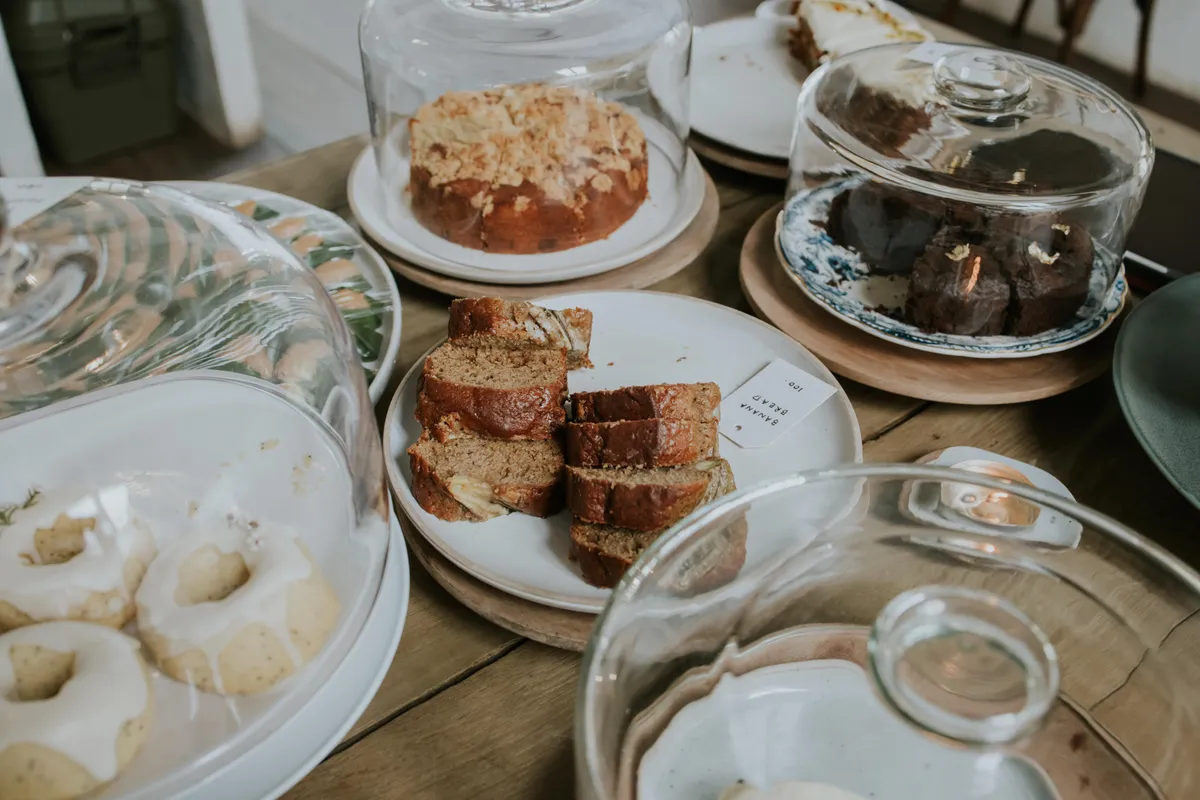
There's a reason some bakeries feel like places you actually want to linger, and others just feel like places to grab a croissant and go. The difference, more often than not, comes down to intention - and the people behind the counter who built something bigger than the menu.
Eater's hospitality newsletter Pre Shift is exploring exactly this idea in a new series on third spaces - those beloved spots that aren't home, aren't work, but somehow feel essential to daily life. Cafes, bars, bakeries, and hybrid spaces all have the potential to become genuine community anchors, but making that happen is a lot harder than it looks.
Why third spaces matter right now
The concept of a third space isn't new, but the hunger for them feels more urgent than ever. As remote work scattered us from offices and social habits shifted, the local bakery or coffee shop quietly became one of the few reliable places where people could simply exist alongside each other. No agenda, no obligation - just community by proximity.
For operators, that's both an opportunity and a real challenge. Creating a space where people feel genuinely welcome takes more than good lighting and oat milk options. It takes consistency, warmth, and a willingness to prioritize the feeling of a place alongside the food coming out of the kitchen.
Building something real in Philadelphia
The Pre Shift series spotlights operators who have cracked this code - or at least gotten close. One of them is a Philadelphia baker whose story anchors the first installment. The piece, written from a first-person perspective, gets into the nuts and bolts of what it actually takes to build a community around a bakery: the daily rhythms, the relationships with regulars, and the unglamorous work of keeping a neighborhood space alive and welcoming.
It's the kind of story that resonates whether you're in the hospitality industry or just someone who has a favorite corner spot you'd be genuinely sad to lose.

What operators can teach the rest of us
There's something worth borrowing from the mindset of people who run these spaces well. They tend to think about the experience of being there, not just the transaction. They notice who's coming in alone. They remember names. They create the conditions for connection without forcing it.
That's a harder skill than it sounds, and it's exactly why the great third spaces feel rare and precious when you find them. The full series from Pre Shift and Spectrum Business is worth a read if you care about where your community gathers - and why some places earn that role while others never quite do.