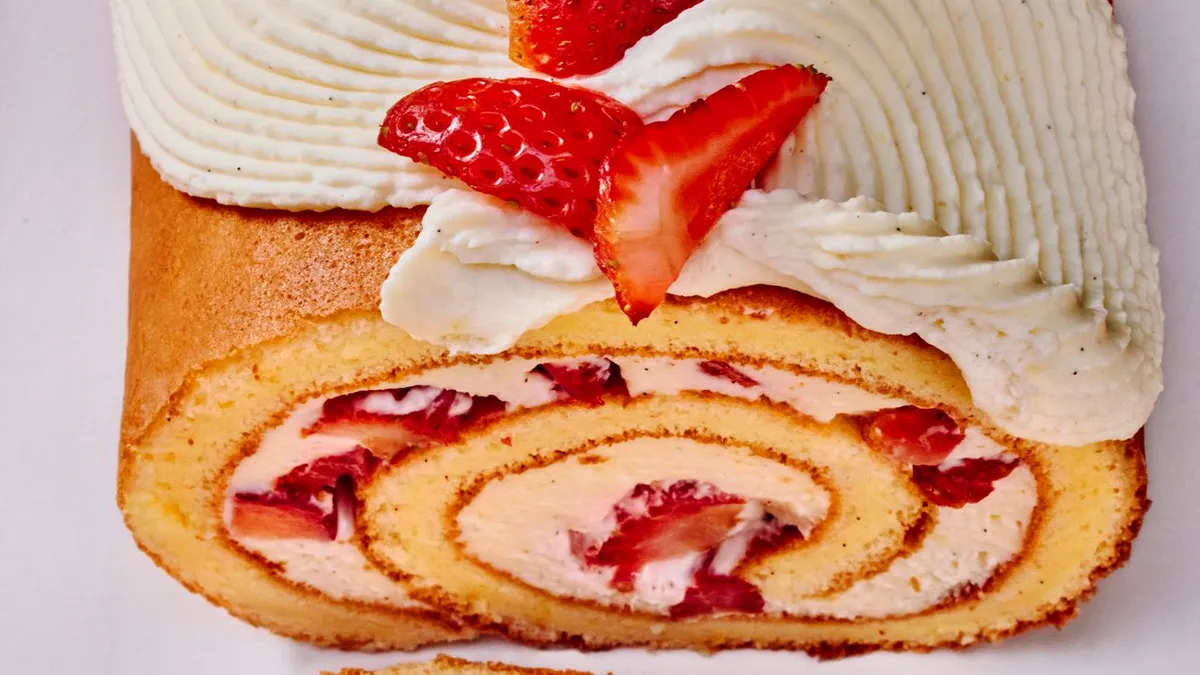
If you've ever watched a beautiful Swiss roll split down the middle the moment you start rolling it, you know the specific heartbreak of a cracked cake. It's one of baking's more frustrating betrayals - you've done everything right, and then the sponge just... breaks. But according to Bon Appétit's Bake Club, the fix might be simpler than you think: swap your standard sponge for a chiffon.
What makes chiffon different
Chiffon cake sits in a sweet spot between a butter cake and an angel food cake. It uses oil instead of butter, which keeps the crumb tender and - crucially - flexible even after baking. That flexibility is exactly what a roll cake needs. A sponge made with butter can firm up and become brittle as it cools, which is when the cracking happens. Oil-based batters stay pliable, making them far more forgiving when you're trying to coax a flat sheet of cake into a tight spiral.
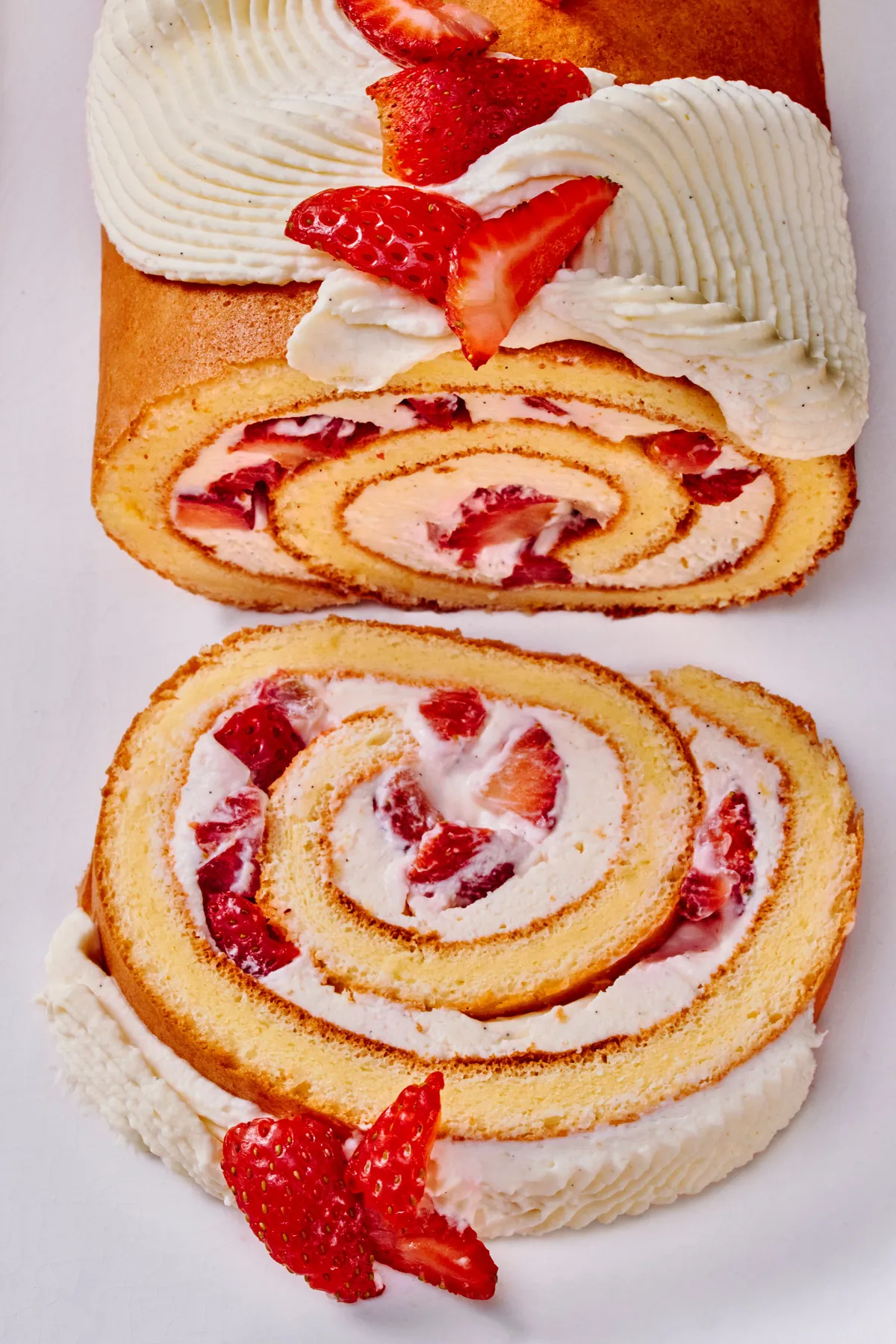
The other secret weapon in chiffon is whipped egg whites, folded into the batter for lift. You get a cake that's airy enough to roll without resistance, but sturdy enough to hold its shape once it's done.
A gateway to a whole world of cakes
Here's what's exciting about mastering chiffon: it doesn't stop at roll cakes. Once you understand how the batter behaves, you can start experimenting with all kinds of layered and shaped cakes that would be too risky with a stiffer sponge. Chiffon is the kind of foundational technique that quietly expands what you're capable of in the kitchen.
It's also genuinely satisfying to work with. The batter comes together relatively quickly, and because the oil keeps things moist, there's more room for error - you're not racing against a butter-based sponge that dries out the moment it overbakes by two minutes.
The roll cake comeback is real
Roll cakes have been having a quiet moment for a few years now, especially with the popularity of Asian-style Swiss rolls - those impossibly soft, barely-sweet spirals filled with whipped cream that you find in Japanese and Taiwanese bakeries. Chiffon is largely why those cakes feel so different from the dense, dry roll cakes some of us grew up with. It's the same logic applied: oil, whipped whites, and a light hand.
If you've been intimidated by roll cakes, or if you've tried and ended up with a cracked mess, chiffon is worth the experiment. The technique is approachable, the results are genuinely impressive, and once it clicks, you'll wonder why you ever bothered with anything else.
Full details and a recipe are available over at Bon Appétit's Bake Club.