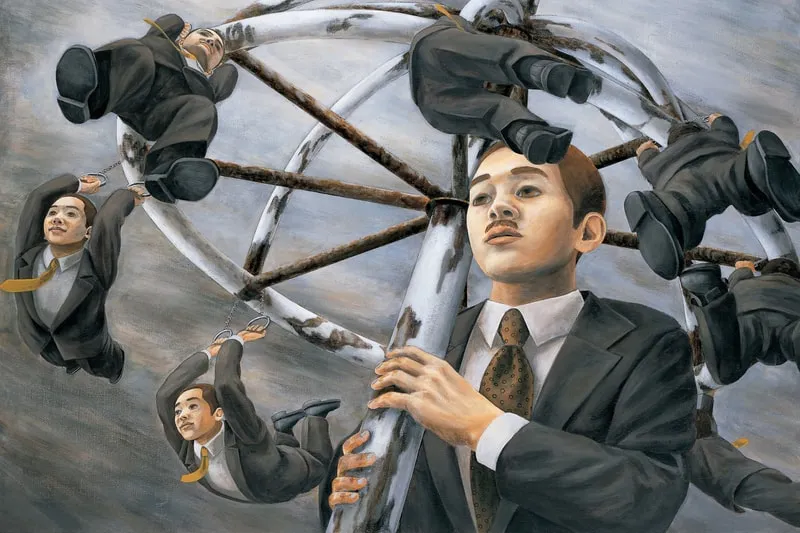
Imagine growing up in a country where the economic dream didn't just slow down - it collapsed. Then imagine turning that collective existential dread into paintings so viscerally strange they make Salvador Dali look like he was having a chill afternoon. That's basically what Tetsuya Ishida did, and Paris is finally getting the full picture.
Who is Tetsuya Ishida and why should you care?
Gagosian Paris opens its first-ever exhibition dedicated to the Japanese painter on June 10, and if you haven't heard of Ishida yet, buckle up. The man came of age during Japan's infamous 'lost decade' - the brutal economic hangover that followed the collapse of the asset bubble in the early 1990s - and his paintings are basically what that era's collective anxiety looks like if you put it through a fever dream blender.
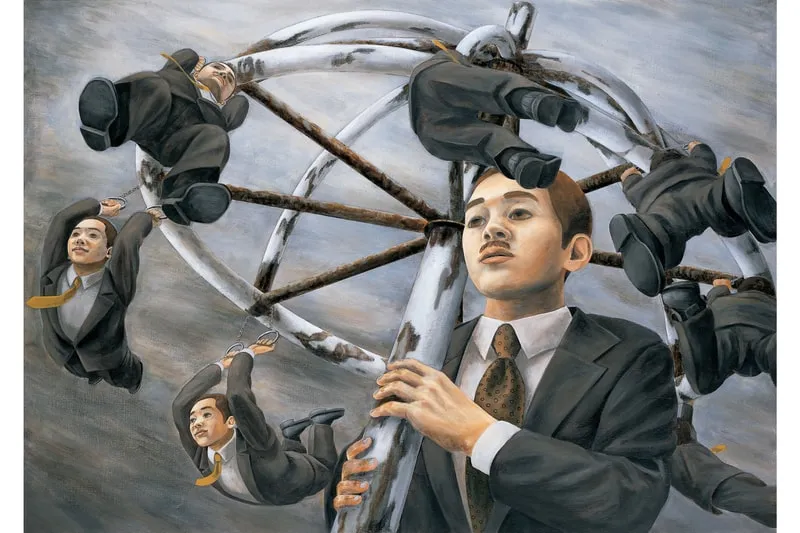
Figures merged with machinery, salarymen dissolved into furniture, human bodies repurposed as consumer objects. It's uncomfortable. It's supposed to be. It's also kind of genius.
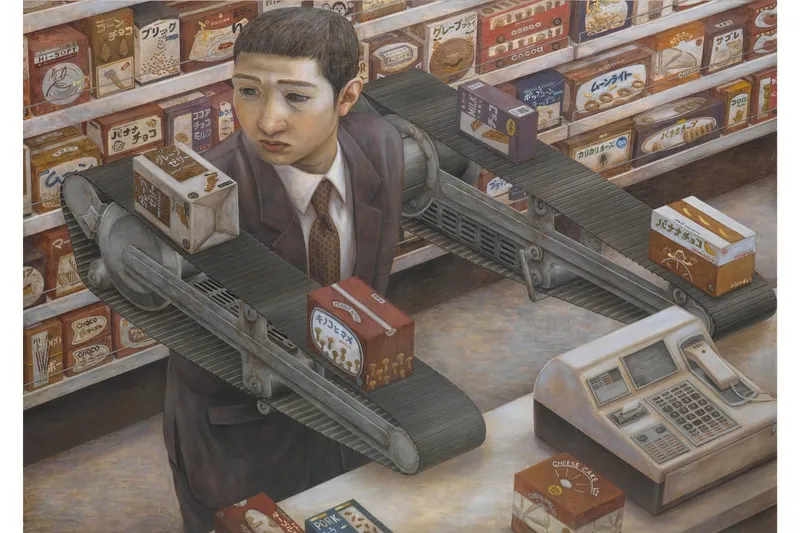
A legacy built after a tragically short life
Here's the genuinely heartbreaking part: Ishida died in 2005 at just 32 years old. He never got to see his work travel the world, never got to watch international audiences reckon with paintings he made about a very specific Japanese cultural wound. And yet, per Hypebeast, his recognition has only grown in the years since - resonating with people far outside Japan who apparently also know a thing or two about economic precarity and the psychological toll of being told a system works when it very clearly doesn't.
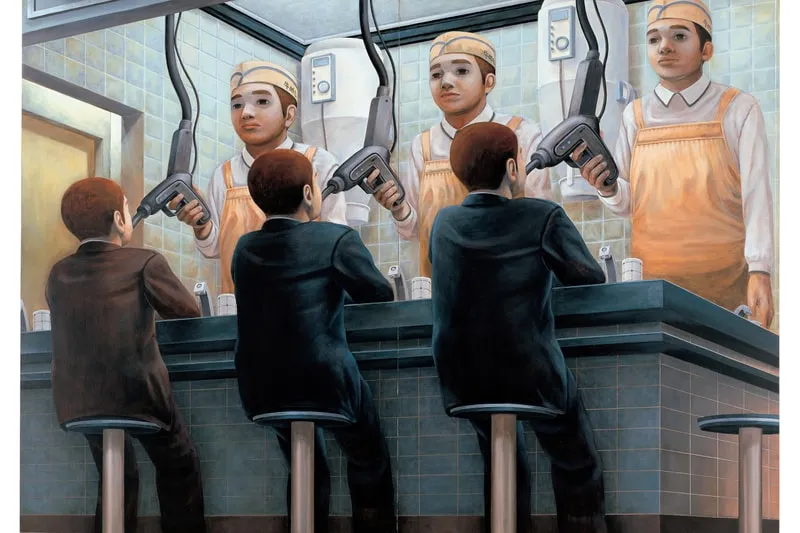
That cross-cultural resonance isn't accidental. The 'lost generation' feeling - graduating into a broken economy, grinding away in jobs that feel dehumanizing, losing your sense of self to systems bigger than you - is not exactly a niche experience anymore.
Why this exhibition is actually perfectly timed
Bringing Ishida to Paris in 2025 is, whether intentionally or not, a pretty sharp move. European youth unemployment, post-pandemic burnout, AI anxiety about job displacement - the psychological architecture of Ishida's work feels startlingly current. His nightmares were Japan-specific but the flavor of them is universal.
If you're anywhere near Paris in June, Gagosian is not usually the kind of gallery that asks you to feel things this acutely. Ishida might change that. Don't say you weren't warned.