In the fog of conflict and diplomacy, sometimes the most important questions are the ones that stop being asked. That appears to be exactly what's happening with Iran's nuclear program right now.
According to reporting from Vox, the US-Iran war and the subsequent ceasefire negotiations have become so focused on Iran's control of the Strait of Hormuz that the original justification for the conflict - Iran's nuclear ambitions - has been largely sidelined. The result is a strange and unsettling uncertainty: nobody seems to know whether Iran can still build a nuclear bomb.
How did we get here?
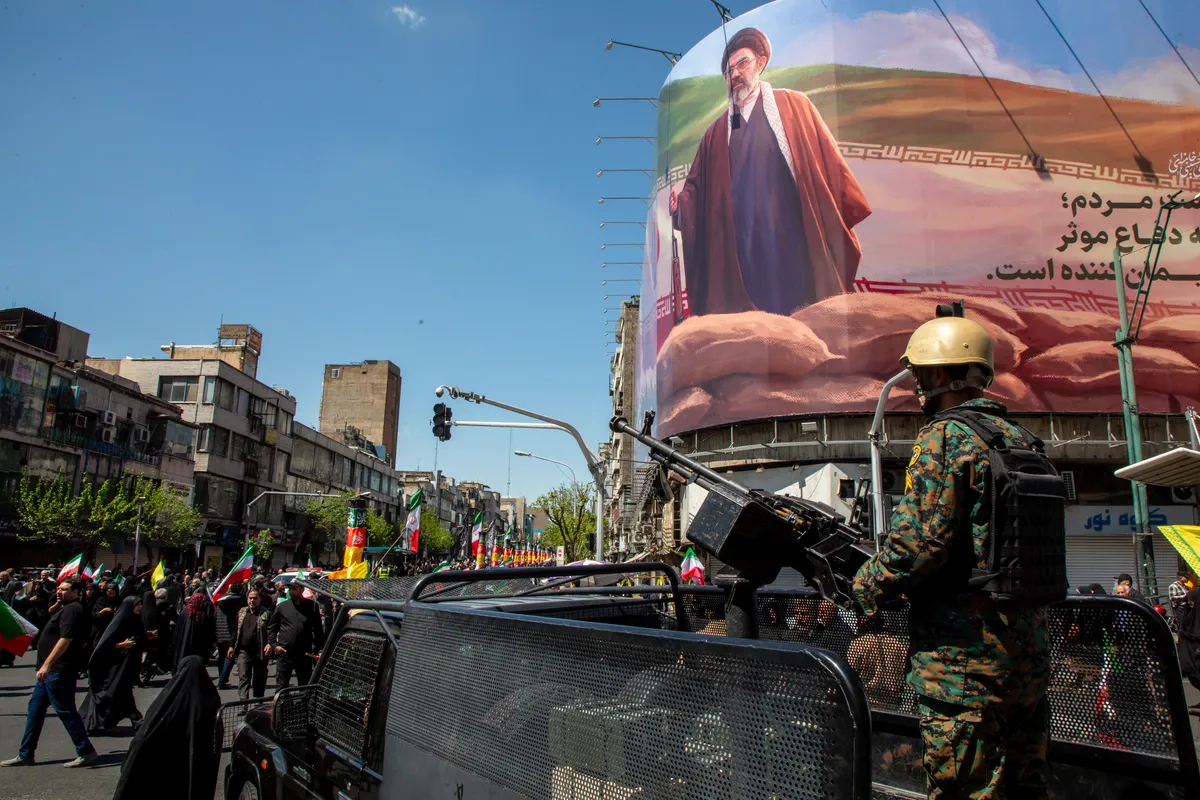
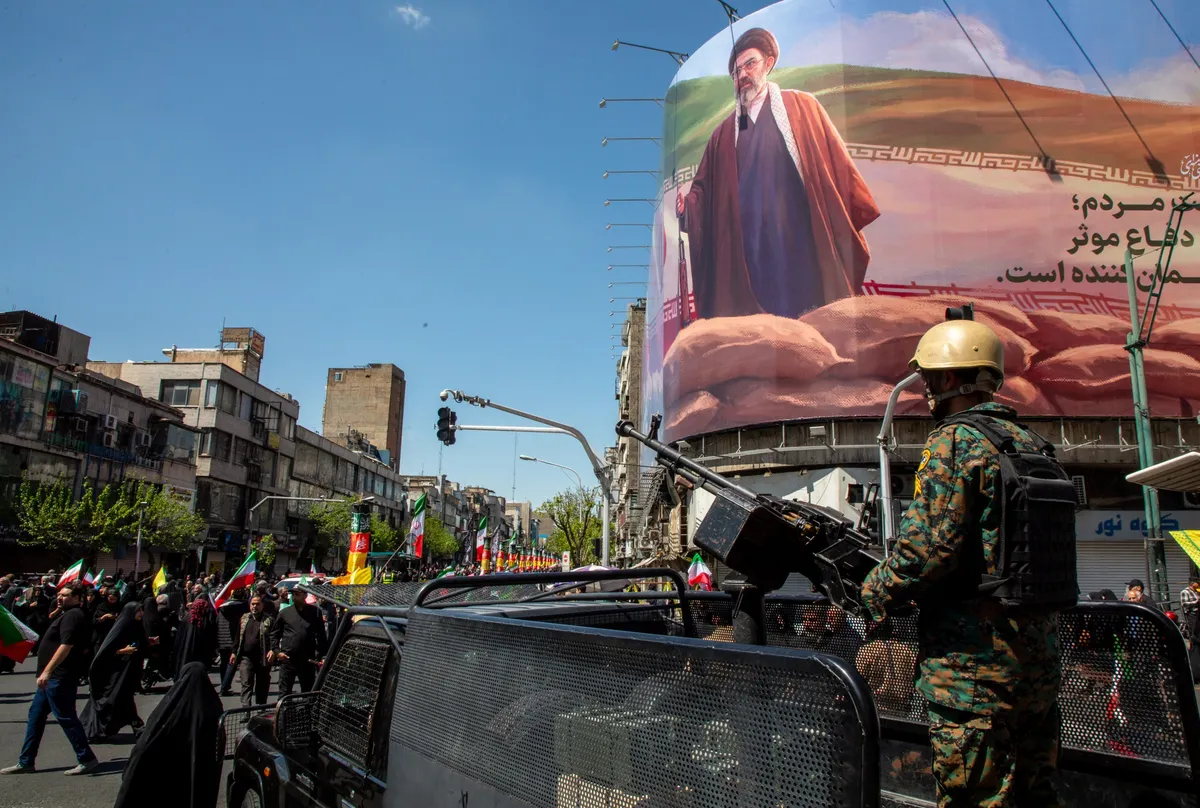
The geopolitical picture has shifted dramatically. With a new Supreme Leader, Mojtaba Khamenei, now in place following the death of his father Ali Khamenei in US-Israeli joint strikes, Iran is navigating both a leadership transition and a ceasefire process simultaneously. A memorial marking the 40th day since the elder Khamenei's death was held in Tehran in early April 2026, underscoring just how much has changed in a short period of time.
Through all of that upheaval, the nuclear file has faded from the headlines. And that matters enormously - not just for regional stability, but for the long-term logic of why this conflict was fought in the first place.
Why the uncertainty is the story
The lack of clear intelligence or public information about Iran's current nuclear capability isn't just a bureaucratic gap. It represents a fundamental problem for any lasting diplomatic resolution. Ceasefire talks built around shipping lanes and regional influence are one thing. But if the underlying nuclear question remains unresolved and unanswered, any peace framework could be sitting on a very shaky foundation.
For everyday people trying to follow what's happening, this is the detail worth holding onto. Big geopolitical crises tend to drift toward whatever is most immediately visible - in this case, the Strait of Hormuz and the global oil supply implications that come with it. Nuclear programs are harder to see, harder to verify, and easier to quietly deprioritize when other fires are burning.

What to watch for
As negotiations continue, pressure from nonproliferation advocates and allied governments will likely push the nuclear question back onto the agenda. Whether Iran's program survived recent strikes intact, was degraded, or was fundamentally disrupted could define the entire strategic outcome of this conflict - regardless of what happens with shipping routes.
It's a reminder that in complex international crises, the headline issue and the most consequential issue aren't always the same thing.