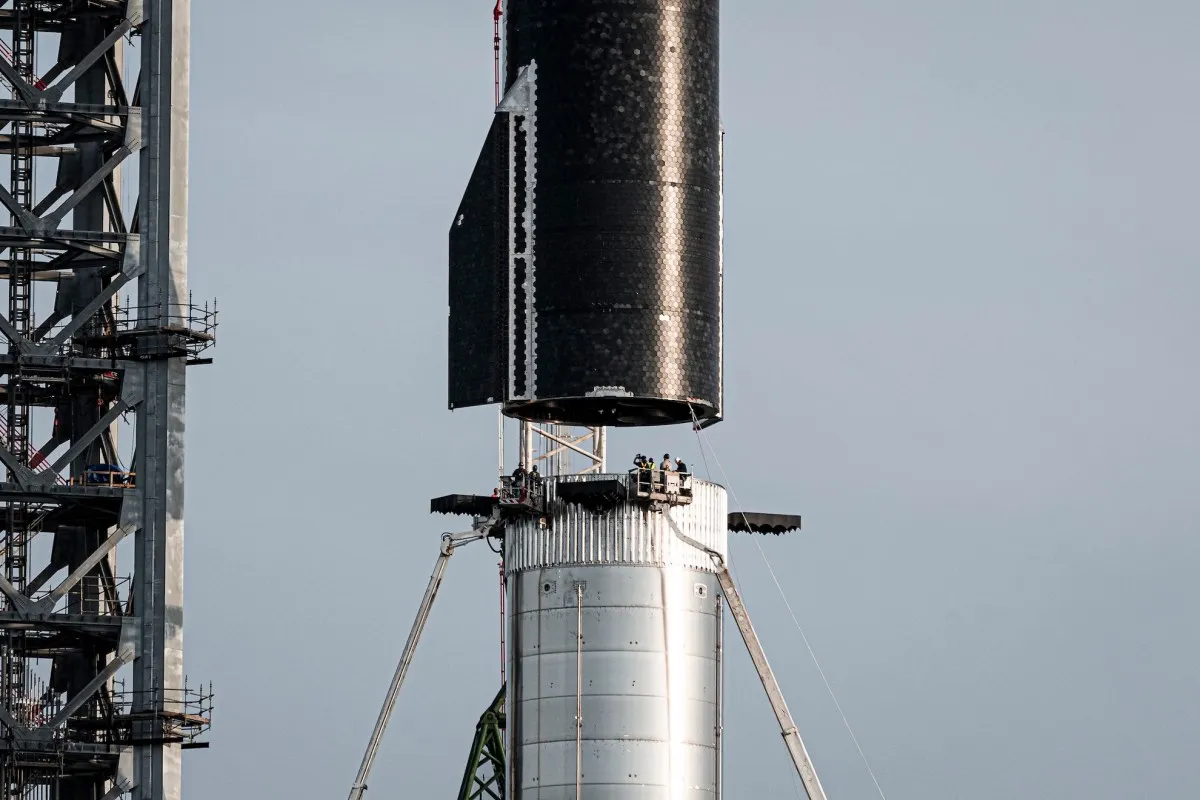
The federal government is investigating a worker death at SpaceX's Starbase facility in Texas, according to a report from TechCrunch - and it's raising fresh concerns about conditions at one of the most closely watched construction and launch sites in the world.
The Occupational Safety and Health Administration (OSHA) has opened a probe into the fatality, which marks the latest in a string of safety issues at the site. What makes this particularly striking is that Starbase already stands out for the wrong reasons: the facility reportedly has a higher injury rate than every other SpaceX location.
Why this matters beyond the headlines
It's easy to get caught up in the spectacle of SpaceX - the ambitious rockets, the countdown timers, the world-changing rhetoric. But behind every launch is a massive, complex workforce doing physically demanding and often dangerous work. When injury rates at one site consistently outpace others run by the same company, that's a signal worth taking seriously.
Worker safety investigations like this one move slowly and often quietly, but the stakes are real. OSHA probes can result in fines, required safety changes, and - in the best cases - genuine improvements in how workers are protected on the job.
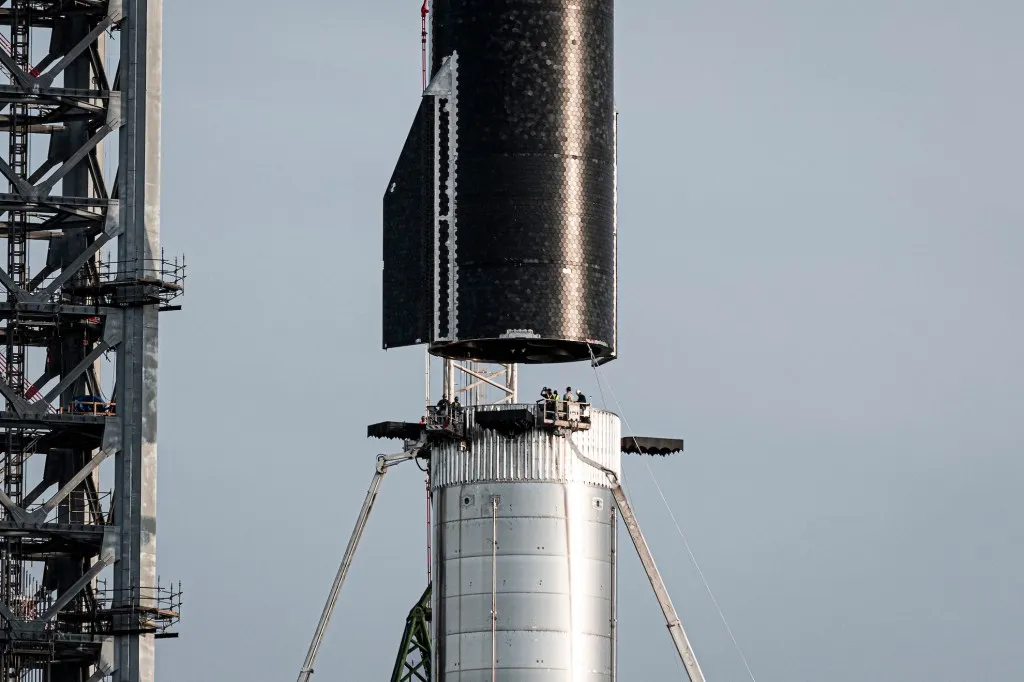
Starbase under a microscope
Starbase, located near Boca Chica, Texas, is SpaceX's primary development and launch site for its Starship rocket program. It's a facility operating at an extraordinary pace, under enormous pressure to hit milestones. That kind of environment, while exciting from a technology standpoint, can create conditions where corners get cut - sometimes with serious consequences.
The combination of rapid construction, heavy machinery, experimental technology, and tight timelines is a challenging mix for any safety officer to manage. The fact that Starbase's injury rate reportedly exceeds all other SpaceX facilities suggests the challenges there are particularly acute.
What happens next
OSHA investigations into workplace fatalities typically involve on-site inspections, interviews with workers and management, and a review of safety records and protocols. The agency has the authority to issue citations and mandate corrective actions if violations are found.
For workers at Starbase - and really anyone employed in fast-moving tech and aerospace environments - this case is a reminder that innovation and worker welfare aren't mutually exclusive. The most impressive rockets in the world mean very little if the people building them aren't coming home safe at the end of the day.