The British Pavilion at the 2027 Venice Architecture Biennale is about to do something genuinely unexpected. Rather than showcasing the usual slate of British architecture studios, the space will be handed over to a cross-cultural collaboration rooted in a deeply meaningful Malaysian tradition - the Festival of Hungry Ghosts.
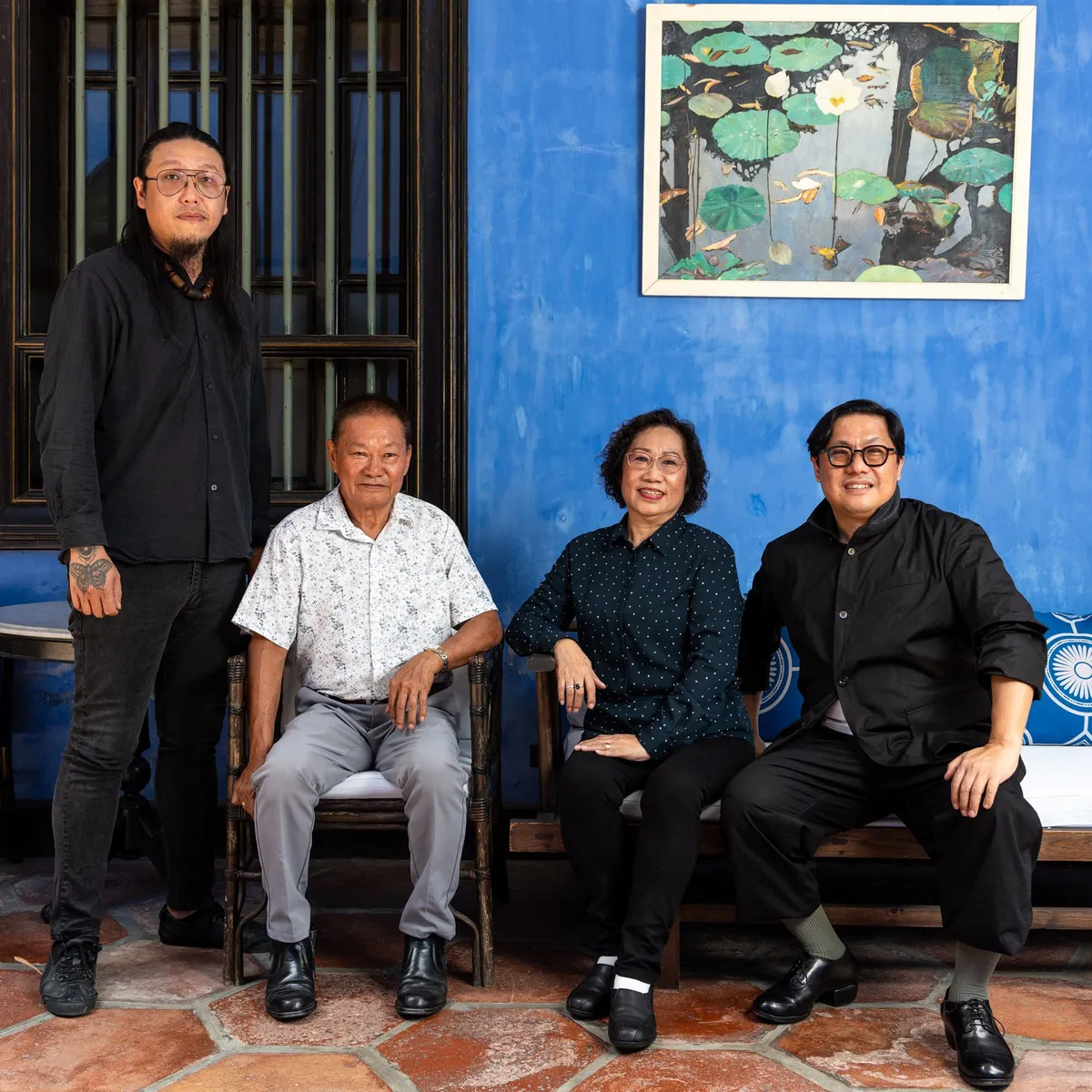
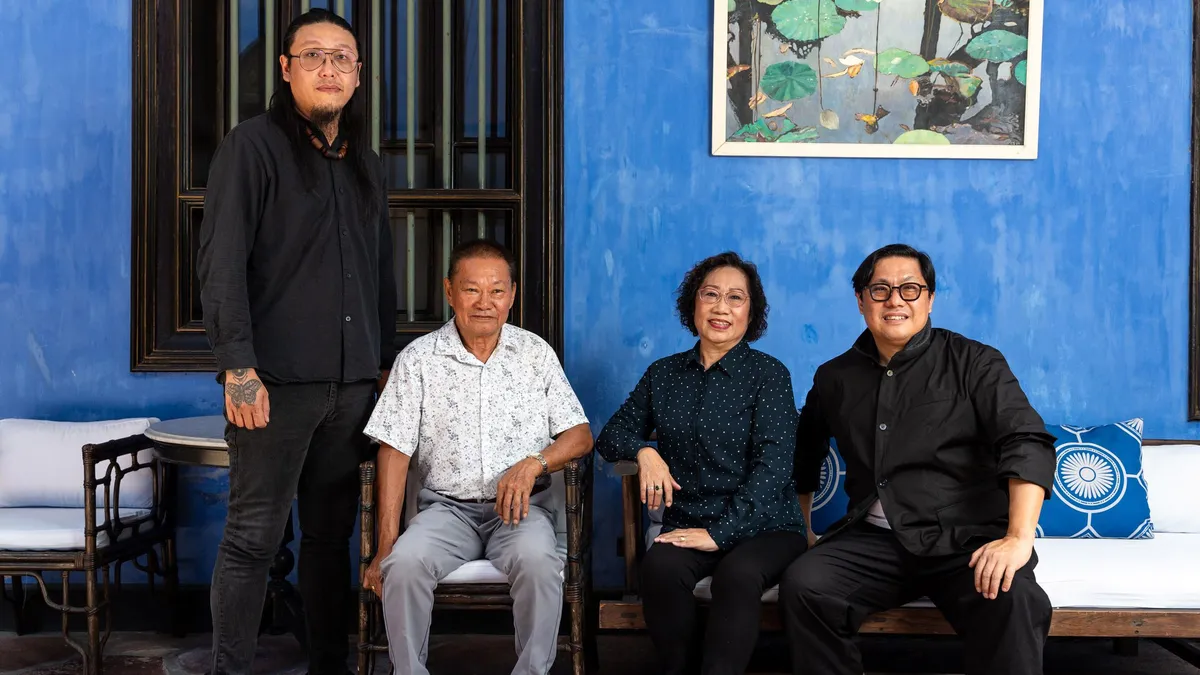
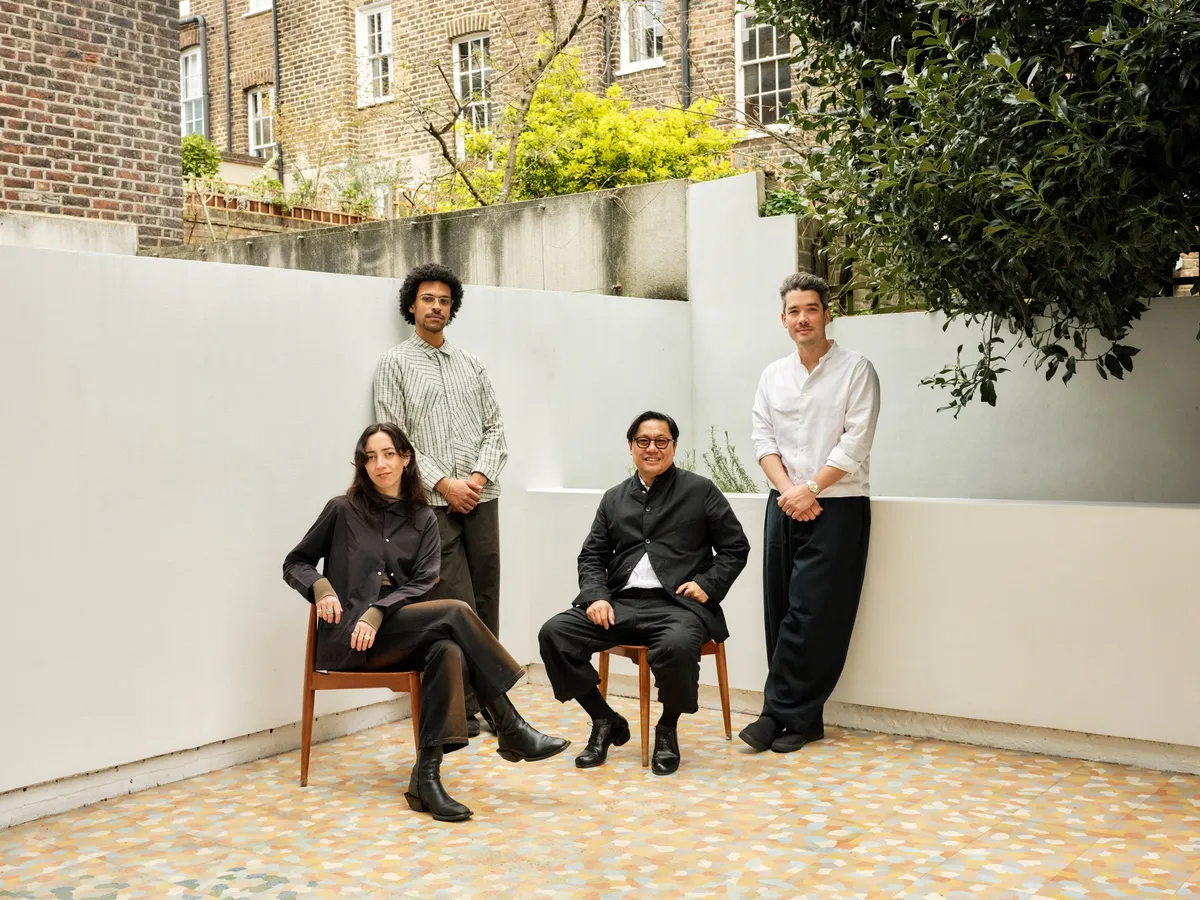
According to Dezeen, the British Council has confirmed that the pavilion will be led by Grymsdyke Farm founding director Guan, working alongside a team of UK-based curators and three Penang-based artisans. The project is framed around 70 years of diplomatic relations between the UK and Malaysia, but the ambition here feels like it reaches far beyond a symbolic anniversary gesture.
Why this matters beyond the architecture world
The Festival of Hungry Ghosts - celebrated across Chinese communities in Malaysia, Singapore, and beyond - marks the seventh lunar month, when it is believed that spirits of the deceased return to the world of the living. It's a tradition rich with ritual, craft, handmade offerings, and communal memory. Bringing that into the context of Venice, one of the most watched events in contemporary architecture and design, is a bold and culturally generous move.
It also points to something shifting in how major institutions are thinking about whose stories get told in prestigious spaces. Venice has historically been a showcase for Western architectural thought. A pavilion rooted in Penang craftsmanship and ancestral tradition feels like a meaningful departure from that default.
Craft at the center
The involvement of Penang-based artisans is particularly significant. Penang has a richly layered cultural heritage - a UNESCO World Heritage Site with deep connections to Chinese, Malay, and British colonial history. Centering the work of local makers rather than big-name studios suggests this pavilion will prioritize material knowledge and lived practice over spectacle.
For anyone who follows architecture, design, or cultural exchange, this is one to watch. The 2027 Biennale is still a couple of years away, but this announcement already sets a compelling tone for what the British Pavilion can be when it looks outward rather than inward.
Sometimes the most interesting design conversations happen at the intersection of two worlds that don't often meet. This feels like one of those moments.