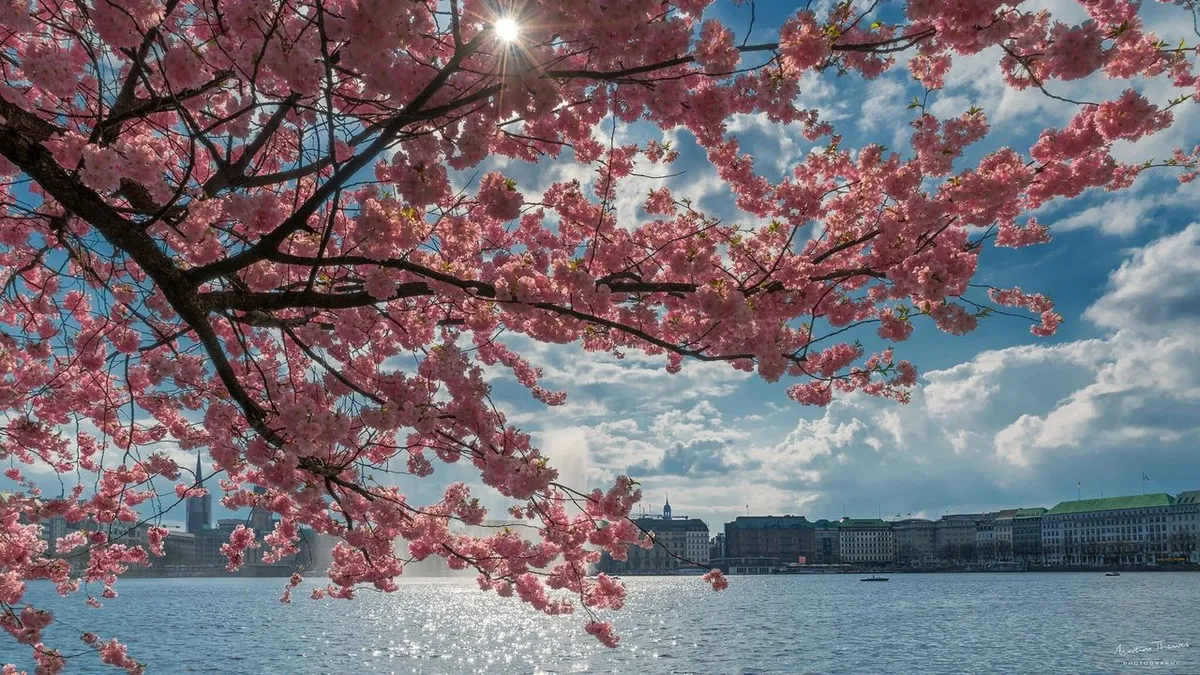
Every spring, the internet floods with the same images: Washington, DC's Tidal Basin, Tokyo's Shinjuku Gyoen, maybe a requisite shot from Brooklyn's Brooklyn Botanic Garden. And look, those places are genuinely beautiful. But if you're the kind of traveler who likes to go where the crowds haven't fully descended yet, there's a whole world of cherry blossom viewing waiting for you.
Architectural Digest recently rounded up ten destinations worth seeking out for their sakura displays - and the list skips the obvious stops entirely. The result is a compelling argument for rethinking your spring travel plans.
Why cherry blossoms feel so special in the first place
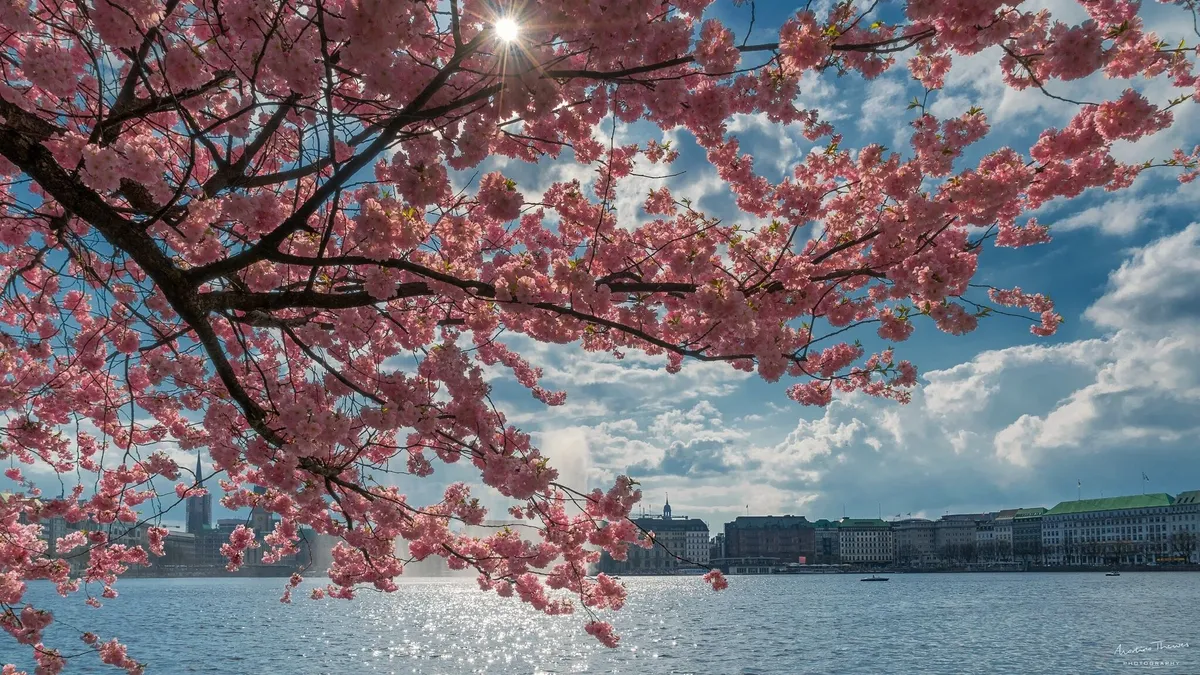
There's something almost unbearably poetic about a bloom that lasts only a week or two. The Japanese concept of mono no aware - the bittersweet awareness of impermanence - is basically built into the experience of watching petals fall. You have to show up at the right moment, or you miss it entirely. That urgency is part of what makes chasing blossoms feel so alive.
And when you do it somewhere unexpected, the magic doubles. You're not competing for a photo spot with a thousand other tourists. You're just... there, in the bloom, in the moment.
Think beyond the obvious
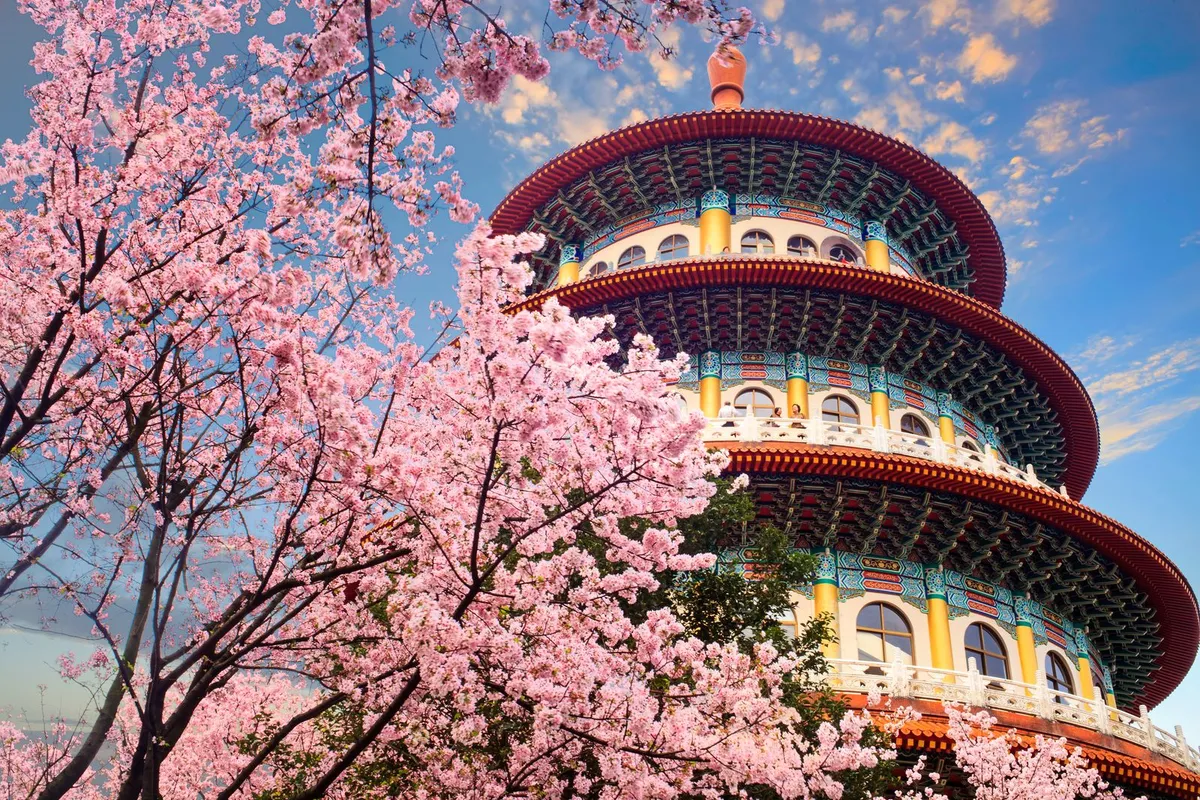
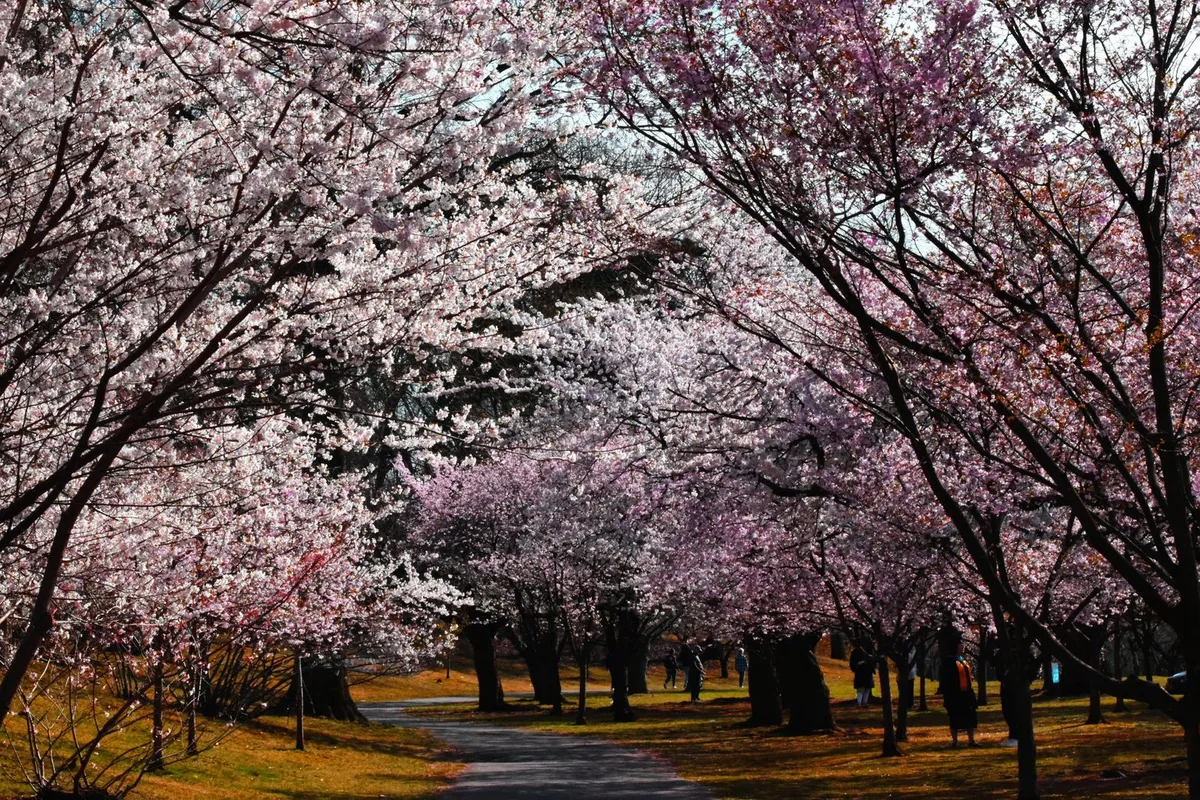
The Architectural Digest guide points to destinations spread across multiple continents, which is a good reminder that cherry trees aren't exclusively a Japanese or East Asian phenomenon. They've been planted in botanical gardens, along city streets, and in public parks all over the world - many of them with their own distinct characters and seasonal windows.
Some of the best viewing experiences happen in cities where cherry blossoms are a beloved local tradition rather than a tourist attraction. That shift in context changes everything about how it feels to be there.
How to plan a blossom trip that actually works
Timing is everything - and notoriously tricky. Peak bloom windows can be as short as four or five days depending on weather conditions that year. A few practical tips worth keeping in mind:
- Check local bloom forecasts closer to your travel date rather than booking around historical averages alone
- Look for destinations in the Southern Hemisphere if you want a spring bloom during autumn in the north
- Shoulder hours - early morning or the hour before sunset - give you softer light and smaller crowds
- Don't overlook the pre-peak stage, when trees are still budding. It's often more photogenic than full bloom
Spring doesn't last long anywhere. But if you're willing to look a little further than the usual suspects, it turns out the whole world is in on the bloom.