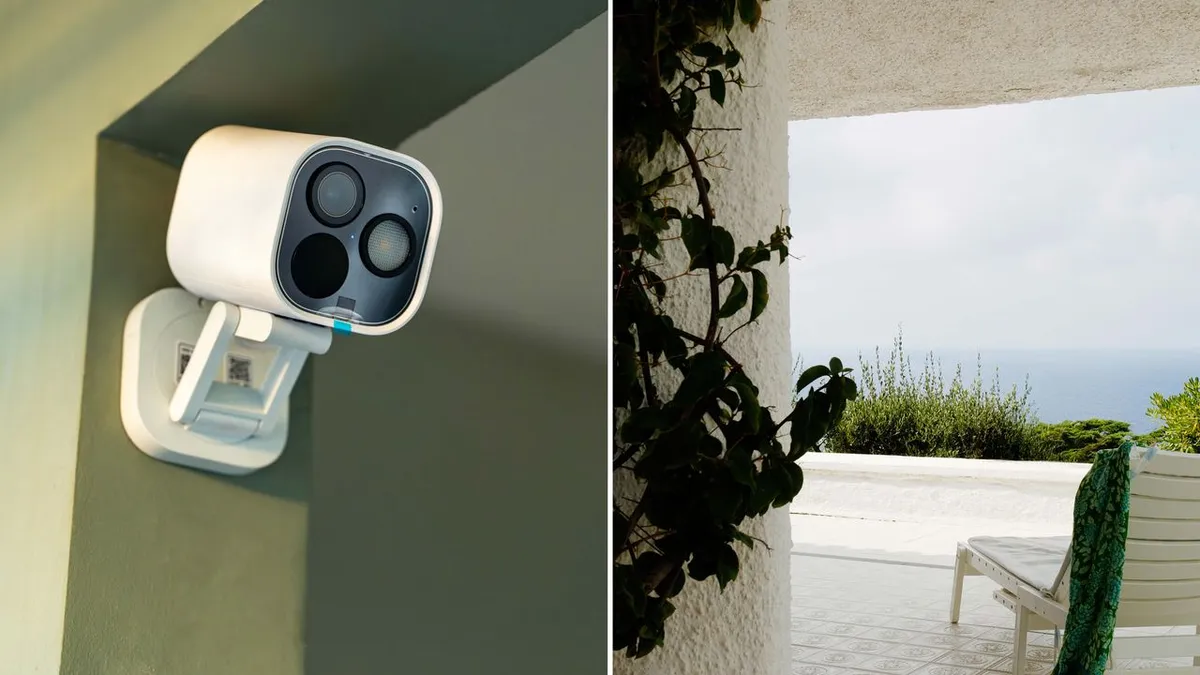
You've checked the reviews, loved the photos, and hit confirm on that dreamy Airbnb. But have you thought about who else might be watching during your stay? It's an uncomfortable question, but one worth asking - because the rules around cameras in short-term rentals are more nuanced than you'd expect.
What the platforms actually say
According to a breakdown by Condé Nast Traveler, each major short-term rental platform handles security camera policies a little differently, and the details matter.
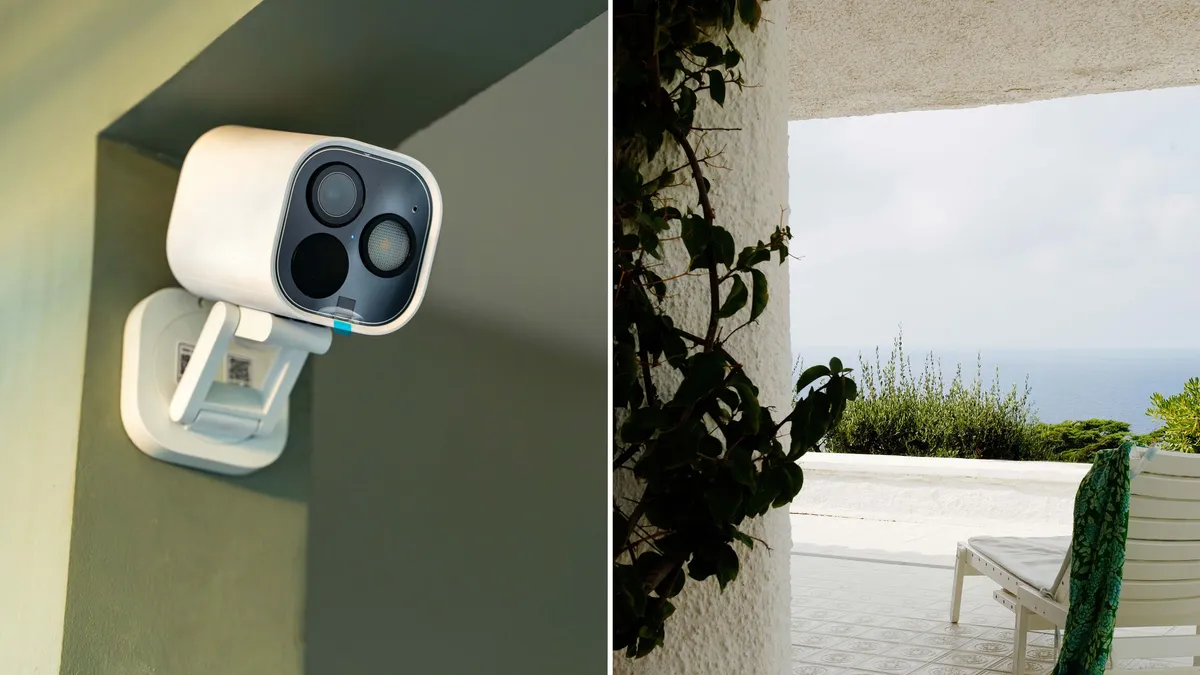
Airbnb made headlines in 2024 when it announced a sweeping ban on indoor security cameras in all listings, full stop. Before that update, hosts were permitted to disclose indoor cameras and use them in common areas. Now, no indoor cameras are allowed at all - a significant shift that puts guest privacy front and center.
Vrbo takes a similar stance, prohibiting cameras in private spaces like bedrooms and bathrooms, and requiring hosts to clearly disclose any outdoor cameras in their listing details. Booking.com also requires disclosure of any surveillance devices, though the specifics can vary depending on the property type and local regulations.
Outdoor cameras are a different story
Here's where it gets a bit more complicated. Cameras placed outside a property - covering a front door, driveway, or entrance - are generally permitted across platforms, as long as they're disclosed upfront. The logic is reasonable: hosts have a legitimate interest in knowing who's coming and going from their property. The key word, though, is disclosed. A camera you don't know about is a very different thing from one that's clearly listed in the property description.
How to protect yourself as a guest
Before you arrive anywhere, it's worth doing a quick scan of the listing for any mention of cameras or recording devices. When you check in, a slow walk around the space with fresh eyes can help - cameras are sometimes hidden in smoke detectors, clocks, or small decorative objects. If something looks off or out of place, trust that instinct.
Most platforms have a reporting mechanism if you discover an undisclosed camera during your stay. Document what you find, report it through the app or site, and check yourself out if you feel unsafe - you're typically entitled to a refund in those circumstances.
The bigger picture
The shift toward stricter camera policies reflects a growing awareness that privacy doesn't stop when you leave home. Travelers are more informed, more vocal, and platforms are responding. Knowing your rights - and the house rules - before you unpack is just good travel sense.