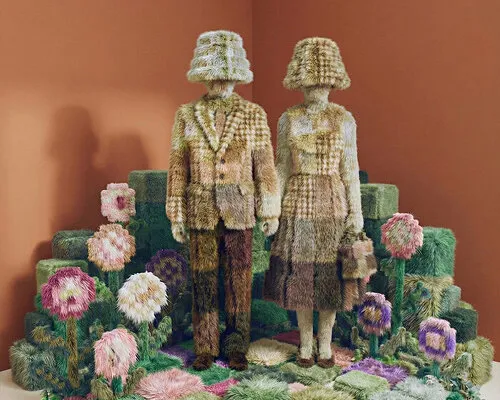
If you thought Milan Design Week was just going to be another parade of Italian minimalism and Scandinavian furniture with suspiciously unpronounceable names, think again. Thailand just showed up with something genuinely worth paying attention to.
The Slow Hand Design 2026 exhibition is making waves at this year's Milan Design Week, putting Thai craftsmanship front and center in a showcase that blends ancient technique with seriously forward-thinking materials. We're talking upcycled craft processes and bio fibers - the kind of stuff that makes sustainability actually look cool instead of just guilty and beige.
So what is 'slow hand design' anyway?
The name alone is a philosophical statement. In a world obsessed with same-day delivery and AI-generated everything, 'slow hand' is basically a two-word manifesto. It's the deliberate, human touch. The kind of craftsmanship that takes time because time is the whole point.
The exhibition, as reported by Designboom, frames this not as nostalgia but as evolution. Thai craft isn't being preserved under glass here - it's being pushed forward, remixed with bio-based materials and contemporary design sensibilities that feel genuinely 2026 rather than a museum gift shop throwback.
Why Milan and why now?
Milan Design Week is where the design world decides what matters next. Getting Thai craft into that conversation isn't just a cultural flex - it's a strategic move that positions Southeast Asian design traditions as relevant contributors to global material culture, not just exotic reference points for Western designers to occasionally borrow from.
The upcycled and bio fiber angle is particularly smart positioning. The design industry is absolutely desperate for alternatives to plastic-heavy, carbon-intensive production, and traditional craft knowledge often holds answers that high-tech labs are still scrambling to rediscover. Turns out your grandmother knew some things.
The bigger picture
What Slow Hand Design 2026 represents is something the design world has been dancing around for years - the idea that 'futuristic' and 'handmade' are not opposites. The future of materials might actually live in techniques refined over centuries, applied with a modern understanding of why they work.
Whether this translates into lasting influence on the global design conversation or becomes a very pretty footnote remains to be seen. But for now, Thailand is in the room where it happens, and the work sounds genuinely compelling.
Your move, Scandinavians.