Something funny is happening on the internet. The more AI floods every corner of it with suspiciously smooth prose, weirdly perfect stock images, and blog posts that somehow say nothing across 800 words, the more people are starting to desperately crave the opposite. Real stuff. Weird stuff. Stuff made by someone who actually gives a damn.
GQ recently put it bluntly: the AI slopocalypse might accidentally be the best thing to happen to genuine creativity in years.
So what even is "slop"?
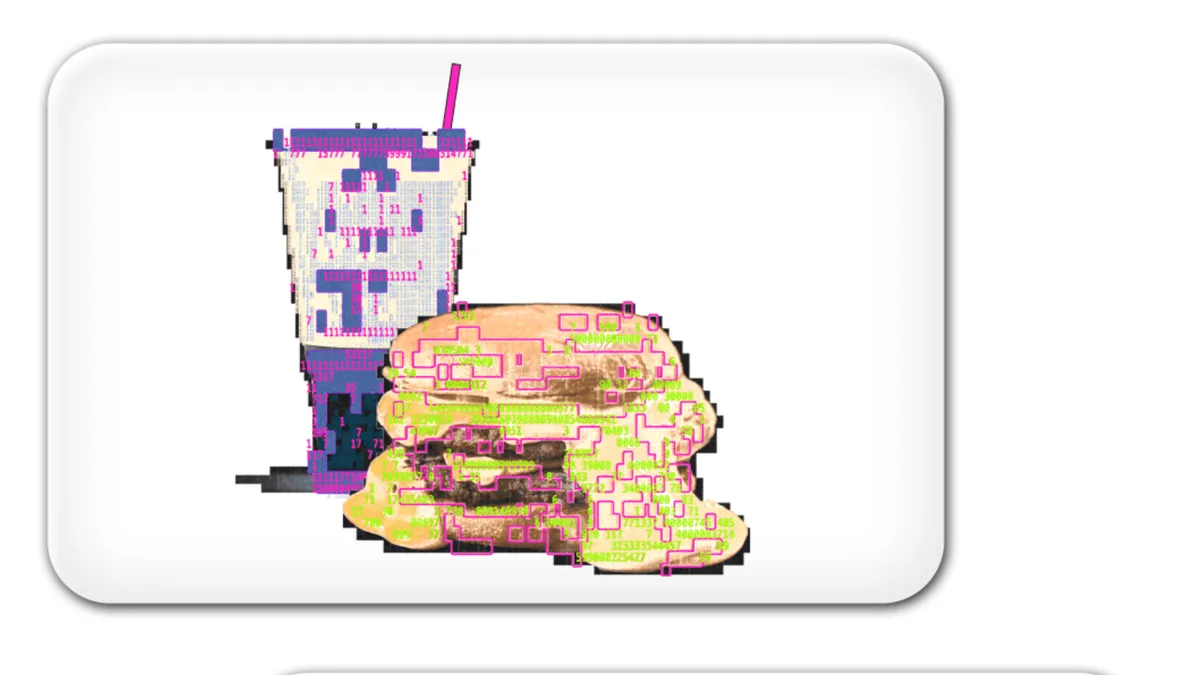
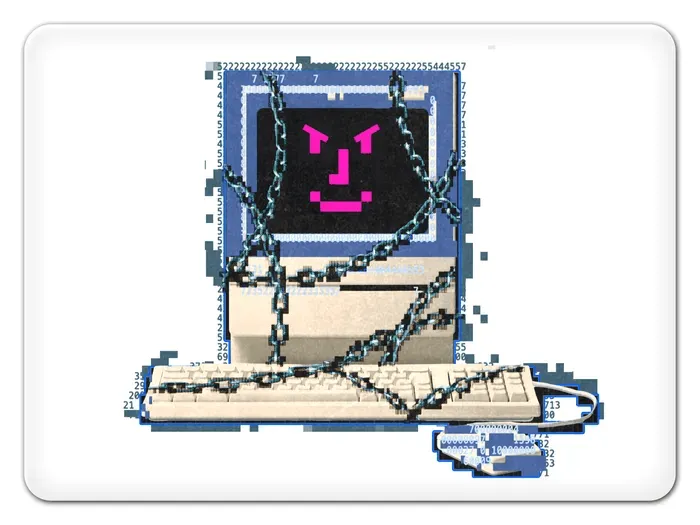
Think of AI slop as the content equivalent of a gas station sushi roll. Technically food. Technically content. But something feels deeply, spiritually wrong about it, and you can't always explain why. It's everywhere now - product descriptions, LinkedIn posts, entire websites, movie posters with hands that have too many fingers. You've seen it. You've felt the hollow ping of recognizing it.
The volume is only going up. Which, paradoxically, is starting to make taste itself a scarce and valuable resource.
The tastemaker economy is back, baby
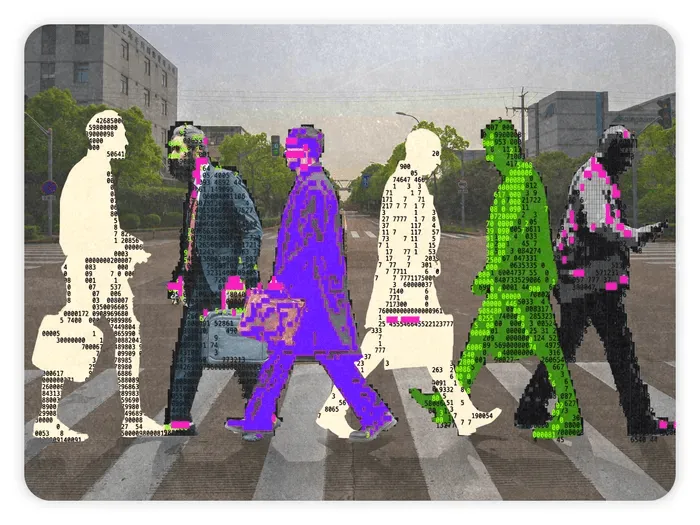
Here's the nerdy economics bit: when something becomes infinitely abundant, the thing that was always next to it becomes rare. When music went digital, live experiences got more valuable. When fast fashion ate the world, vintage and craft had a renaissance. When content becomes infinite and frictionless, curation and genuine creative vision become the premium product.
Being the person who knows the good stuff - who can find it, recognize it, champion it - is no longer just a fun personality trait. It's increasingly a real cultural (and economic) edge. Newsletters, recommendation lists, opinionated reviews, personal taste expressed with conviction: these are the things people are paying attention to right now, precisely because they're human-shaped.
The annoying catch
Of course, there's a wrinkle. AI slop doesn't just make good taste more valuable in the abstract - it also makes it harder to exercise. More noise means more effort to find the signal. Your attention is being farmed harder than ever, and the slop is getting better at disguising itself as something real.
Which means the actual skill right now isn't just having taste. It's being able to articulate it clearly enough that other people can use it as a compass. Recommending, critiquing, curating with a genuine point of view - that's the thing no language model can actually replicate, no matter how fluently it pretends otherwise.
So maybe dust off your Letterboxd. Start that Substack. Tell someone why that album matters. The slopocalypse is here, and apparently the resistance wears very good shoes and has very strong opinions about it.