You know that moment at a loud restaurant when someone says something and you just nod along, completely lost, hoping it wasn't a question? Or when your colleague mumbles through a presentation and you spend 40 minutes constructing meaning from context clues like some kind of corporate archaeologist? Well, turns out technology finally has your back.
Live-captioning smart glasses - yes, actual glasses that display real-time subtitles of spoken conversations - are now a real, tested, purchasable thing. WIRED put the best options of 2026 through their paces, and the verdict is pretty clear: we are living in a mild but genuinely useful sci-fi timeline.
Wait, so what exactly are we talking about?
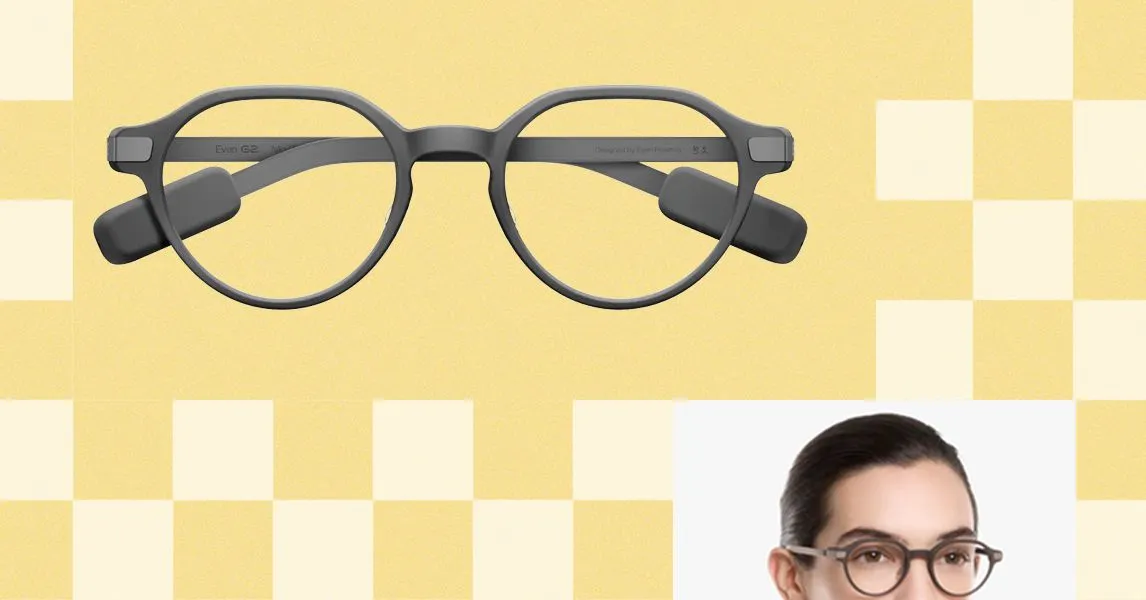
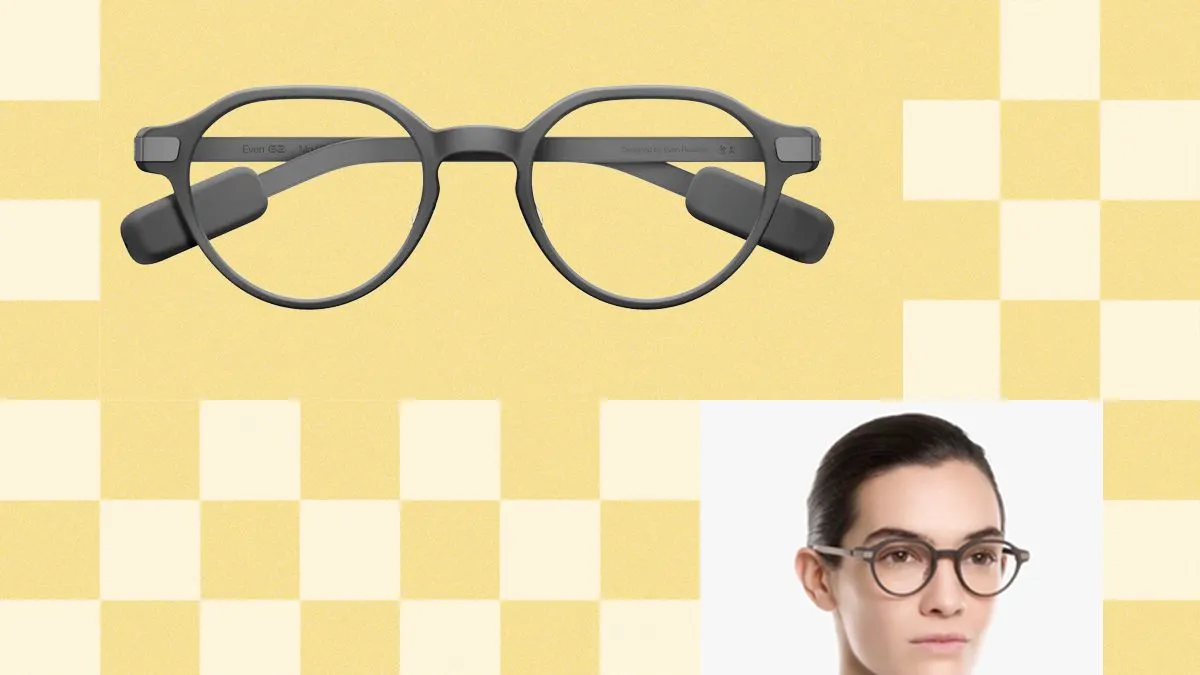
These are wearable glasses equipped with microphones and tiny displays that transcribe speech as it happens, floating the text in your field of vision. Think of it as closed captioning for existence itself. Originally developed with the deaf and hard-of-hearing community in mind, the technology has quietly leveled up to the point where it's fast enough, accurate enough, and subtle enough to actually wear in public without looking like you escaped from a prototype lab.
Why this actually matters
Here's the thing - this isn't just a novelty gadget for tech enthusiasts to flex at meetups. For the roughly 1.5 billion people worldwide with some degree of hearing loss, real-time captioning in everyday life is a genuine accessibility game changer. No more relying entirely on lip reading in bad lighting. No more exhausting mental effort just to follow a basic conversation. Just... reading what people say, in real time, on your face.
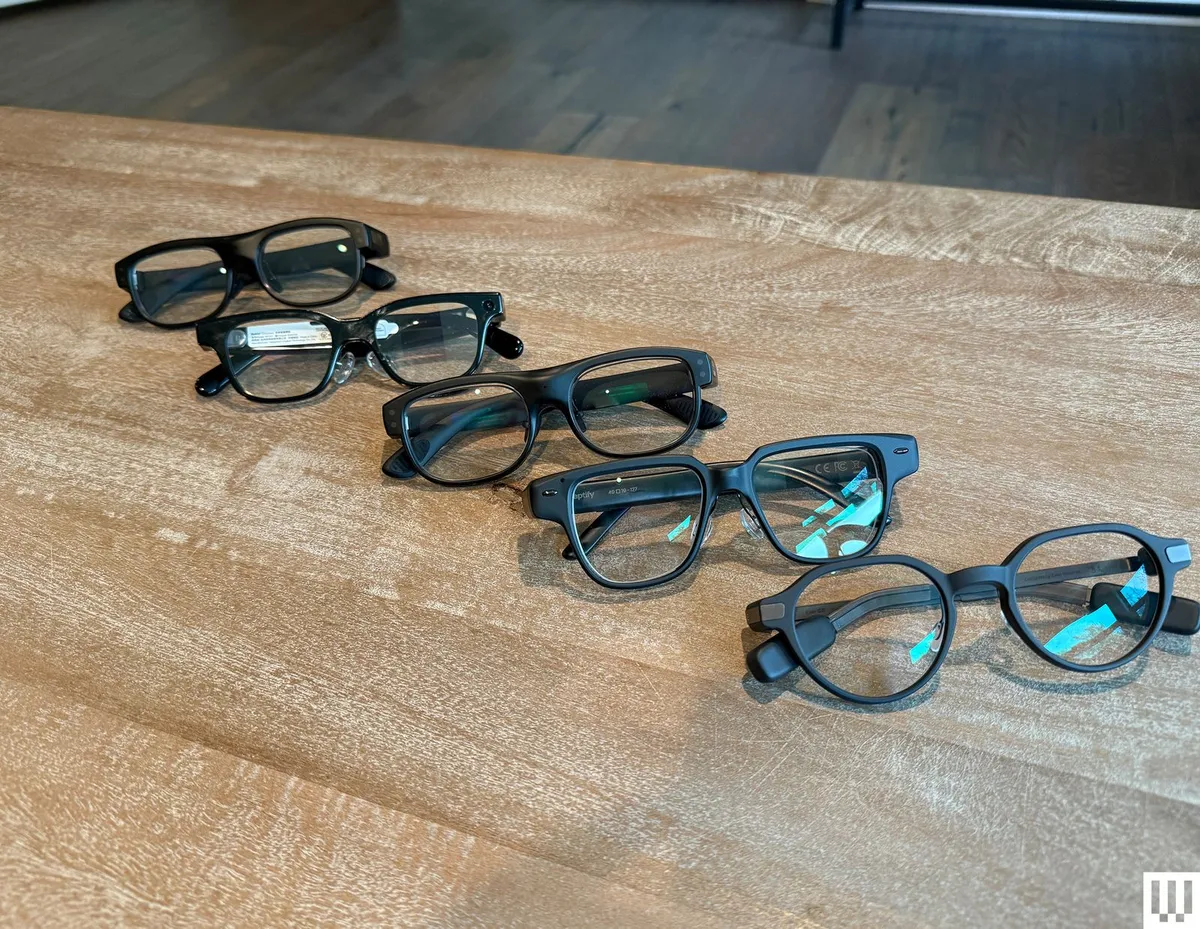
But even beyond accessibility, think about the use cases. Loud concerts. Noisy kitchens. Terrible phone calls. International travel. That one coworker who insists on talking while facing their monitor. The applications are honestly kind of endless.
The catch (there's always a catch)
Battery life, processing speed, accuracy in heavy accents or background noise, and the question of whether you want to look like you're wearing a data center on your nose - these are all real considerations. Not every pair tested by WIRED aced every category. Some are better for one-on-one chats, others handle group settings more gracefully. It's a spectrum, which means shopping smart actually matters here.
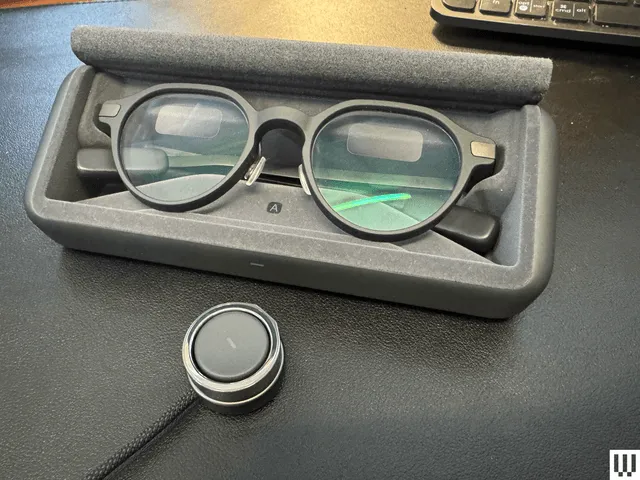
The full breakdown of which glasses won, which ones stumbled, and which ones are worth your actual money is over at WIRED's tested guide - and if you or someone you know has ever struggled to follow a conversation, it's genuinely worth a read.
The future is subtitled. And honestly? About time.