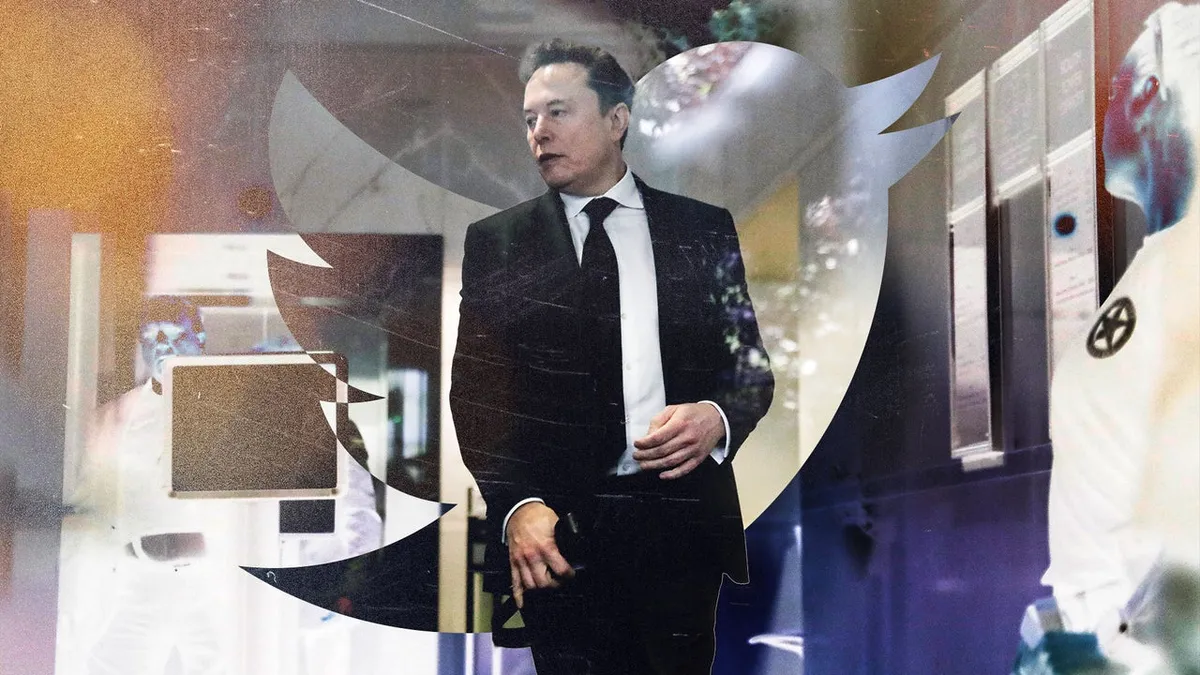
When SpaceX dropped its S-1 prospectus with the SEC, the move was supposed to be a hype machine for humanity's interplanetary future. Cities on the moon! Mars colonies! Space Exploration Technologies Corp. (yes, that's the real name, very supervillain of them) pitching investors on the boldest vision in corporate history.
What nobody expected was that buried inside this glossy rocket-fuel-scented document would be one of the most detailed, clinical, and quietly devastating post-mortems of Twitter ever put to paper. Per reporting by Fast Company, the prospectus doubles as an accidental autopsy of what was once the internet's favorite hellsite.
A filing, a funeral
The timing is almost poetic. SpaceX files to go public and simultaneously hands analysts a paper trail documenting the spectacular unraveling of the platform Musk bought for $44 billion and then systematically rebranded, restructured, and reportedly ran into the ground faster than a Falcon 9 in a bad mood.
The prospectus, as a legal document, has to be honest in ways that a CEO tweet simply does not. That's the beautiful, brutal irony here. The same regulatory framework designed to protect investors ends up being the most transparent accounting of what went wrong at X - a level of candor you'd never get from a post on the platform itself.
Why this actually matters
Look, SpaceX going public is legitimately enormous news. The company has reshaped the aerospace industry, made rocket reusability boring (in the best way), and is the backbone of Starlink's global internet ambitions. Investors have every reason to care about this filing on its own merits.
But the Twitter angle is what makes this document weirdly riveting reading for anyone who watched the 2022 acquisition circus play out in real time. It connects two of the biggest business stories of the decade into one SEC filing, which is not a sentence anyone expected to write.
There's something almost Shakespearean about it. A man files paperwork to launch one empire into the financial stratosphere and, in doing so, accidentally leaves a timestamp on the ruins of another.
The bottom line
SpaceX wants your money and your belief in a multiplanetary future. That pitch may well work - the company's actual track record in rocketry is genuinely remarkable. But next time someone asks what really happened to Twitter, you might just hand them a prospectus and let the SEC-mandated honesty do the talking.